

More than one million young people in the UK are now officially classified as "NEET", according to recent figures, raising fresh concerns about opportunities available to the country's younger generation.
NEET stands for "Not in Education, Employment or Training" and is used to describe people who are currently not studying, working or enrolled in any form of recognised training programme. While the term has existed for decades, the latest figures suggest the number of young people falling into this category has climbed to one of the highest levels seen in recent years.
Experts say there is no single explanation behind the increase. Instead, many point to a combination of factors that have made it increasingly difficult for some young people to navigate education, employment and training opportunities.
The rising cost of living continues to place pressure on households across the country, while ongoing mental health challenges have also been highlighted as a significant factor affecting young people. At the same time, competitive job markets, reduced entry-level opportunities in some sectors and regional inequalities have left many feeling disconnected from traditional pathways into work.
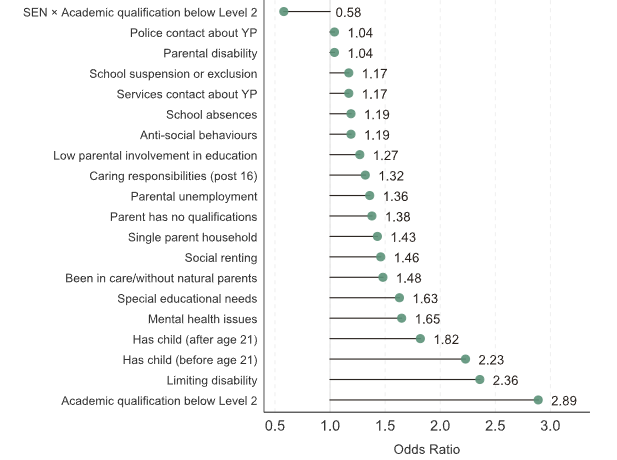
For some, the issue is not a lack of ambition but a lack of access. Young people have increasingly spoken about difficulties finding jobs that offer meaningful progression, affordable training opportunities or routes into industries they want to work in. Others have struggled to re-engage with education after experiencing setbacks during their studies.
While being classed as NEET does not determine a person's future, experts warn that extended periods outside of education, employment or training can make it harder to access opportunities later on. Research has also suggested that long-term disengagement can impact confidence, earning potential and career progression.
The milestone of more than one million young people being classified as NEET has prompted renewed debate around what support systems are needed to help young people succeed. Discussions have centred on improving access to apprenticeships, strengthening mental health support, creating more entry-level jobs and ensuring young people have clearer pathways into employment and training.
As the numbers continue to rise, many are asking whether enough is being done to support the next generation and remove the barriers preventing young people from reaching their full potential.
.png)


.jpeg)
.jpeg)
.jpeg)
.jpeg)
.svg)
.svg)
.svg)