

The UK government has scaled back a key part of its proposed digital identity plans, confirming the scheme will no longer require people to use a digital ID to prove their right to work, and allowing alternative forms of identification such as passports or e-visas to be used instead.
When the digital ID initiative was first unveiled by the prime minister last year, it was billed as a tool to strengthen border security and combat illegal working by making it compulsory to hold a digital identity for employment checks.
At the time of the announcement in September, Sir Keir Starmer said:
“Let me spell it out, you will not be able to work in the United Kingdom if you do not have digital ID.”
He framed the move as a fair and pragmatic response to public concerns about illegal migration.
.jpeg)
However, ministers now say the mandatory requirement has been dropped ahead of a full public consultation on how the system will function, and that people will be free to choose whether to use a digital ID when it is introduced, currently expected by 2029. A government spokesperson said the focus remains on enforcing digital right-to-work checks, but confirmed that traditional documentation such as passports will be valid for verification, while insisting details of the new scheme will be set out following the consultation.
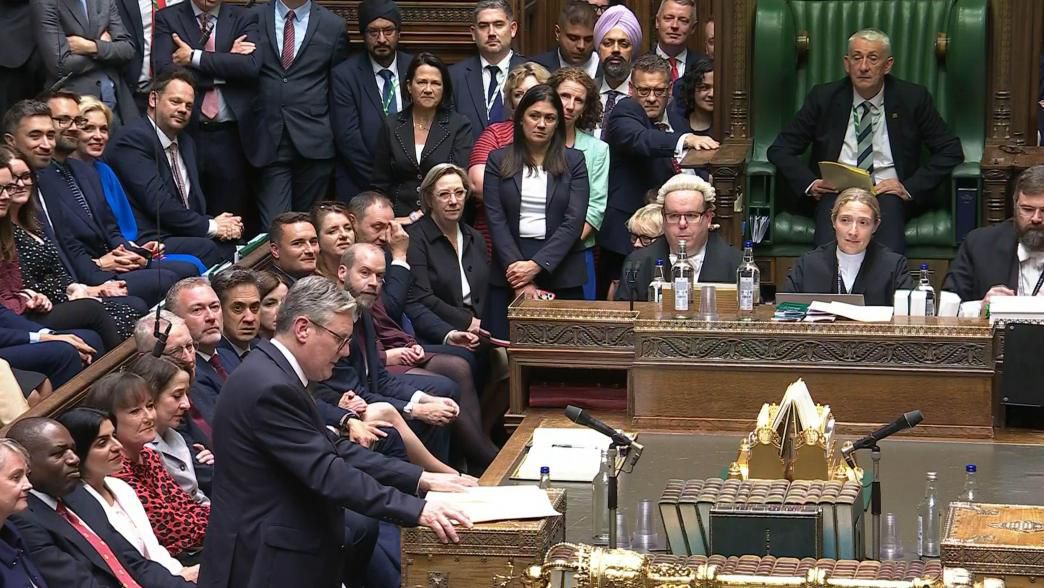
The opposition has seized on the reversal, with the Conservative Party describing it as “yet another humiliating U-turn from the government,” and Labour critics warning that the original proposal was flawed and would have cost significant sums without guaranteeing public trust or uptake. Liberal Democrat figures have also been critical of the approach, arguing that the policy was unclear from the outset and that the government now needs to demonstrate how the funds initially earmarked for the compulsory scheme will be repurposed for public services such as the NHS and policing.
Despite the rollback, ministers emphasise the government’s commitment to modernising identity verification and streamlining public services, stating that digital ID will still play a role in improving access to services and reducing fraud, even if it is no longer mandatory for employment checks.

Critics of the original scheme have welcomed the shift, saying it responds to widespread public scepticism about compulsory digital identity systems, including concerns about privacy and state surveillance that saw support for the policy fall sharply in recent months.
The policy change represents a significant recalibration of the government’s digital ID plans and is likely to prompt further debate as the public consultation on the broader identity verification system gets underway, with many watching closely to see how the proposal evolves.
.png)





.png)
.svg)
.svg)
.svg)