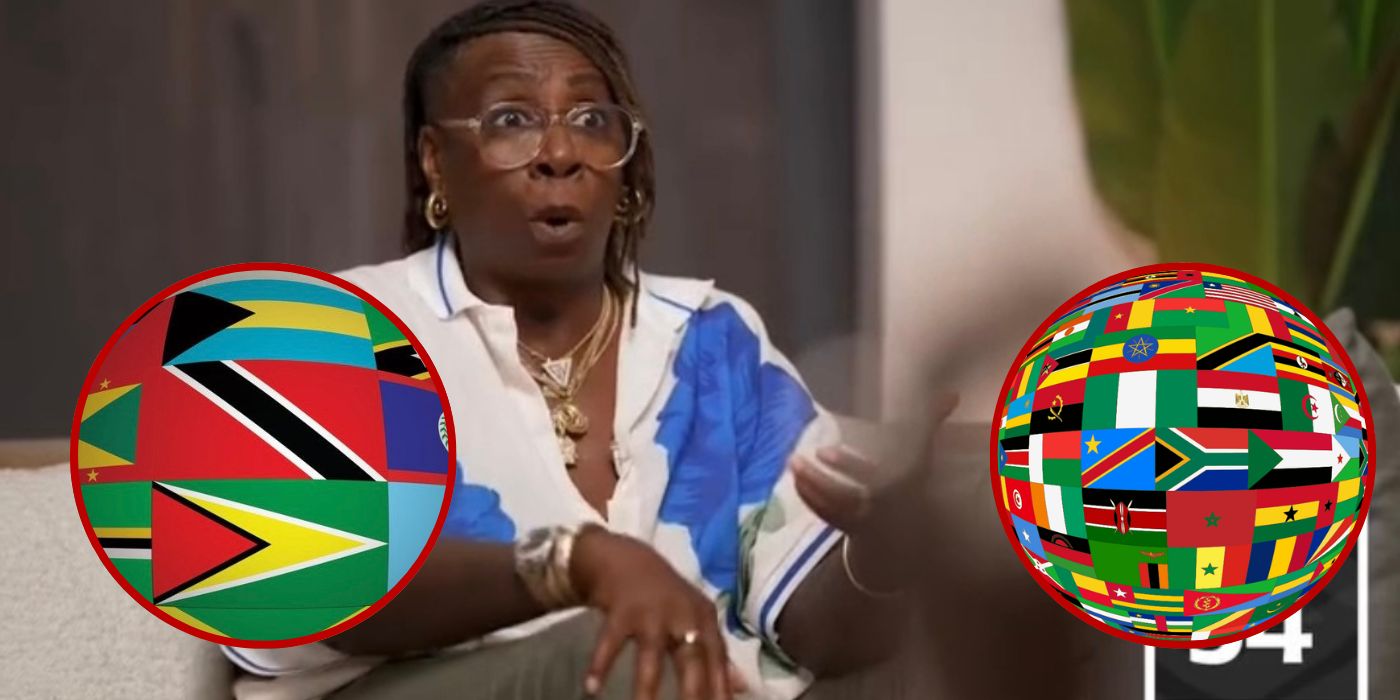

Gina Yashere has sparked discussion after reflecting on the relationship between African and Caribbean communities in Britain and the divisions that existed when she was growing up.
Speaking during an interview on One54 Africa, the comedian and writer looked back on what she described as a period when mistrust and misunderstanding between the two groups was far more common than it is today.
According to Yashere, much of that tension was rooted in the legacy of colonialism and the way Black history was taught, or in many cases not taught at all. Referring to the generation that arrived in Britain during the Windrush era, she argued that many people of Caribbean heritage were not given a full understanding of their ancestral roots.
"The hatred between Africans and Caribbeans was so strong at that time," she said.
.jpeg)
The Windrush generation refers to people who arrived in the UK from Caribbean countries between 1948 and 1971, helping to rebuild Britain after the Second World War. Many settled in cities across the country and played a major role in shaping modern British society. However, discussions around identity, heritage and belonging often evolved differently across African and Caribbean communities.
Yashere claimed that colonial education systems left many people disconnected from their history, saying:
"They didn't know because they were deliberately kept uneducated."
She recalled conversations from her younger years where some people identified strongly with their Caribbean nationality but had little awareness of the deeper history behind how their ancestors arrived in the region through the transatlantic slave trade.
"No, man, I'm Jamaican. My mom and dad are Jamaican,"
She remembered hearing from some of her peers.
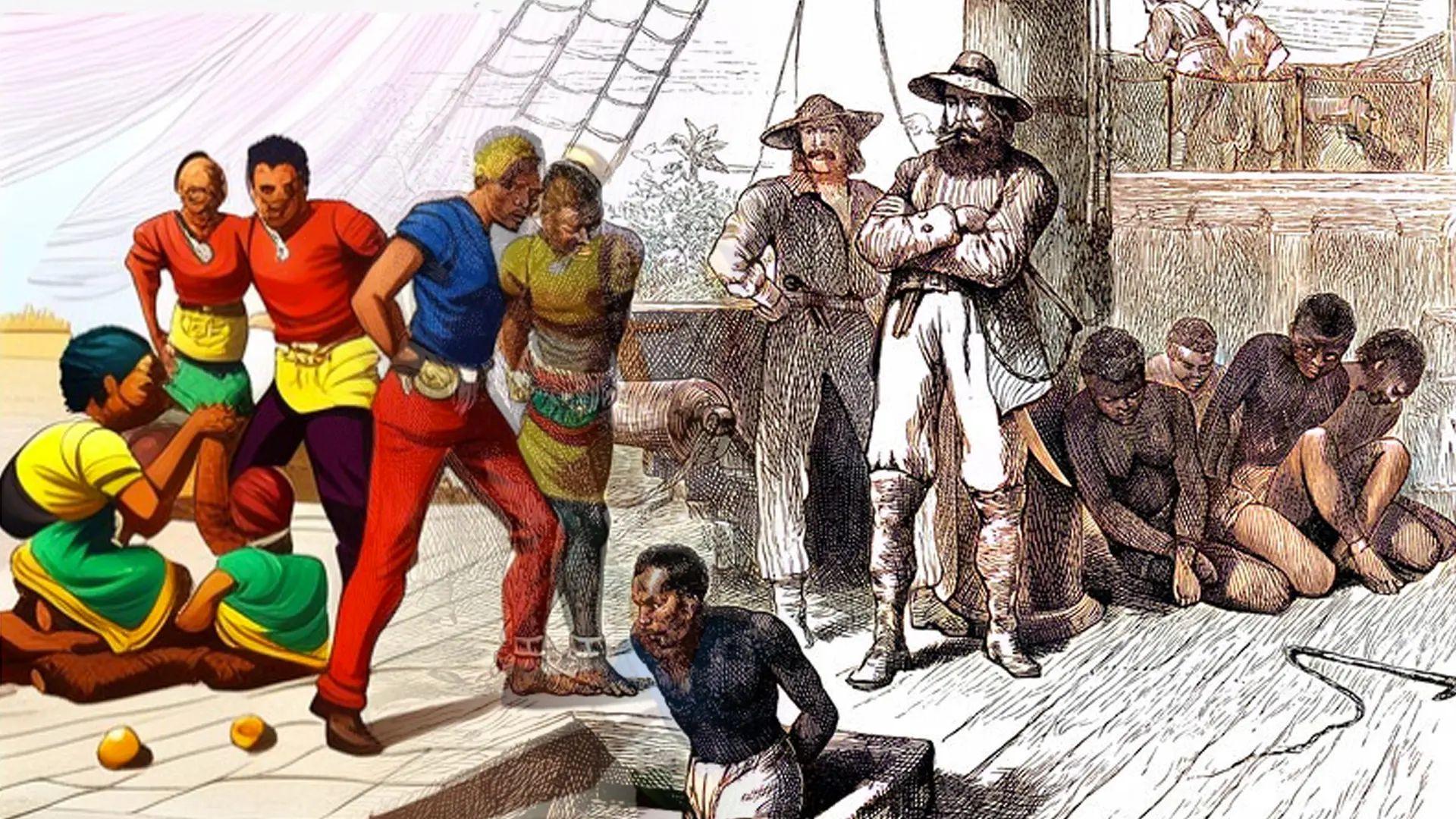
Historically, the majority of Black Caribbean people trace their ancestry back to West and Central Africa. Millions of Africans were forcibly taken from the continent during the transatlantic slave trade and transported to the Caribbean and the Americas. While that history is widely understood today, Yashere suggested awareness of those connections was not always as common as it is now.
She also spoke about how negative stereotypes flowed in both directions, creating a divide that was fuelled by ignorance rather than understanding. Yashere said:
"Caribbeans looked at Africans and were like, ugh, they think they're better than us. And they come from the jungle and all this."
According to Yashere, many of those perceptions came from inaccurate portrayals of Africa in popular culture and educational materials.
"Because all they knew about Africans was what was in the Tarzan book."
At the same time, she argued that Africans often held their own prejudices towards Caribbean people.
"And then Africans looked down on Caribbeans. They don't even know their own history. They're useless."
Yashere said these attitudes sometimes filtered into family life, recalling how strongly some parents felt about the issue.
"So my mom wouldn't let me go anywhere. And she did not like it when I had Caribbean, Jamaican, Jamaican. Don't mix with them."
.jpeg)
She then revealed just how deep those feelings ran within her own household.
"My mom would rather I had white friends than Jamaican friends. That's how bad it was."
While Yashere was reflecting on a specific period in time, many people believe relations between African and Caribbean communities have improved significantly over the years. Shared experiences, greater access to education, the growth of Black British culture and increased conversations around identity have helped bring communities closer together.
Today, African and Caribbean influences are often celebrated side by side across music, fashion, food, entertainment and wider British culture. Events that highlight Black heritage regularly attract people from a range of backgrounds, with many embracing both their differences and shared history.
Yashere is one of Britain's most recognisable comedians and writers, having built an international career through stand-up, television appearances and screenwriting. Born in London to Nigerian parents, she has frequently spoken about race, identity and the experiences of Black communities through her work. One of her most notable achievements came as co-creator and executive producer of the US sitcom Bob Hearts Abishola, which made history as one of the first American network comedies centred on a Nigerian family and was widely praised for bringing African culture and immigrant experiences to mainstream television audiences.
.jpeg)
Yashere's comments prompted a lively discussion online, with many people agreeing that colonialism played a major role in creating divisions that have gradually weakened over time. One person commented:
"They separated us too freaking long but now we have found our way to each other and there’s nothing the colonial powers can do about it!!”
Others felt her experiences were personal and did not necessarily reflect the experiences of all Caribbean families.
Another person said:
“That’s her experience but I find her comments ignorant, I don’t know any Caribbean people that had no understanding of where they came from until “roots” came out. Maybe the few people she interacted with, but I know Caribbean people that are proud of their African heritage as well as their Caribbean heritage too.”
Many commenters also stressed the importance of unity rather than focusing on historical divisions.
Another wrote:
“We are all one people. Yes there was division but surely in 2026 fighting amongst ourselves is foolishness. Bun the division!”
Whether people agreed with every part of Yashere's account or not, her comments have reignited an important conversation about identity, history and the lasting effects of colonialism. They have also highlighted how far relationships between African and Caribbean communities have come, with many now choosing to focus on shared heritage, mutual respect and cultural appreciation rather than the divisions of the past.
.png)


.jpeg)
.png)
%20(1).png)
.svg)
.svg)
.svg)