

A video shared by content creator Chase the Wavee has ignited a wider conversation about musical identity, festival programming and whether genre-specific events should expand beyond their traditional roots.
Responding to people asking why he skipped this year's Reggae Land festival, Chase explained that his decision centred around one particular booking, Nigerian superstar Burna Boy.
While making it clear that his comments were not a personal criticism of the Grammy Award-winning artist, he questioned why Burna Boy had been selected to perform at an event dedicated to reggae and dancehall. He said:
"I have nothing against the guy, he's a very talented artist, I don't know the Geezer personally so I have nothing against him, but why was Burna Boy performing at Reggae Land?"
He continued:
"It's not Afro Land or Afrobeats Land, it's Reggae Land."
.jpeg)
The creator also pointed out that Burna Boy was the only African artist on the festival's line-up across all three days, saying he could not understand the thinking behind the decision.
"I didn't understand why Burna Boy was the only African artist on the whole line up," he said.
He went on to discuss fellow performer Masicka, suggesting the Jamaican dancehall star would have been better suited performing on the same day as Vybz Kartel rather than alongside Burna Boy.
According to Chase, artists from similar genres often feed off each other's energy during live shows, and he believed Masicka's performance could have benefited from that pairing.
"Massacre's a big artist, he's a big, big artist, especially in Jamaica," he said, referring to Masicka.
He added: "I feel like Massacre should have went on the Sunday when Cartel was there. I feel like certain artists bounce off each other and they perform better."
The creator then broadened his argument, comparing Reggae Land with Afrobeats festivals.
"When the Africans are doing their concerts and their Afrobeats concerts all over the place, you don't see any Jamaican artists on their lineup, it's all African artists, do you get it? That's what it's for, it's an Afrobeats concert."
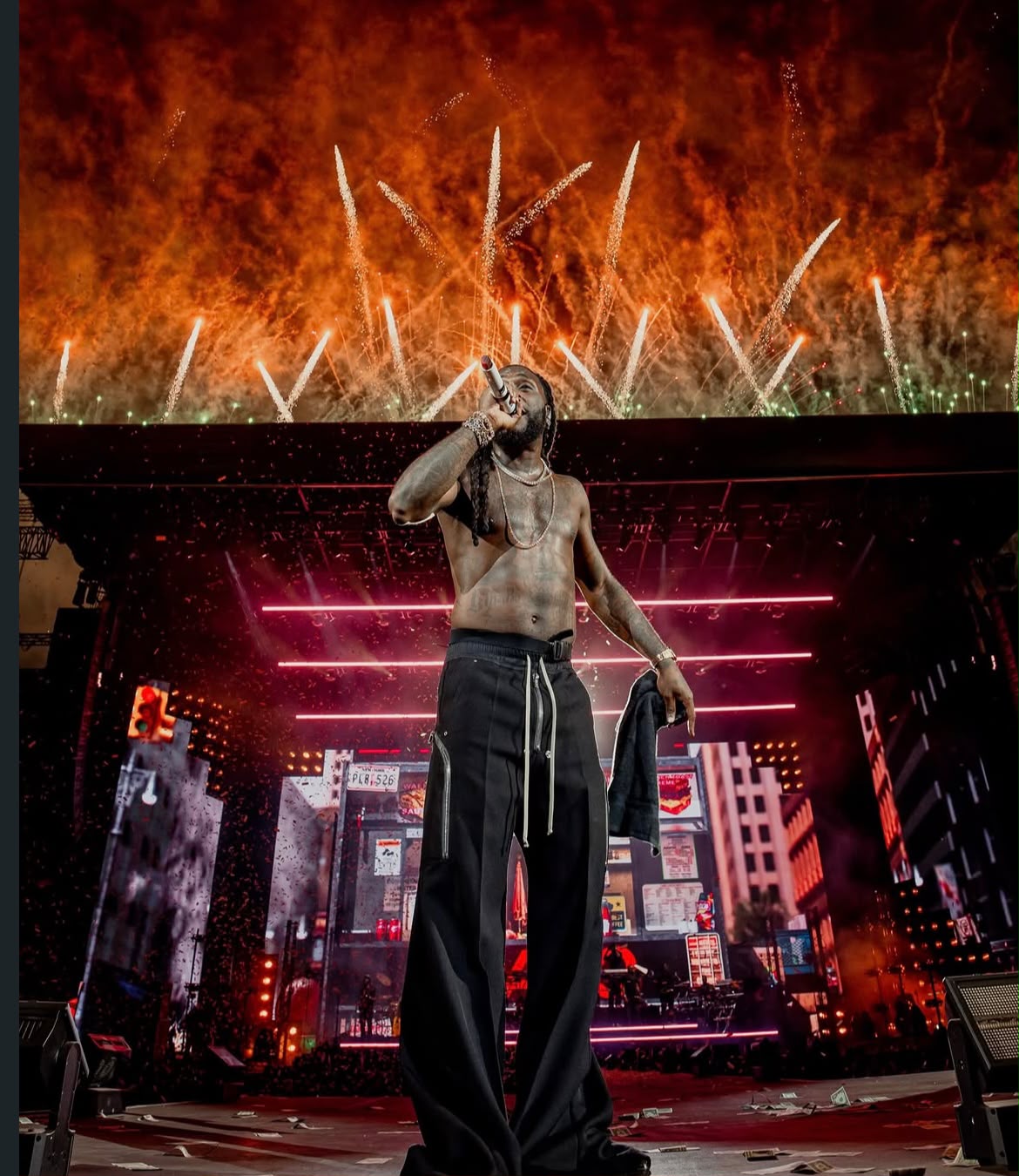
Although he acknowledged his opinion might not be popular, he stood by his decision.
"That's my personal reasons why, it might be petty, but it is what it is. I'm not paying to go there to see Burna Boy. If I want to see Burna Boy, I'll go to his concert."
His comments quickly prompted debate online. Some viewers felt he had raised a fair point about preserving the identity of genre-specific festivals. One person wrote:
"This shouldn’t be a thing I can’t lie. Reggae artists ONLY."
Another added:
"I’m gonna lie, he’s making a valid point.."
Others disagreed, arguing that music continues to evolve through collaboration and cultural exchange.
"I hear your point but it’s time we stop all the divide. It’s great it can draw in a superstar to the event. If Jay-Z can perform at Glastonbury then I think this is more than okay. I hope to see some big collaborations with African and Caribbean artists off the back of this!"
Another wrote:
"Burna Boy and Patoranking are Afrobeat artists that are deeply inspired by the Caribbean culture. You can hear it in their music so I feel this was a right fit."
.jpeg)
The discussion touches on a much wider conversation that has existed within reggae and dancehall communities for years.
Reggae Land has established itself as one of the UK's biggest celebrations of Caribbean music and culture, bringing together reggae, dancehall, dub, soundsystem culture and carnival across multiple stages. The festival has become known for showcasing legendary Jamaican performers alongside newer generations of artists, with many fans viewing it as an opportunity to celebrate the history and influence of Jamaican music.
For some fans, that heritage is exactly why Burna Boy's inclusion raised questions. Reggae and dancehall are genres deeply rooted in Jamaica's cultural identity, carrying decades of social, political and musical significance. Many supporters believe festivals dedicated to those genres should prioritise artists working directly within those traditions, particularly when so many reggae and dancehall acts continue to emerge.
.jpeg)
Others, however, see Burna Boy as a natural addition. Throughout his career, the Nigerian artist has spoken about the influence Jamaican music has had on his sound, regularly blending reggae and dancehall elements into Afrobeats. He has also collaborated with Caribbean artists and performed music that reflects the long-standing musical relationship between West Africa and the Caribbean, something many believe should be celebrated rather than separated.
This year's Reggae Land was the festival's biggest edition to date, expanding to three days at the National Bowl in Milton Keynes and featuring more than 120 artists across seven stages. Friday saw Burna Boy headline alongside Masicka, Christopher Martin and Julian Marley, while the weekend also featured major names including Beenie Man, Morgan Heritage, Shenseea, Shaggy and Vybz Kartel, whose appearance was one of the most anticipated performances of the event. Organisers described the festival as their most ambitious yet, celebrating reggae, dancehall, dub and wider Caribbean culture.
.jpeg)
Despite the success of the event and the strength of its line-up, Chase's comments have highlighted how passionate audiences remain about protecting the identity of reggae music while also debating how much space there should be for artists influenced by it.
Whether people agreed with his view or not, the discussion has once again shown that conversations around culture, representation and musical heritage remain just as powerful as the performances themselves.
.png)


%20(1).png)
.png)
.png)
.svg)
.svg)
.svg)