
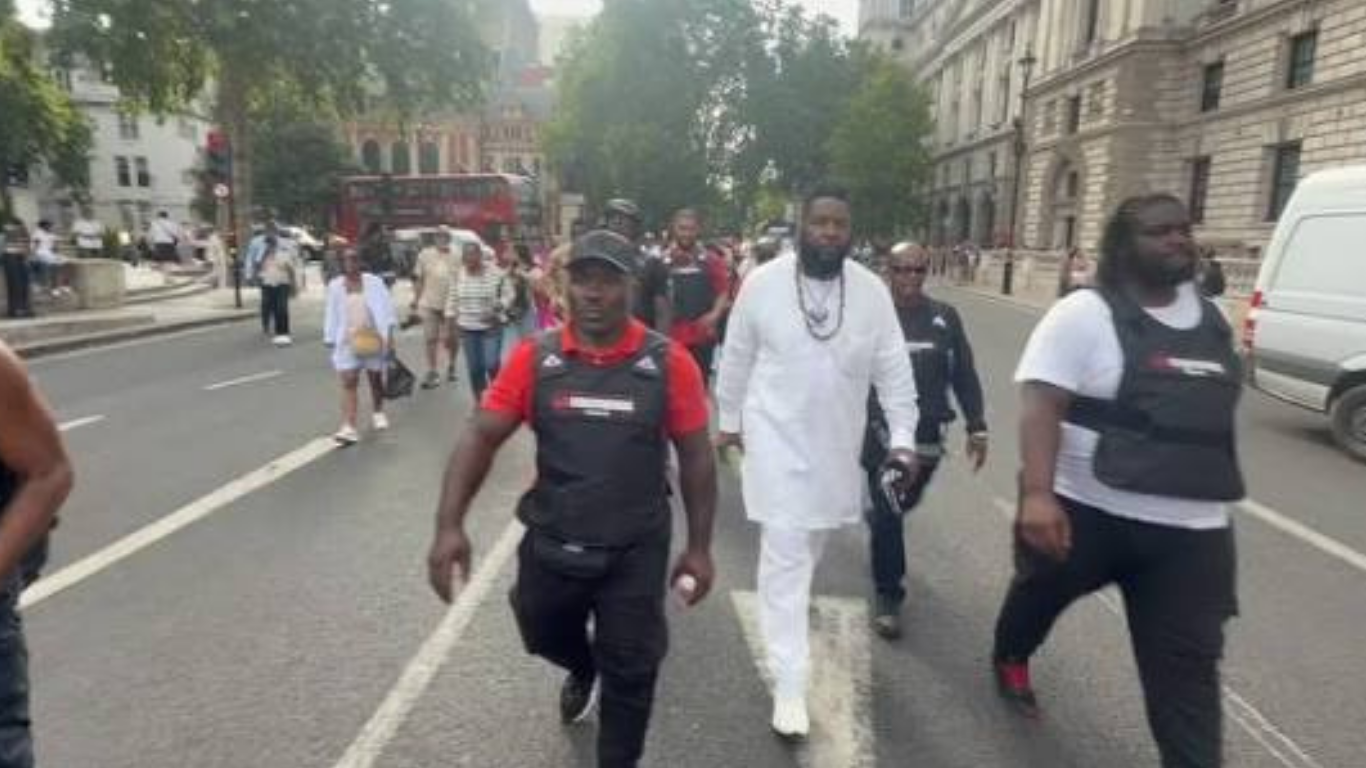

Hundreds of campaigners, activists and members of the African diaspora gathered in Brixton on Saturday for the Annual Afrikan Reparations Day March, which made its way from Windrush Square to Downing Street with renewed calls for reparatory justice for people of African descent.
The march, held on August 1 to coincide with Emancipation Day commemorations, focused on demands for reparations linked to the transatlantic slave trade, colonialism and their continuing social and economic impacts. Organisers described the event as a call for “Reparations, Justice and Restoration” and encouraged supporters from across the Pan-African community to unite behind the cause.
One of the day's headline speakers was American educator, psychologist and Pan-African activist Dr. Umar Johnson, who travelled from the United States to deliver the keynote address. Organisers had promoted his appearance as a major part of the event, urging supporters to give him a strong welcome in London.
Speaking to the crowd, Dr. Umar argued that reparations should extend far beyond financial compensation. He called for what he described as comprehensive reparations addressing the "spirit, mind, community and body" of African people affected by centuries of enslavement and colonial exploitation.
According to attendees, Dr. Umar stressed that reparations should include compensation for unpaid labour, psychological harm, rehabilitation for mental and emotional trauma, and measures to address what he described as sociological damage suffered by African communities across generations.
He told supporters that the impact of slavery and colonialism could still be seen in disparities affecting education, mental health, economic opportunity and community development, adding that any meaningful reparations programme must address both material and non-material forms of harm.
The Annual Afrikan Reparations Day March has become an important fixture within Britain's Pan-African community. The event highlights ongoing demands for governments and institutions to acknowledge and address the lasting consequences of slavery and colonialism. Campaigners argue that reparatory justice should include education, economic investment, restitution and policies designed to tackle inequalities rooted in historical injustice.
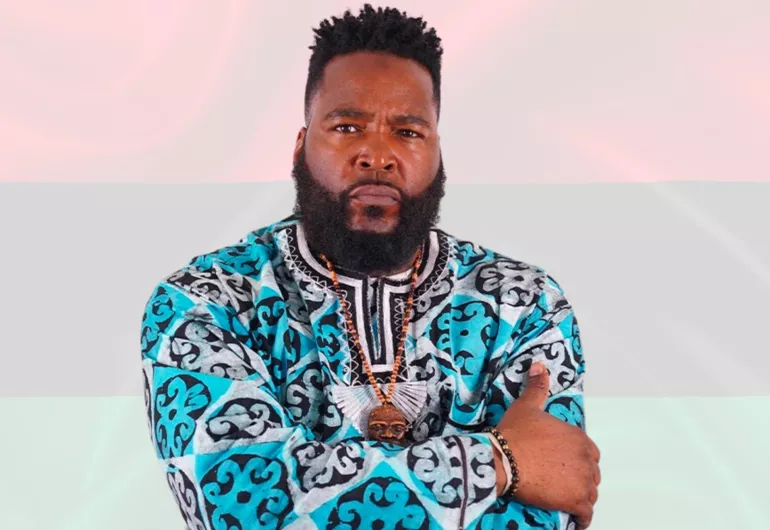
Dr. Umar Johnson is a US-based psychologist, author and motivational speaker who is widely known for his advocacy of Pan-Africanism, Black self-determination and educational reform. He has built a large international following through lectures, podcasts and social media, where he frequently discusses issues affecting African and African-American communities. He is also known for campaigning on educational and mental health issues involving Black children and families.
Supporters view Dr. Umar as a powerful voice on Black empowerment, African unity and the long-term effects of racism and inequality. Many credit him with encouraging discussions around cultural identity, education and community development.
However, Dr. Umar remains a controversial figure. Critics have questioned some of his views and public statements, while others have raised concerns about projects and initiatives he has promoted over the years. His outspoken style and strong opinions have often generated debate within both academic and activist circles. Despite the criticism, he continues to attract large audiences and remains one of the most recognisable figures in contemporary Pan-African activism.
As the march concluded in Westminster, participants reiterated calls for greater recognition of the historical and ongoing impacts of slavery and colonialism. For many in attendance, the presence of Dr. Umar Johnson added international attention to a movement that continues to gain momentum on both sides of the Atlantic.
.png)


.jpeg)
.png)
.png)
.svg)
.svg)
.svg)