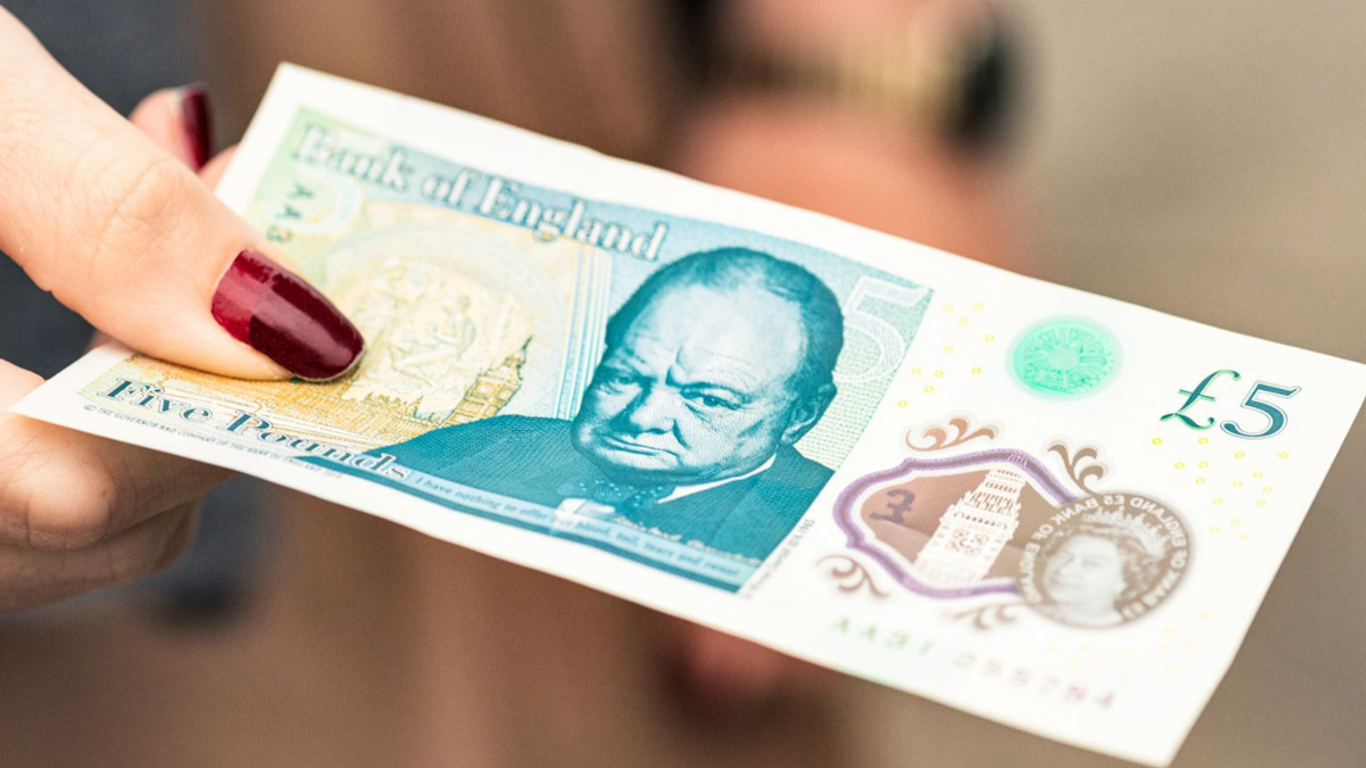

The Bank of England has announced a major design shift for the next series of UK banknotes, revealing that traditional portraits of famous historical figures will be replaced with images of British wildlife. The move ends more than 50 years of featuring prominent individuals such as William Shakespeare, Sir Winston Churchill, Alan Turing and Jane Austen.
Under the new design approach, the public will be invited to help decide which animals, plants and natural scenes best represent the nation’s biodiversity. The aim, according to the Bank, is to “showcase the UK’s rich and varied wildlife” while celebrating a different aspect of British identity.
Despite the design changes, the portrait of King Charles III will continue to appear on the banknotes, maintaining the long-standing tradition of featuring the reigning monarch on the currency.

The decision follows a public consultation held last summer, in which the wildlife theme proved overwhelmingly popular. Out of roughly 44,000 responses, about 60% supported featuring nature on the notes rather than historical figures.
Officials say the new designs could also strengthen the security of the currency. Wildlife imagery may allow for clearer and more distinctive security features, which could make counterfeiting more difficult.
However, the proposal has already sparked debate about replacing figures who played significant roles in British history. Media personality Piers Morgan strongly criticised the idea, saying:
“Sorry? We’re going to replace our greatest ever Briton, the man who saved us from the Nazis, with a bloody hedgehog? This is ridiculous.”
Supporters of the change argue that highlighting wildlife reflects modern priorities and Britain’s natural heritage. Critics, meanwhile, believe the removal of iconic figures risks overlooking the country’s historical legacy.
The final designs have not yet been confirmed, and the public consultation will play a key role in determining which species or landscapes could appear on the future notes. For now, the debate highlights a broader question: should national symbols focus on the people who shaped history, or the natural environment that defines the country itself?
.png)


%20(1).png)
.png)
.jpeg)
.jpeg)
.svg)
.svg)
.svg)