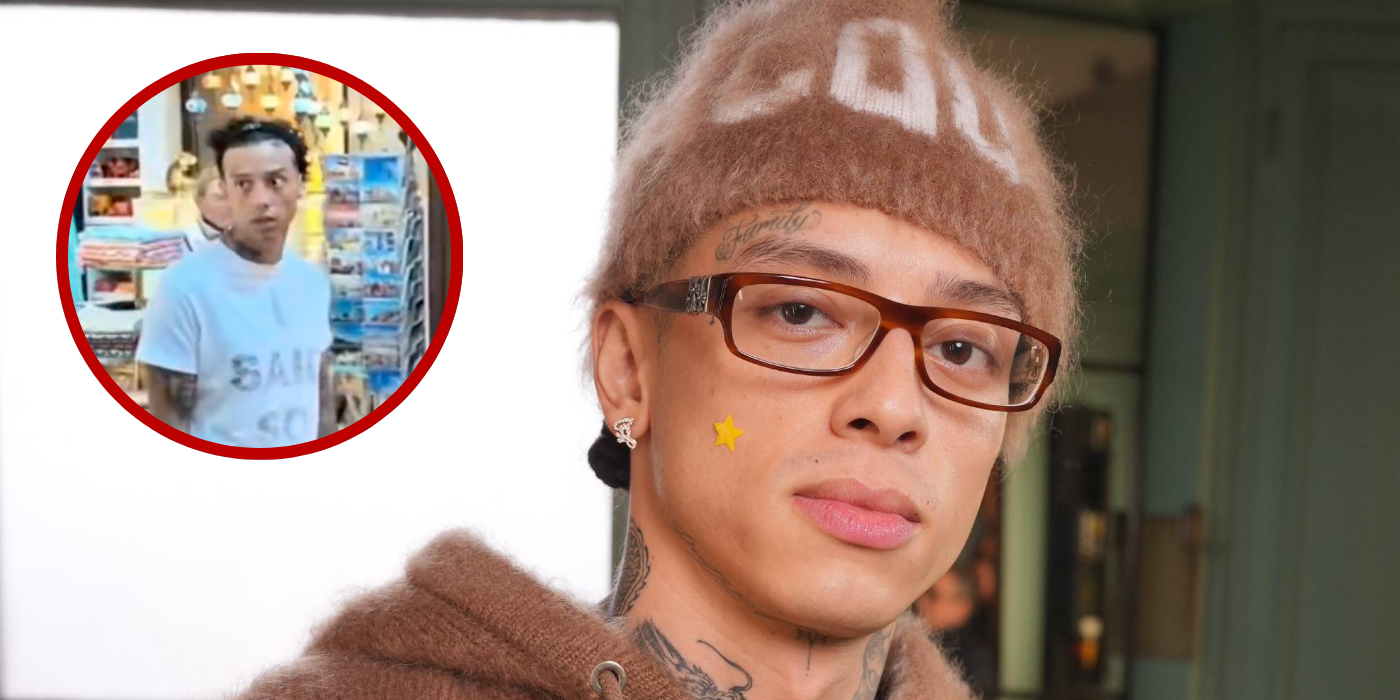

The West London rapper, Central Cee whose real name is Oakley Neil H T Caesar-Su, was filmed during an interaction with a fan in a clip that began circulating online on Thursday, October 22nd.
The clip that was shared by WorldStar shows the rapper declining a photograph and telling the fan to respect his decision. The exchange quickly attracted attention, with viewers debating whether Central Cee was justified in refusing the request or could have handled the situation differently.
The video has prompted mixed reactions, with some social media users defending the rapper’s decision to turn down the photograph. They argued that being famous does not mean celebrities must be available to fans whenever they are approached in public.
One user commented:
He was even nice about it ! People need to chill and respect.
While another added:
People need to understand he’s human. He also could be going through something personal, anything! Just let people be and understand no means NO!
Others sympathised with the fan, pointing out that meeting a favourite artist can be an exciting experience and that a photograph may be a memorable moment for supporters with one user saying:
He could of at least take the picture man I unerstand that not everyday your gonna be in the mood but when you have people that genuinely like your music the least he could do is make the effort
However, the discussion has also highlighted the importance of respecting personal boundaries. While fans may feel connected to artists through their music, that connection does not necessarily extend to their private lives.
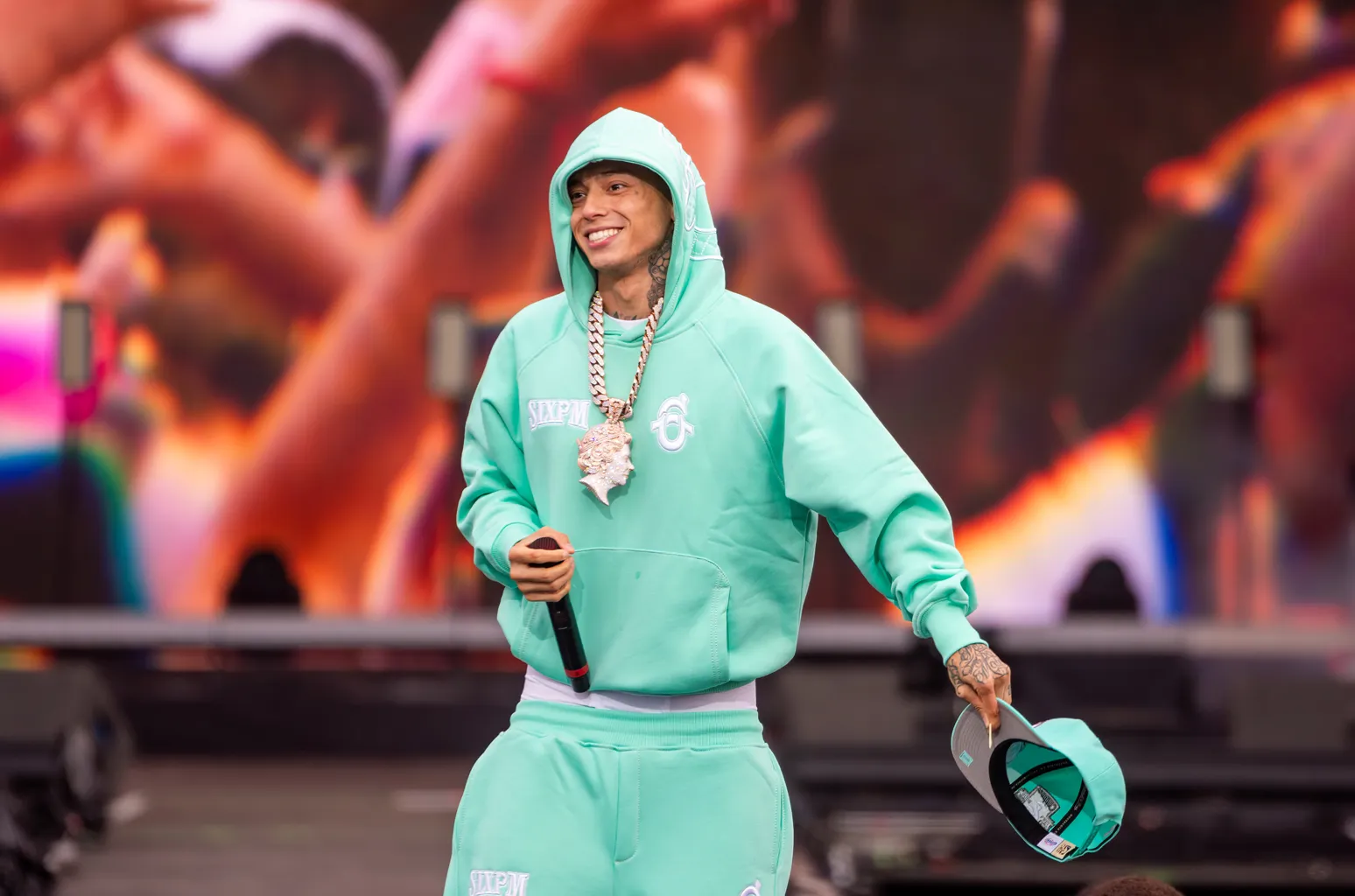
Central Cee has become one of the UK's most recognisable rap artists, with international success through tracks such as Doja, Sprinter with Dave and Let Go. His growing popularity has also brought increased attention whenever he is spotted in public. In a 2024 interview with British GQ, the rapper discussed how difficult it can be to enjoy ordinary moments when people constantly recognise him. He explained that genuine interactions with fans can be meaningful, but repeated requests for photographs can sometimes feel less personal.
His comments offer context for the wider conversation surrounding the viral clip, although they do not establish his specific reason for refusing this particular request.
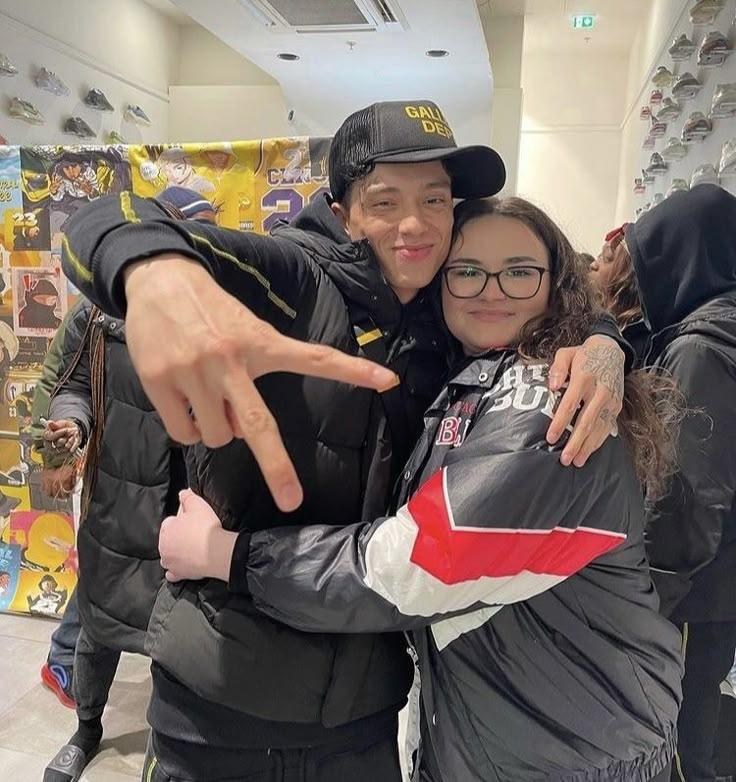
The incident has raised a familiar question about the relationship between celebrities/public figures and their supporters. Fans help artists build successful careers, but celebrities are still entitled to privacy and can choose when they want to engage. At the same time, the way an artist communicates a refusal can influence how the interaction is received. Some viewers may understand a firm response as setting a boundary, while others may interpret it as dismissive.
Ultimately, the exchange serves as a reminder that respect should work both ways. Fans can admire their favourite artists, but they should also accept when an artist says no. As the footage continues to circulate, the debate remains divided over whether Central Cee's response was justified — or whether the interaction could have ended on a more positive note.