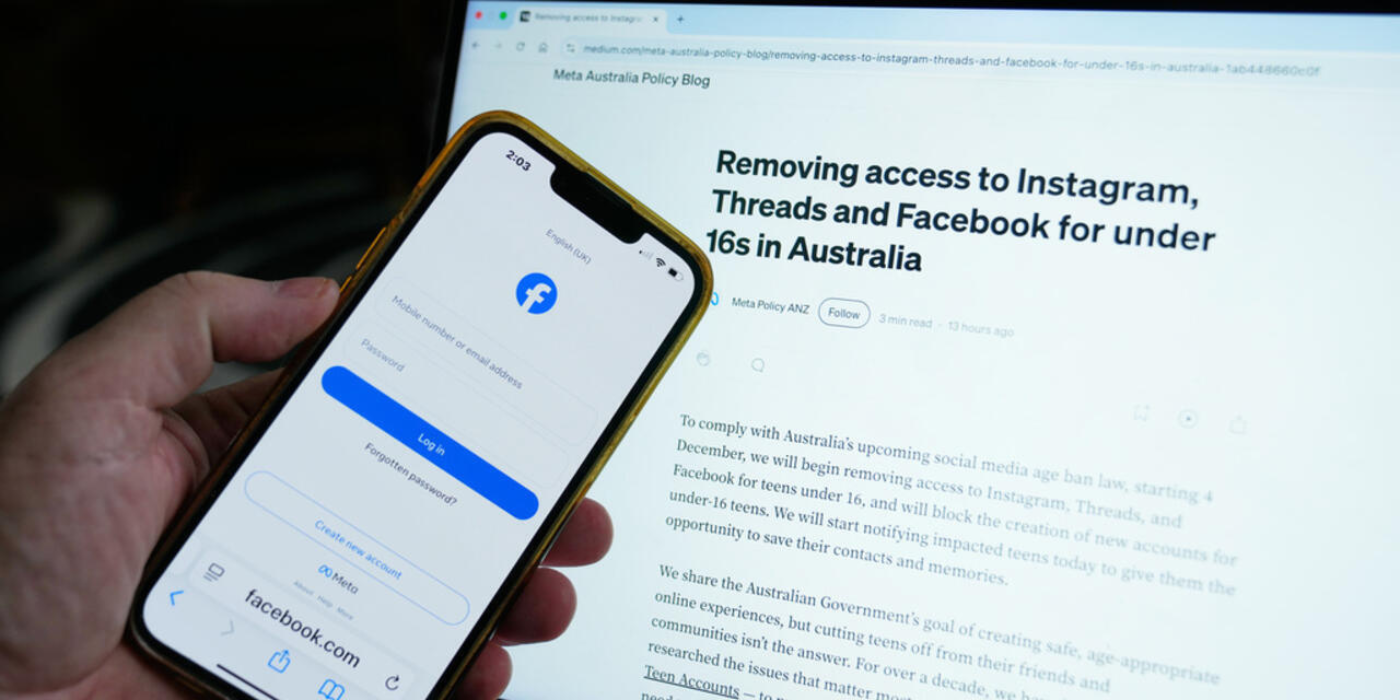

Australia has become the first country in the world to introduce a comprehensive social media ban for users under the age of 16, a landmark move aimed at protecting children from online harm. The legislation, which came into effect this week, targets major platforms including Instagram, Facebook, Threads, X, Snapchat, Kick, Twitch, TikTok, Reddit, and YouTube.
Under the new rules, platforms are responsible for enforcing the ban. Companies that fail to comply could face fines of up to A$49.5 million (US$32 million, £25 million) per breach. Importantly, parents and children will not be penalised for accessing these platforms, placing the legal responsibility squarely on the companies themselves.
The law also requires platforms to implement robust age verification processes and safety measures, ensuring that under-16 users are restricted from creating accounts or accessing content. Government officials have described the move as a “world-leading approach” to child online safety, aimed at reducing risks such as cyberbullying, exposure to inappropriate content, and excessive screen time.
The announcement has sparked a global conversation about the role of social media in children’s lives. Supporters argue it is a necessary step to protect young people, while critics warn it may be difficult to enforce and could drive minors to use virtual private networks (VPNs) or other workarounds.
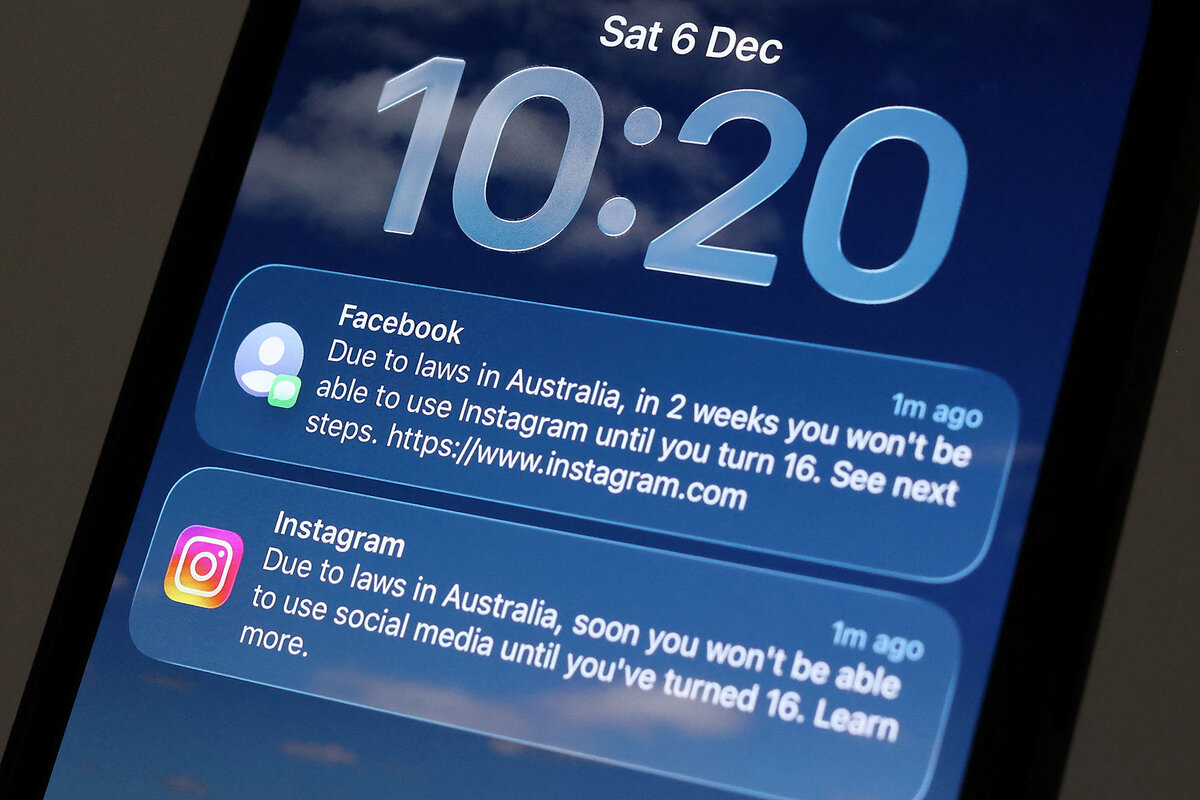
Experts also caution that while restricting access is one solution, it must be complemented by digital literacy education and parental guidance to truly safeguard children online.
The Australian ban may set a precedent, prompting other nations to consider stricter regulations around youth social media use. For now, all eyes are on how platforms respond and whether the law will achieve its goal of making the internet a safer space for children.
%20(4).png)


%20-%202.PNG)
%202.PNG)
%20(5).png)
.svg)
.svg)
.svg)