.png)

Former England international Eni Aluko has won a libel case against former footballer Joey Barton, with the High Court ordering him to pay more than £300,000 in damages and legal costs over defamatory posts made on social media in 2024.
The case centred on a series of posts Barton published on X, formerly Twitter, between January and August 2024. According to Aluko’s legal team, the posts formed part of what was described in court as a “deliberately targeted public campaign of vilification.” The messages included personal attacks directed at the former striker, who has since become a prominent football pundit and sports lawyer.
One of the posts highlighted during the case reportedly included an edited image comparing Aluko to Rose West, while other messages accused her of hypocrisy and questioned her stance on racism in football. Her lawyers argued that the statements were defamatory and damaging to her professional reputation.
The High Court ultimately ruled in Aluko’s favour, concluding the dispute with Barton ordered to pay substantial damages along with her legal fees. Reports indicate the total financial penalty amounts to over £300,000, bringing the legal battle to an end.
The judgment is one of the most significant recent defamation rulings involving a high profile sports figure in the UK. Legal analysts have noted that the decision serves as a reminder that social media posts are subject to the same defamation laws as traditional publications, and that public figures can still be held accountable for statements made online.
Aluko earned over 100 caps for the England women's national football team during her playing career and previously represented clubs including Chelsea Women F.C. and Juventus Women. Since retiring from professional football, she has built a successful career as a broadcaster and analyst, regularly appearing across major sports networks.
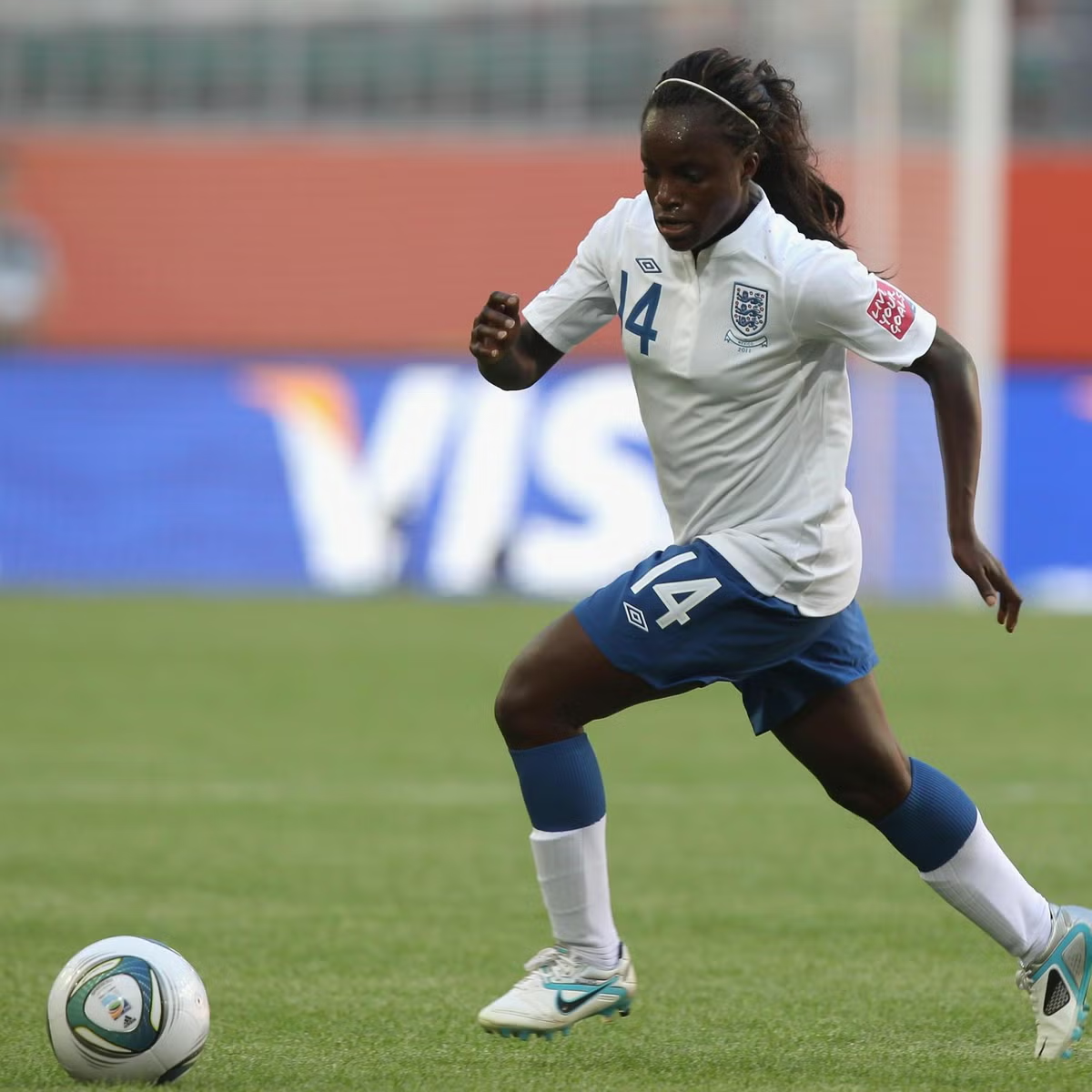
Following the ruling, Aluko briefly addressed reporters outside court, expressing relief that the legal proceedings had concluded and describing the outcome as the end of a difficult period.
The ruling has prompted wider discussion within the football community about online harassment and the responsibilities of public figures on social media, particularly at a time when high profile women in sport have increasingly called for stronger protections against abuse and misinformation.
.png)


%20(1).png)
.png)
.jpeg)
.jpeg)
.svg)
.svg)
.svg)