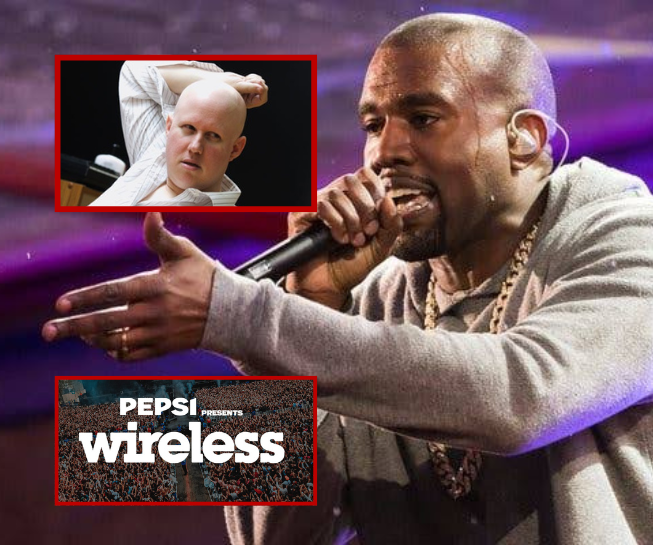

What started as a headline announcement has quickly turned into a full-blown cultural flashpoint. Wireless Festival’s decision to platform Kanye West has triggered a chain reaction, one that now involves corporate sponsors, celebrities, and a rapidly growing online discourse.
In recent developments, major brands including Pepsi and Diageo have reportedly stepped back from their sponsorship of the festival. The move signals a clear shift. Brands are becoming increasingly cautious about the reputational risks tied to high-profile partnerships. In today’s climate, alignment matters and companies are paying close attention to public sentiment.
%2016.PNG)
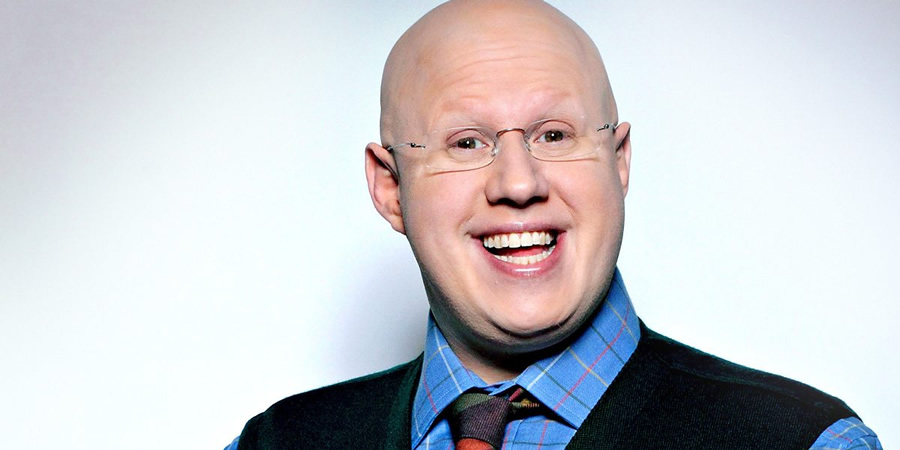
At the same time, the conversation has been amplified by comedian and actor Matt Lucas, who publicly criticised both the festival and its sponsors. His comments quickly gained traction, adding fuel to an already heated discussion around accountability and platforming.
However, as often happens in the social media age, the narrative did not stop there. Following his call-out, attention turned back on to Lucas himself, with some online users resurfacing elements of his past. This has created a layered debate that is no longer just about Kanye West or Wireless, but about consistency, scrutiny, and who gets to speak on what.
It is no longer just about the music or the line-up. It is about values, perception, and public response. Festivals, once seen purely as entertainment spaces, are now operating under the same lens of accountability as brands and public figures.
For sponsors, the stakes are particularly high. Associating with major events can bring huge visibility, but also significant risk. The decision by companies like Pepsi and Diageo to pull out reflects a growing trend. Brands are choosing to distance themselves quickly when controversy arises, rather than weather the storm.
Meanwhile, fans remain divided. Some argue that music and art should be separated from personal controversies, while others believe platforms like Wireless have a responsibility to consider the wider impact of their choices.
What is clear is that this is not just a moment. It is part of a larger cultural shift. The intersection of entertainment, corporate responsibility, and public opinion is becoming increasingly complex, and situations like this are likely to become more common.
As Wireless Festival approaches, all eyes remain on how organisers respond, whether more sponsors follow suit, and how audiences ultimately react. One thing is certain. In today’s landscape, every decision, on stage or behind the scenes, comes with consequences.
.png)


.png)
%20(1).PNG)
.PNG)
.svg)
.svg)
.svg)