

Sussex Police have confirmed that the bodies of three women recovered from the water near Madeira Drive in Brighton on Wednesday 13 May were sisters in their 30s, with officers and emergency services called to the scene in the early hours following reports of a person in distress in the sea. Sisters Jane Adetoro, 36, Christina Walter, 32, and Rebecca Walter, 31, all from the Uxbridge area of London, were named by the force after formal identification procedures were completed and relatives were informed. The announcement has sent waves of grief across communities in both Sussex and their home borough in the capital as loved ones come to terms with the devastating loss.
Their father, in a statement released through Sussex Police, poured out his heart as he paid tribute to his daughters, saying,
“No words can truly describe the pain of losing three daughters in the prime of their lives.”
He went on to describe each of them as more than just family, calling them his,
“Joy, my strength, and the beautiful light that filled our family with happiness and love.”
His words have been widely shared as a testament to the deep bond the sisters shared, not just with him, but with all who knew them.
The force has stressed that enquiries remain ongoing to determine exactly how the women came to be in the water off Brighton’s seafront, and that at this stage there is “no evidence to suggest third-party involvement or criminality.” Officers are continuing to appeal for anyone with information to come forward, particularly those who may have seen the women in the area between the evening of Tuesday 12 May and the early hours of the following day. Chief Superintendent Adam Hays, divisional commander for Brighton and Hove, has said the investigation will be pursued with diligence, adding that the family’s privacy should be respected while they grieve.
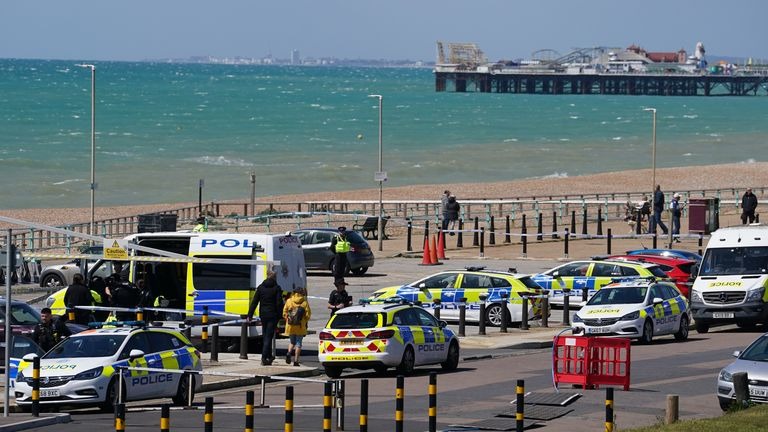
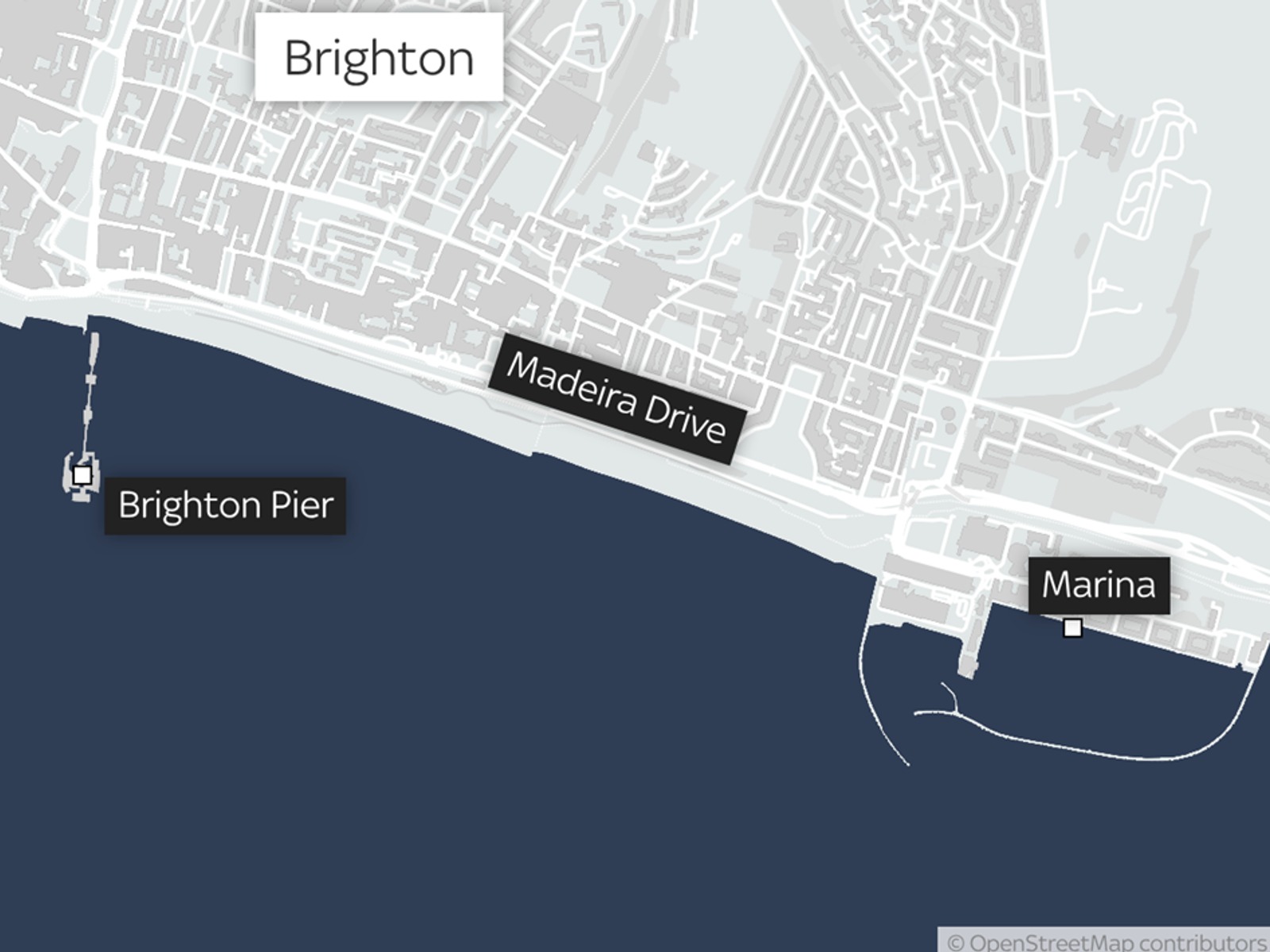
The tragedy unfolded at around 5.45am on 13 May when emergency services were called to Madeira Drive after concerns were raised for a person seen in the sea. When officers and coastguard crews arrived, three bodies were recovered from the water. The beach was later reopened, but the shock of the incident has lingered in the seaside community, where locals and visitors have expressed their sadness at such a harrowing event.
Among those reacting to the news on social media and comment threads, one person wrote,
“Too many Black women are being found in water and dismissed too quickly. Families deserve full transparency and proper investigations. May they rest in peace and may justice not be overlooked.”
Another commenter said,
“All three of them??? How!? May they rest in peace and I pray for comfort for their family because this is beyond heartbreaking.”
A third comment read,
“This is very suspicious and very very sad. All 3 just followed each other into the sea in this weather? For the police to say there was no third party involved is crazy! This has become a regular occurrence and it’s always black females.”
These messages underscore the emotional impact of the tragedy and reflect the wider national conversation about how such incidents involving Black women are perceived and investigated.
The deaths of Jane, Christina and Rebecca have also reignited concerns about a disturbing pattern in the UK involving Black women found in bodies of water after going missing, a thread of cases that has increasingly alarmed families, community advocates and campaigners. According to reporting by The Shade Borough and other community-centred outlets, a number of Black women who have been reported missing in recent years have tragically later been discovered in rivers, coastal waters or lakes, often after prolonged searches and with preliminary police assessments ruling out third-party involvement or declaring the deaths non-suspicious.

For Black Women UK, an advocacy group highlighting this issue, these cases raise urgent questions about how missing persons cases involving Black women are handled, how transparency is maintained with families, and whether sufficient attention is given when media coverage and official urgency vary so widely from case to case. The organisation has pointed to instances such as the disappearance and later discovery of Blessing Olusegun, a 21-year-old who was found on a beach later the same day she was reported missing, and others such as Taiwo Balogun, Samaria Ayanle and Edna Mmbali Ombakho, whose bodies were found in different water locations after weeks of concern from loved ones. Families of these women have sometimes expressed frustration over limited visibility and apparent delays in investigation updates.
Critics of the handling of such cases argue that the repeated occurrences of Black women being found in bodies of water, followed by swift classification of the deaths as accidental or non-suspicious, warrants deeper scrutiny and more transparent communication from authorities, particularly when families are left with unanswered questions. They point to a broader pattern in which cases involving missing white women and girls garner immediate widespread media coverage and visible police mobilisation, while others are resolved more quietly with less public attention, irrespective of how compelling the individual circumstances may be.
Others have highlighted that urban waterways in the UK, such as canals, rivers and coastal areas near nightlife districts, can be hazardous environments, especially late at night or in adverse weather, and that accidental falls or misadventure are not uncommon. However, the intersection of these dynamics with concerns about racial disparities in police response and media attention has added complexity to the national conversation.
In Brighton, the police have been careful to stress their ongoing investigative work, including the review of CCTV footage and outreach to local enquiries, while clarifying that there is no current indication of foul play. The search for answers continues as authorities strive to piece together the final moments of the three sisters before they entered the sea. In the meantime, their family and community have been left to grapple with a loss so profound that the words offered by police and commentators alike barely scratch the surface of the grief felt by those closest to the women.
As tributes pour in and discussions unfold across social platforms, there remains an urgent call from many quarters for transparency, accountability and a thorough exploration of the circumstances leading to such tragedies, both in Brighton and in similar cases across the UK. The conversation around the deaths of Jane, Christina and Rebecca, and how their story fits into a larger narrative about missing Black women and water-related fatalities, is likely to continue as more details emerge and communities seek answers in the face of heartbreak.
%20(1).PNG)


.png)
.PNG)

.svg)
.svg)
.svg)