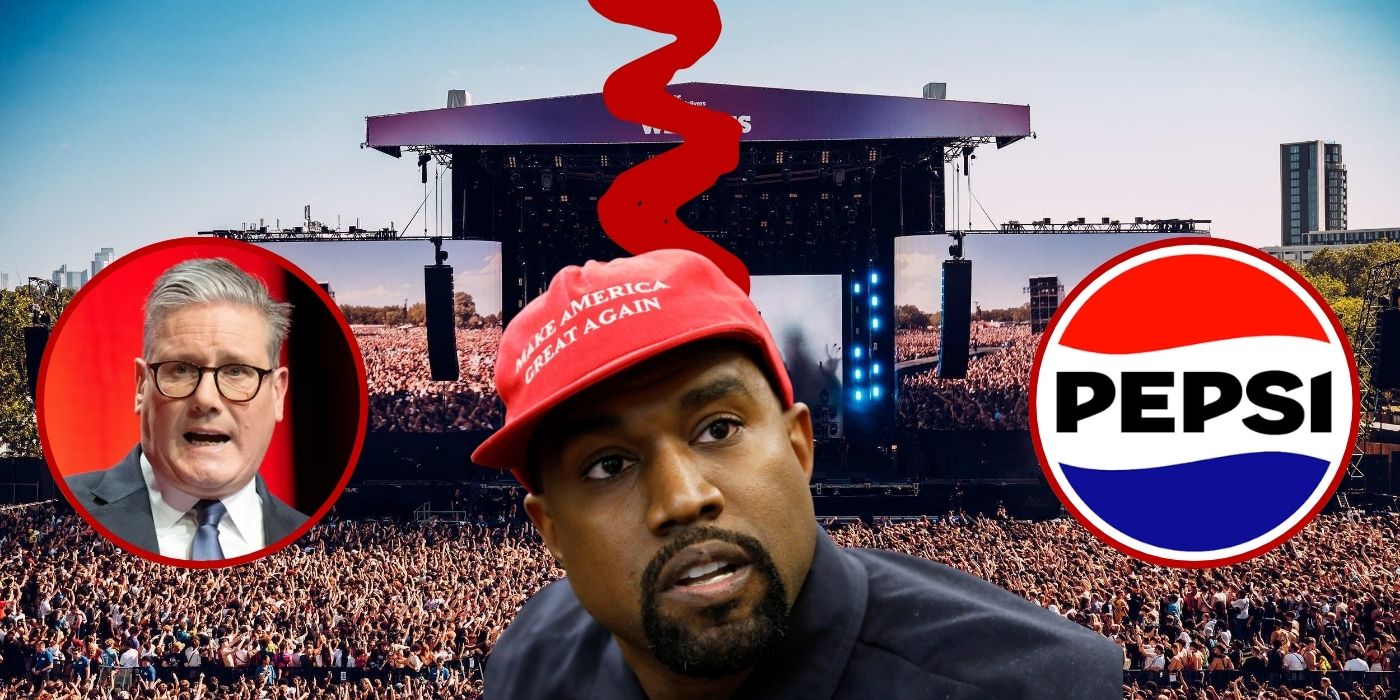

Wireless Festival is facing major backlash, with Prime Minister Keir Starmer voicing his “concern” and Pepsi withdrawing its sponsorship of the London festival following the announcement that Kanye West is set to headline the three-day event.
The US rapper, commonly known as Ye since 2018, has faced widespread criticism over antisemitic comments he made in recent years, for which he issued an apology in January. His antisemitic remarks included an October 2022 X (then Twitter) post that he was going to go “death con 3 on Jewish people,” and another abhorrent remark that read:
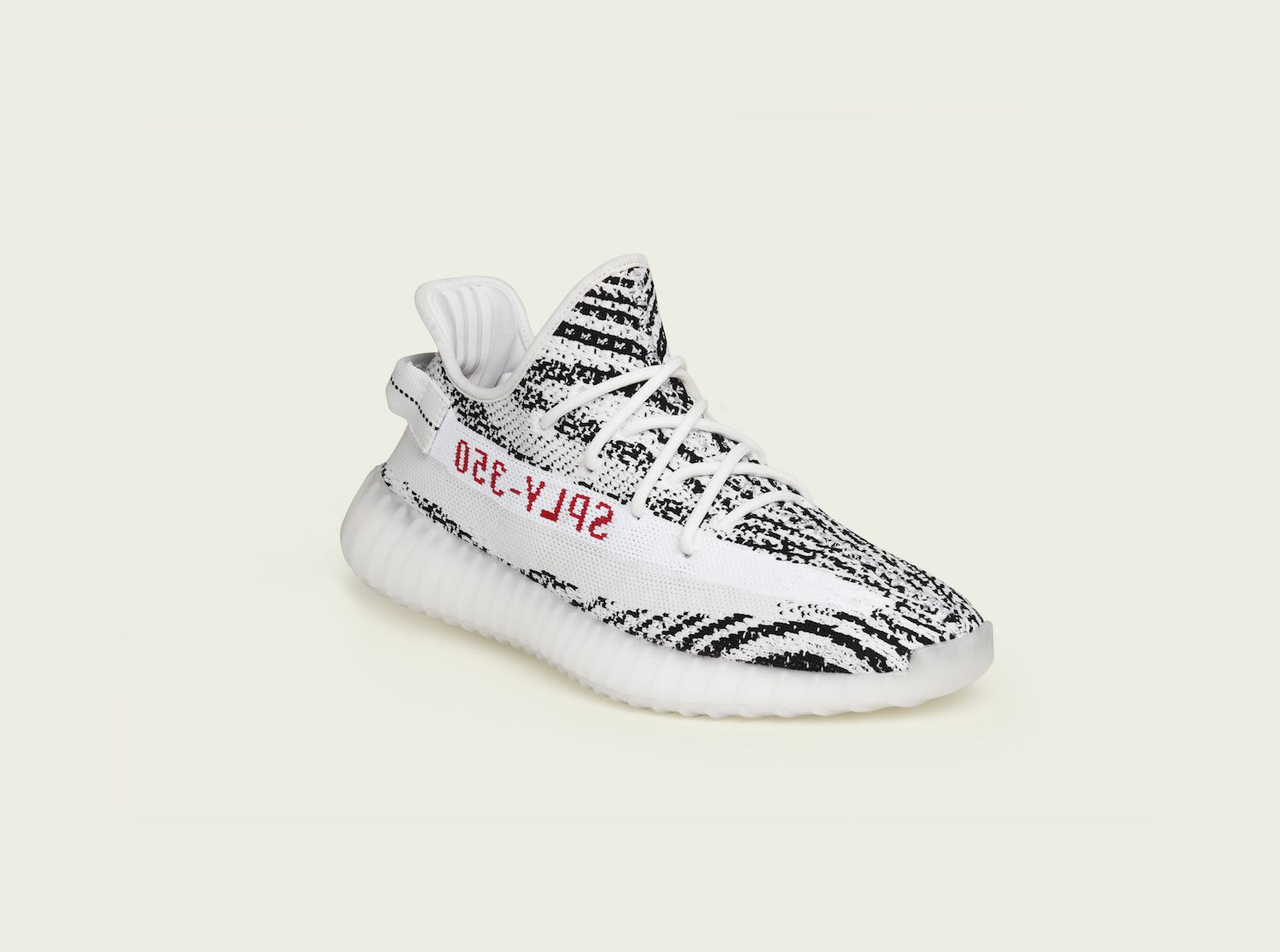
“I can say antisemitic things and Adidas can’t drop me”. This remark came shortly before the company ended its lucrative partnership with him, despite the Yeezy brand being worth an estimated £1.2 billion at the time.
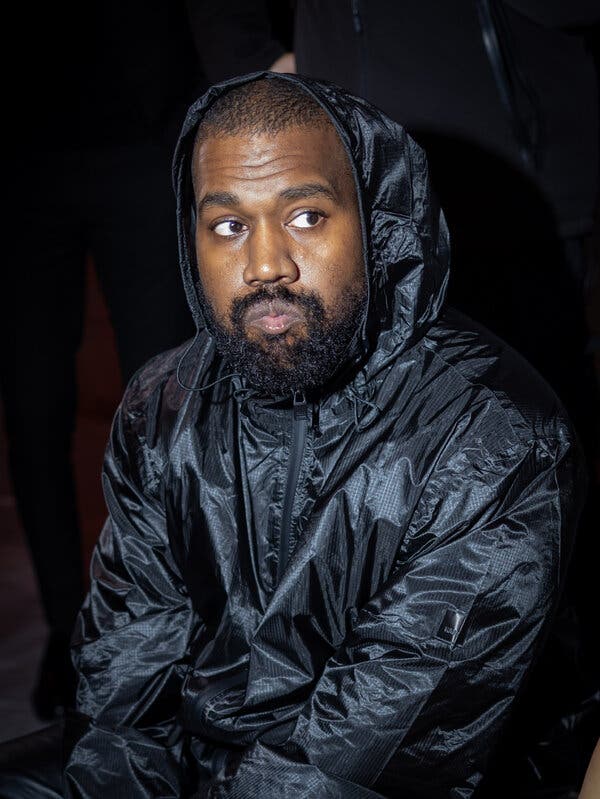
West, 48, also faced backlash after voicing support for one of history’s most hated men, stating “I see good things about Hitler,” and a tweet that read: “I love Hitler. Now what b*tches”. Ye’s ongoing controversial comments have been made in both interviews and online posts, and according to his 2026 apology, his self-professed “reckless” comments coincided with a period of poor mental health. He also attributed his actions to a brain injury sustained in his infamous 2002 car accident.
Whilst his apology, made in a Wall Street Journal op‑ed entitled “To Those I’ve Hurt”, resonated with some, most disregarded it as a disingenuous PR stunt. However, with the return of his shows and crowds still flocking to attend, it has somewhat worked and culminated in his three-day headline at one of London’s biggest and most prominent urban music festivals.

Prime Minister Sir Keir Starmer said earlier that it was “deeply concerning” West was set to headline Wireless.
In comments first reported by the Sun on Sunday, Sir Keir said that West had been booked “despite his previous antisemitic remarks and celebration of Nazism”.
He added: “Antisemitism in any form is abhorrent and must be confronted firmly wherever it appears,” the prime minister said. “Everyone has a responsibility to ensure Britain is a place where Jewish people feel safe.”
The festival, which is due to take place in Finsbury Park, north London in July, has faced ongoing backlash for its decision to headline the rapper. Little Britain’s Matt Lucas, who is of Jewish heritage, criticised the decision, tweeting:
“Have you released a song called ‘Heil Hitler’? Have you sold T-shirts with swastikas on them? Have you promised to go ‘death con 3 On JEWISH PEOPLE’? If so, congratulations! You may be eligible to headline @WirelessFest, sponsored by @pepsiuk.”
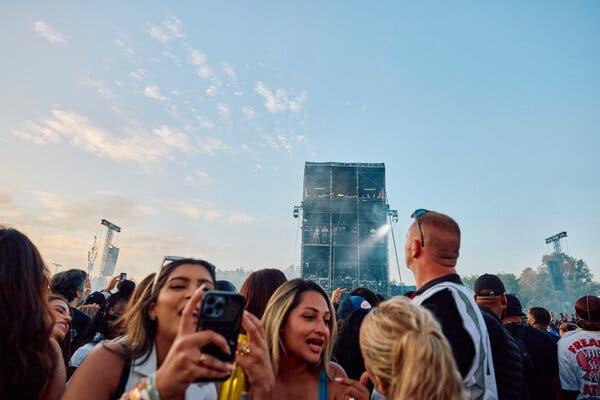
Pepsi responded to the backlash and political criticism by withdrawing their funding for the festival. The company confirmed on 5 April 2026 that “Pepsi has decided to withdraw its sponsorship of Wireless Festival”.
Pepsi has been associated with Wireless for many years: from 2015 until around 2020 the festival carried the branding “Pepsi Max Presents Wireless”, and Pepsi’s involvement has been one of the event’s key corporate partnerships across more than a decade of editions.
While the company did not publicly disclose how much it paid to sponsor the festival, major music‑festival title sponsorships in the UK are typically multi‑million‑pound deals, covering naming rights, branding and promotions over several years, and festival organisers often rely on that funding to help cover large production and talent costs. The loss of Pepsi’s support represents a significant financial and reputational shift for Wireless just months before the event is due to take place between 10–12 July.
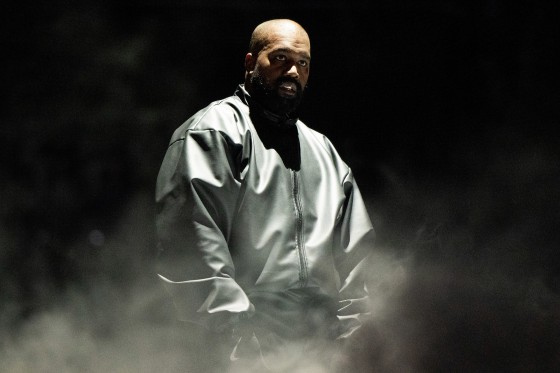
Other sponsors of the event, including Budweiser and PayPal, are being urged to follow Pepsi’s lead as pressure continues to mount on the festival organisers to pull Kanye West from the bill.
%20(1).PNG)


.png)
.PNG)
.svg)
.svg)
.svg)