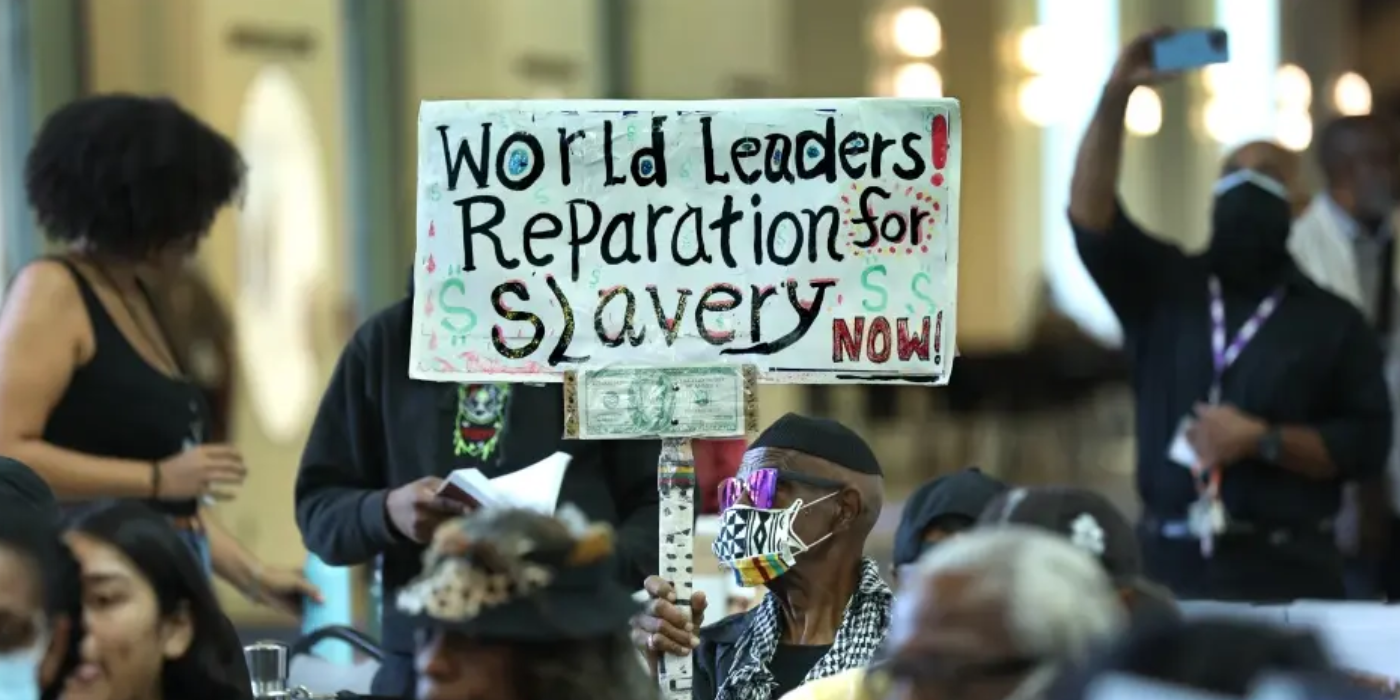

In a historic and highly symbolic move, the United Nations General Assembly has voted to recognise the enslavement of Africans during the Transatlantic Slave Trade as the “gravest crime against humanity.”
The resolution, spearheaded by Ghana, passed with 123 countries voting in favour, marking a major moment in the ongoing global conversation around historical injustice and reparative justice.
However, not every country backed the motion. United States, Israel and Argentina voted against the resolution, while 52 countries abstained, including the United Kingdom.
While resolutions from the General Assembly are not legally binding in the same way as those from the Security Council, they carry significant moral and political weight, often shaping international discourse and influencing future policy decisions.
The resolution does more than acknowledge the past. It also urges nations to consider formally apologising for their roles in the slave trade and encourages contributions towards a global reparations fund, although no specific financial commitments were outlined.
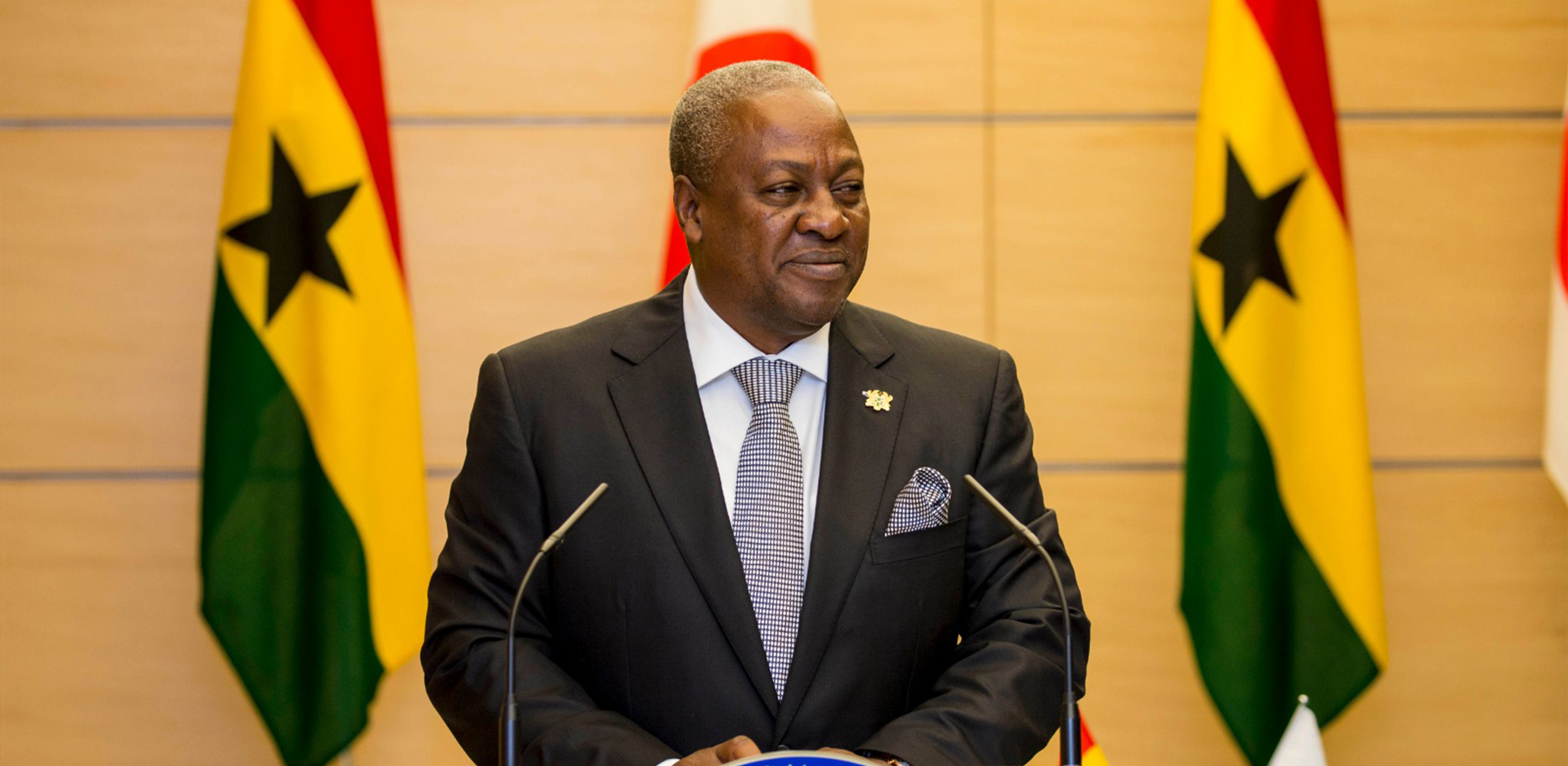
Ahead of the vote, John Dramani Mahama addressed the assembly on behalf of the African Group, the largest regional bloc at the UN, calling for unity in confronting history.
“Today, we come together in solemn solidarity to affirm truth and pursue a route to healing and reparative justice,” he said.
The resolution highlights the scale, brutality and long lasting consequences of the Transatlantic Slave Trade, describing it as a defining rupture in world history that continues to shape modern systems of labour, wealth and inequality.
It also reinforces the idea that reparations are not just symbolic, but a concrete step towards addressing the lasting impact on African nations and the global diaspora.
The moment was met with applause inside the General Assembly Hall, reflecting the significance of the vote for many nations and communities affected by the legacy of slavery.
%20-%201%20(1).PNG)


.PNG)
%20-%201.PNG)
.svg)
.svg)
.svg)