

Several European public broadcasters have announced their withdrawal from the 2026 Eurovision Song Contest after the European Broadcasting Union (EBU) confirmed that Israel would be allowed to take part, following a vote on new rules rather than a direct vote on Israel’s participation itself. The decision has triggered a wave of boycotts from countries citing ethical objections and concern over the war in Gaza and its humanitarian consequences.
According to the news report, Israel will be permitted to compete in Eurovision 2026 after EBU members endorsed a set of tougher rules aimed at protecting neutrality and preventing undue influence in voting, rather than holding a specific vote on Israel’s inclusion.
In response, national broadcasters from AVROTROS in the Netherlands, RTVE in Spain, RTE in Ireland, and RTV Slovenia issued immediate statements confirming they will not participate in the 2026 contest.
.jpeg)
In its formal announcement RTE said:
“RTE feels that Ireland's participation remains unconscionable given the appalling loss of lives in Gaza and the humanitarian crisis there which continues to put the lives of so many civilians at risk.”
Meanwhile AVROTROS stated that “under the current circumstances, participation cannot be reconciled with the public values that are fundamental to our organisation.” RTV Slovenia added that the move represents a protest “on behalf of the 20,000 children who died in Gaza.”
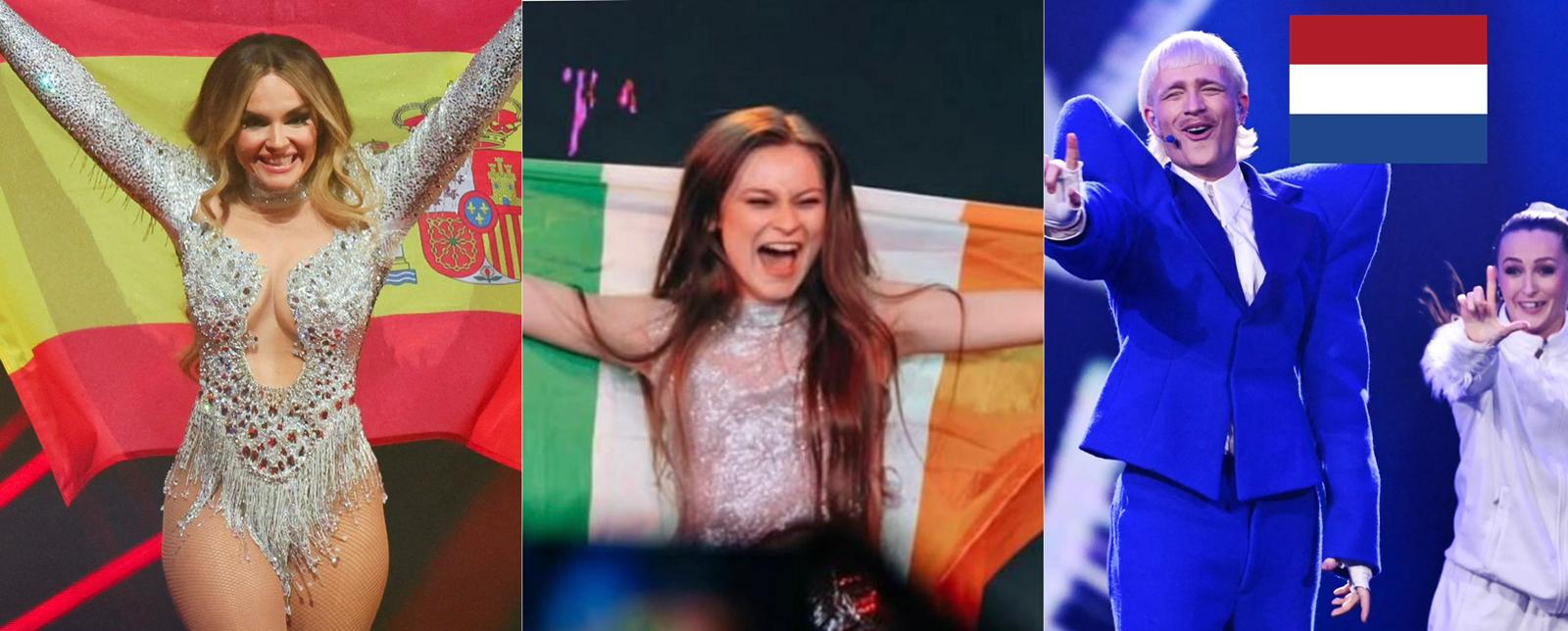
At the EBU general assembly meeting in Geneva members were asked to vote on new rules introduced the previous month rather than directly on Israel’s participation. These changes were meant to reinforce transparency, curb possible state or third‑party interference and restore trust after allegations that Israel’s entry in the 2025 contest had benefited from biased promotion.
A large majority of members backed the reforms, but apparently no decision was taken to block Israel’s participation. As a result, Israel remains in the 2026 line‑up and the broadcasters who had threatened boycotts have proceeded with their withdrawals.

Despite the controversy and withdrawals, some national broadcasters continued to defend Israel’s place in the contest. The 2026 host broadcaster from Austria, which earned hosting rights after its victory in 2025, expressed firm support for allowing Israel to take part. Its director general said the contest is “for broadcasters, not governments”, adding that Eurovision should remain a platform for cultural dialogue, unity and shared appreciation of music across borders.
Leaders of Israel’s public broadcaster, including chief executive Golan Yochpaz and EBU representative Ayala Mizrahi, argued that excluding Israel would amount to a cultural boycott. The Israeli President Isaac Herzog welcomed the EBU’s decision, stating that “Israel deserves to be represented on every stage around the world” and expressing hope that Eurovision continues to promote culture, music and friendship between nations.
The withdrawal of four significant European countries, including one that is a major financial contributor to the contest, marks a serious challenge for Eurovision and raises questions about the unity and inclusiveness the event has long aimed to uphold.
With Austria preparing to host the 2026 contest in Vienna, the absence of Spain, the Netherlands, Ireland and Slovenia is likely to affect both the scale and atmosphere of next year’s event. The EBU’s attempt to balance tighter rules with broad participation has not prevented a clear divide from emerging along political lines. As a result, Eurovision now faces one of its most controversial and potentially defining moments in recent memory.
%20(4).png)


%20-%202.PNG)
%202.PNG)
%20(5).png)
.svg)
.svg)
.svg)