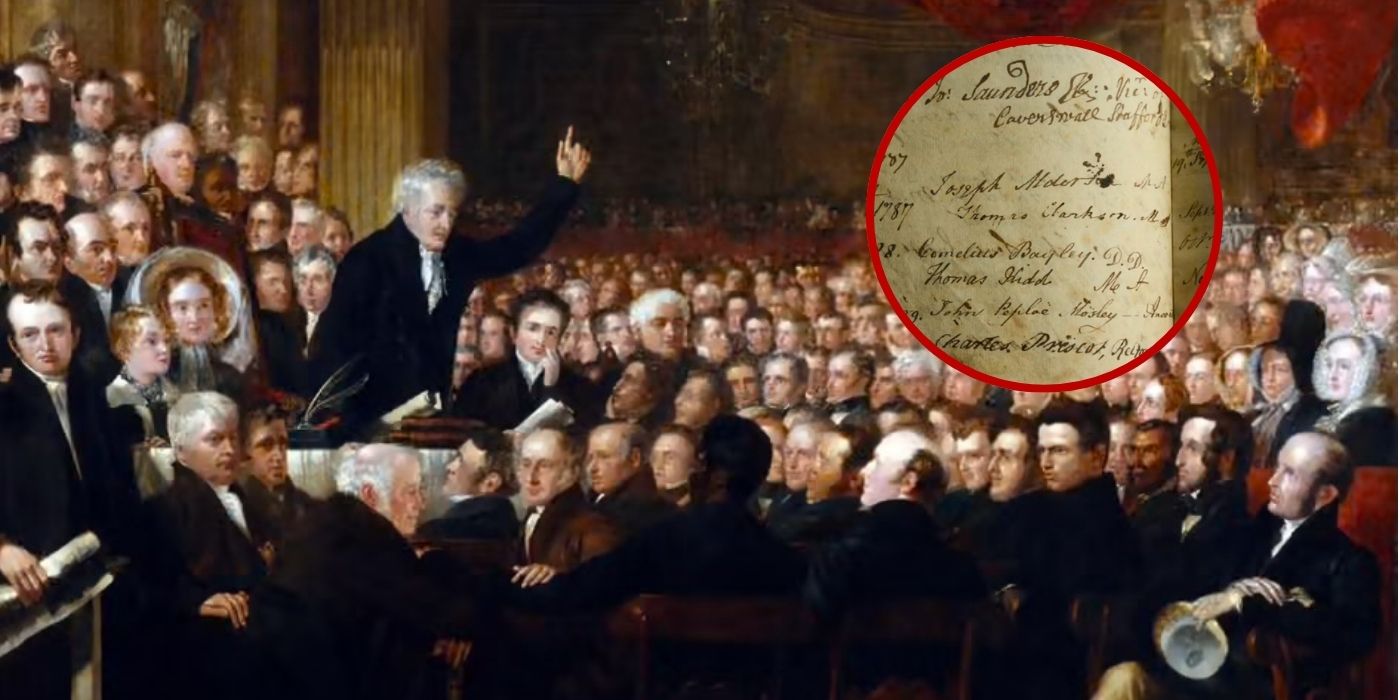

Manchester’s history has deep and multifaceted ties to Britain’s slave trade. Now, records uncovered by Manchester Cathedral have given historians a rare glimpse into the life of an enslaved teenager in Georgian England. Today, that teenager and others like her are set to be honoured by the cathedral.
Today, Manchester is home to more than half a million residents, with a rich culture enjoyed by many. However, many still do not realise just how integral the system of slavery was to the emergence of the Manchester we know today.
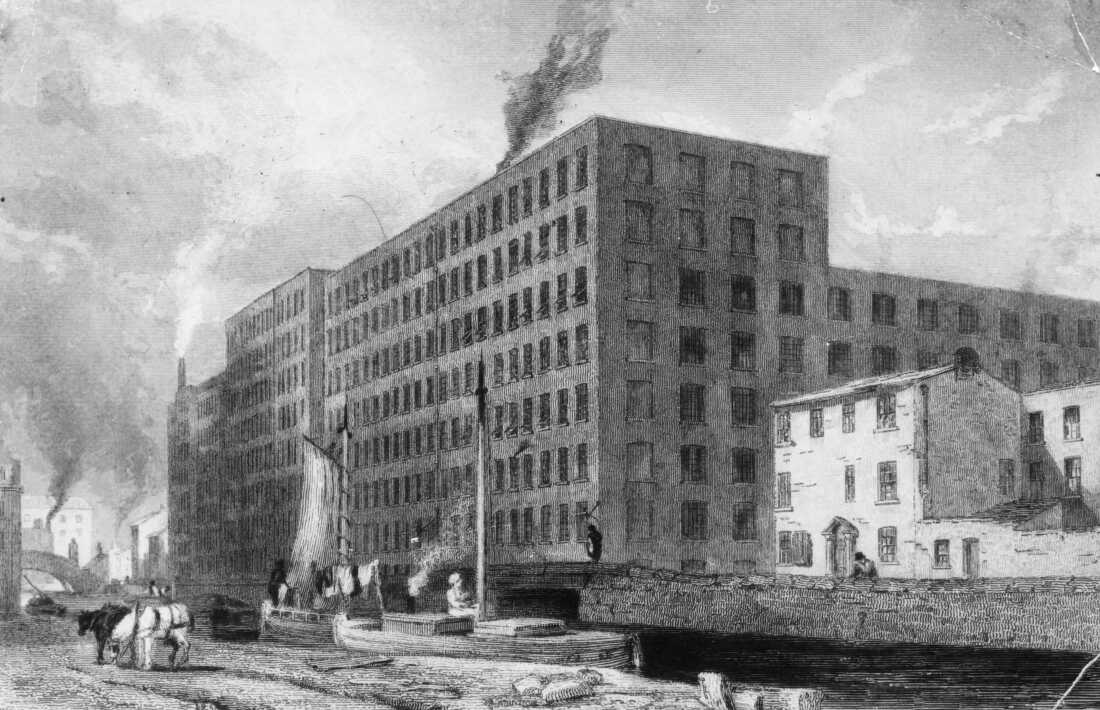
Manchester became the world’s first industrial city, known as “Cottonopolis”, fuelled by the cotton trade and the labour of enslaved Africans. By the late 1700s, the city’s cotton trade was booming on the backs of enslaved labour in the Caribbean and the Americas, while abolitionists such as Thomas Clarkson were also gathering in the city to campaign against the slave trade.
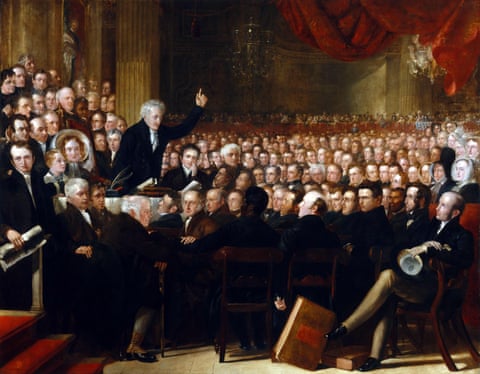
In 1787, abolitionist Thomas Clarkson delivered a landmark sermon at Manchester Cathedral during the city’s first major public gathering opposing the transatlantic slave trade. He later recalled seeing “a great crowd of black people standing round the pulpit”.
For centuries, Manchester Cathedral has preserved records that have helped historians uncover the lives of enslaved Africans and Black residents in Georgian-era Manchester, offering a rare insight into the city’s early Black community.
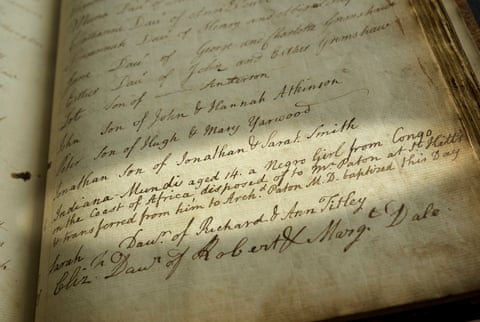
One recently uncovered parish record documents the baptism of Indiana Mundi, a 14-year-old Black girl baptised on 26 December 1798. The handwritten entry states:
“Indiana Mundi, aged 14. A negro girl from Congo on the coast of Africa, disposed of to Mr Paton at St Kitts & transferred from him to Arch.d Paton MD baptised this day.”
Indiana’s baptism reflected changing attitudes among some early Mancunians, as it came at a time when baptism was generally discouraged for enslaved people. As British historian Malik Al Nasir explained: “The argument was that you can’t baptise a thing, you can only baptise a person – and because he’s a person, you cannot treat him as property.”
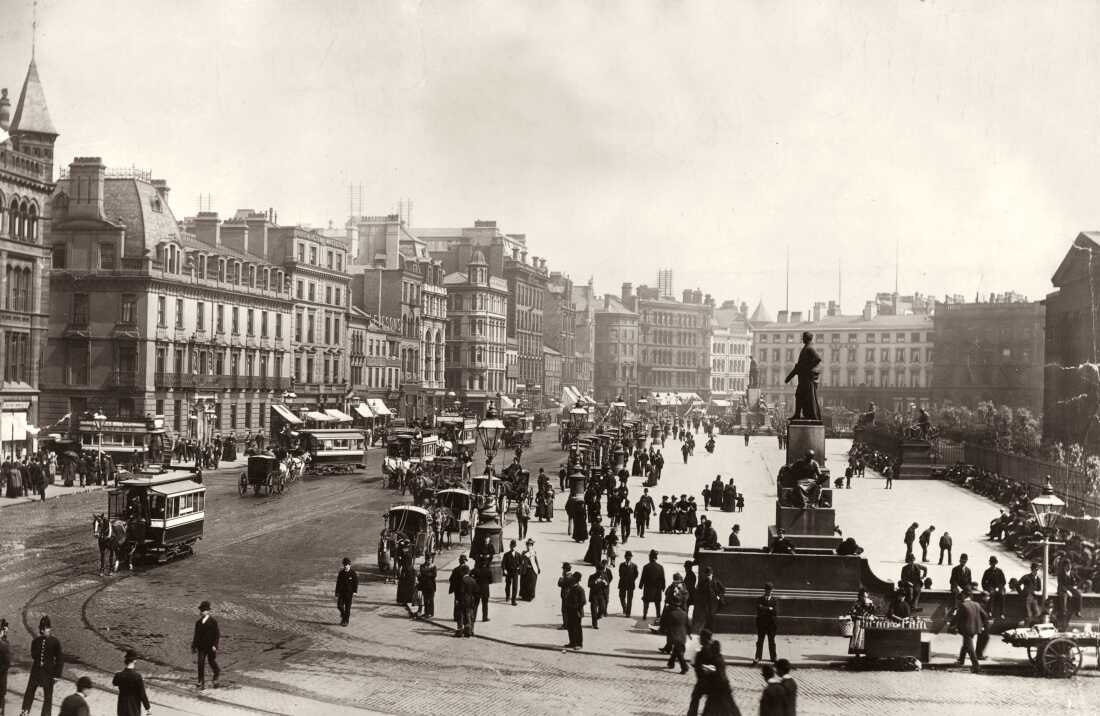
Indiana is believed to have lived in the Paton household after being brought to Manchester, serving Dr Archibald Paton, her enslaver, and his wife Sarah as a domestic servant. Her arrival came at a time when keeping Black servants was viewed by some as a symbol of wealth and status in England. The discovery is significant because so few records survive documenting the lives of Black people in Georgian England, particularly children who had been taken through the transatlantic slave trade.
Indiana’s baptism also came during a period of growing abolitionist activity. In 1787, 20 years before her baptism, thousands of Mancunians signed petitions calling for the abolition of the transatlantic slave trade. More than two centuries later, Indiana’s name is now helping historians uncover the stories of Black Mancunians that were often left out of the history books.
Indiana and other enslaved people who lived in Manchester are set to be commemorated with a new memorial at Manchester Cathedral as part of a Heritage Lottery-funded project. The memorial is due to be unveiled on 28 October during the cathedral’s annual Clarkson Day, which reflects on the legacy of slavery and honours those affected by it.
.png)



.png)
.svg)
.svg)
.svg)