
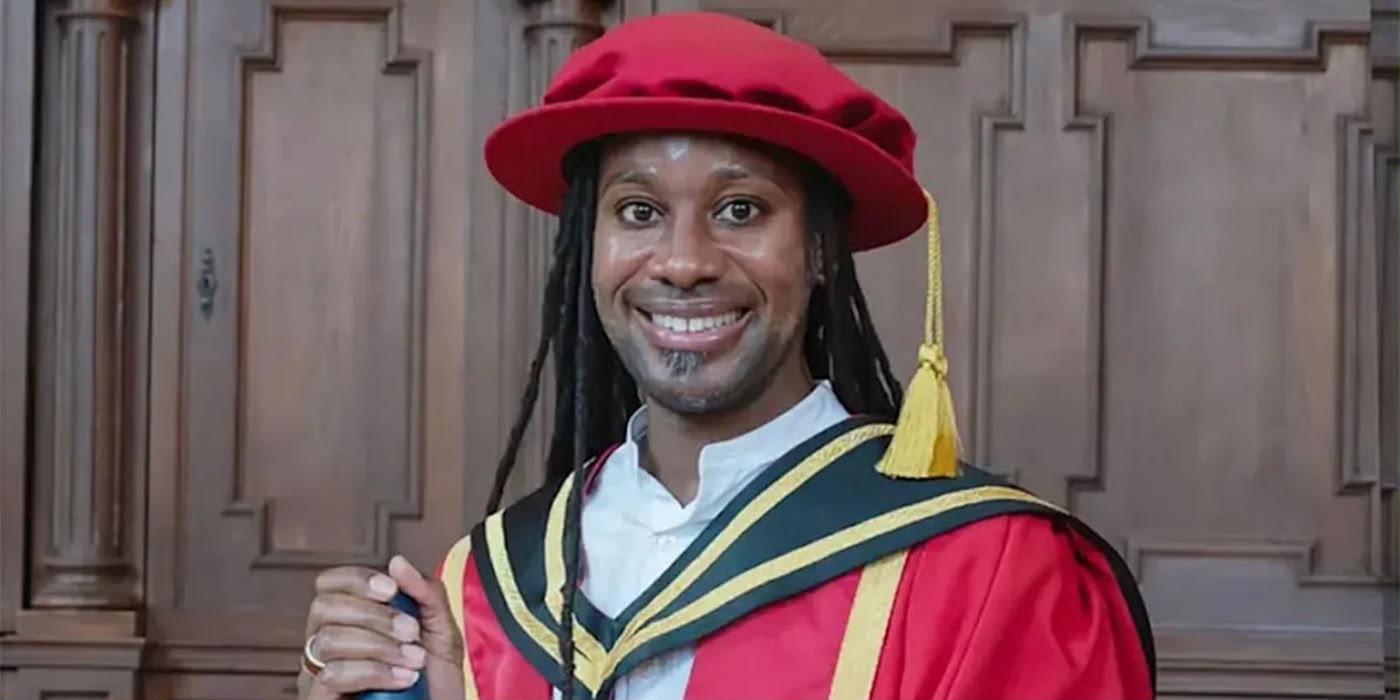

Former University of Cambridge professor Jason Arday has been found dead at the age of 41, just days after resigning from his position amid a growing controversy surrounding allegations about his academic work and professional history.
Arday was found unresponsive at an address in Battersea, south London, on Friday afternoon. The Metropolitan Police confirmed that a 41 year old man had been pronounced dead at the scene after officers were called to the property.
.jpeg)
His death is currently being treated as unexpected, but police have said they do not believe it to be suspicious. His next of kin have been informed and are being supported by officers, while a file is being prepared for the coroner.
The news comes less than two weeks after Arday stepped down from his role at Cambridge, where he had been Professor of Sociology of Education. He made history in 2023 when he became the youngest Black professor ever appointed by the university, an achievement that attracted significant attention both within academia and beyond it.
His appointment was widely viewed as an important moment for representation at one of Britain's most prestigious universities, particularly given the historically low number of Black academics holding senior positions at Cambridge.
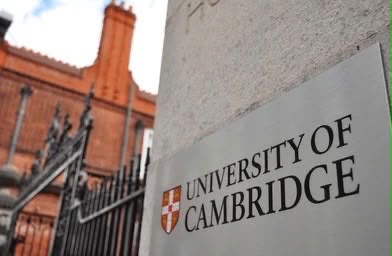
Arday had built an academic career around issues including race, inequality, education and social mobility, having previously held positions at universities including Roehampton, Durham and Glasgow before joining Cambridge. His rise to the university was particularly notable because of the personal story that had accompanied his academic career.
According to biographical information published about him, Arday had been diagnosed with a form of autism spectrum disorder and had previously said he was unable to speak until he was 11 and could not read or write until he was 18. Those aspects of his story were later questioned by people who said they had attended school with him.
Despite the controversy surrounding those claims, Arday went on to study at university, train as a teacher and eventually establish himself as an academic.
His appointment at Cambridge represented the culmination of that career and was accompanied by considerable recognition. However, his position came under intense scrutiny in recent weeks following reports raising allegations of plagiarism in his PhD thesis, which he completed at Liverpool John Moores University in 2015.
.jpeg)
The Daily Telegraph reported that his thesis contained more than 180 passages which were identical or nearly identical to another researcher's work. Arday denied deliberately plagiarising material and had previously maintained that investigations into the allegations had not found academic misconduct.
Liverpool John Moores University had previously investigated the plagiarism allegations and did not uphold the charges, saying the issues were likely the result of what it described as honest and reasonable error. Arday had also rejected accusations of deliberate wrongdoing.
As scrutiny increased, further questions were raised about other aspects of his professional and personal claims. Among the claims that came under examination was an account that he had run 600 miles in six days and raised millions of pounds for charity. His wider biography and professional record were also subjected to increasing scrutiny.
Cambridge subsequently announced that it would conduct an independent investigation into his appointment after receiving what it described as new information concerning his academic qualifications and honorary appointments. That investigation was announced shortly before Arday resigned.
.jpeg)
In his resignation statement, Arday described the decision as deeply painful and made clear that he did not consider his departure to be an admission that the allegations against him were accurate. He wrote:
"While criticism is an inevitable part of academic life, what I have experienced has gone far beyond scholarly disagreement."
"The relentless accusations, speculation and public commentary have taken a profound toll on me and on those I love."
Arday also said his resignation should not "be mistaken for an acceptance of the narratives that have surrounded me".
In a separate statement announcing his departure, he described his appointment to Cambridge as one of the greatest professional honours of his life.
He said:
"It is with profound sadness that I write to resign, with immediate effect, from my position at the University of Cambridge and Jesus College."
He added:
"When I accepted the extraordinary honour of becoming professor of sociology at Cambridge, it was, without question, the greatest professional privilege of my life."
.jpeg)
The circumstances surrounding Arday's death have added a tragic and unexpected development to a story that had already attracted intense public attention.
Police have not suggested a link between his death and the controversy surrounding his academic career, and his death is not currently being treated as suspicious. The Metropolitan Police said:
"Sadly, a 41-year-old man was pronounced dead at the scene."
"His next-of-kin have been informed and are being supported by officers."
"At this time his death is being treated as unexpected, but is not believed to be suspicious."
Arday's death also comes as his memoir, Great And Unfortunate Things, has recently been published in the United States.
The book had been scheduled for UK publication later this month, with Simon & Schuster previously preparing to release it on 27 August. Following the controversy surrounding Arday, there had been calls for its publication to be postponed.
Before the allegations emerged, Arday had become a prominent public figure beyond the university environment. He appeared on television programmes, took part in discussions around education and inequality and was recognised for his work relating to race and social mobility. His appointment at Cambridge had also been significant in the context of the university's efforts to improve representation among its academic staff.
The controversy surrounding his career had therefore raised questions extending beyond Arday himself, including how universities assess senior appointments, how academic credentials are scrutinised and how institutions respond when allegations are made against prominent academics.
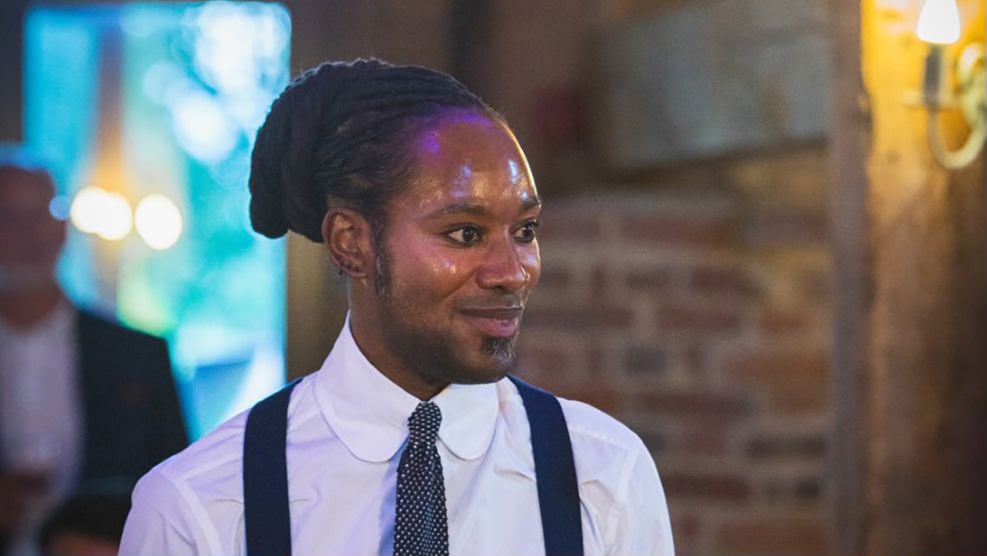
Cambridge had initially defended Arday against what it described as a campaign against him, but later announced the independent investigation after new information emerged. The university's investigation into his appointment will now take place following his death, although it remains separate from the police investigation into the circumstances of his passing.
For those who knew Arday professionally, his death marks the loss of a prominent academic whose career had taken him from teacher training to one of the most prestigious professorships in the country.
He was only 41 and had spent much of his adult life working in education and academia, becoming particularly recognised for research and commentary on race, inequality and access to education.
Whatever the outcome of the various investigations and questions that surrounded the final weeks of his career, the circumstances of his death have brought an abrupt and tragic end to the life of an academic who had made history at Cambridge.
The immediate focus will now be on establishing the circumstances of his death, with the coroner expected to receive a file from police as inquiries continue.
.jpeg)
.png)


%20(1).png)
.png)
.png)
.svg)
.svg)
.svg)