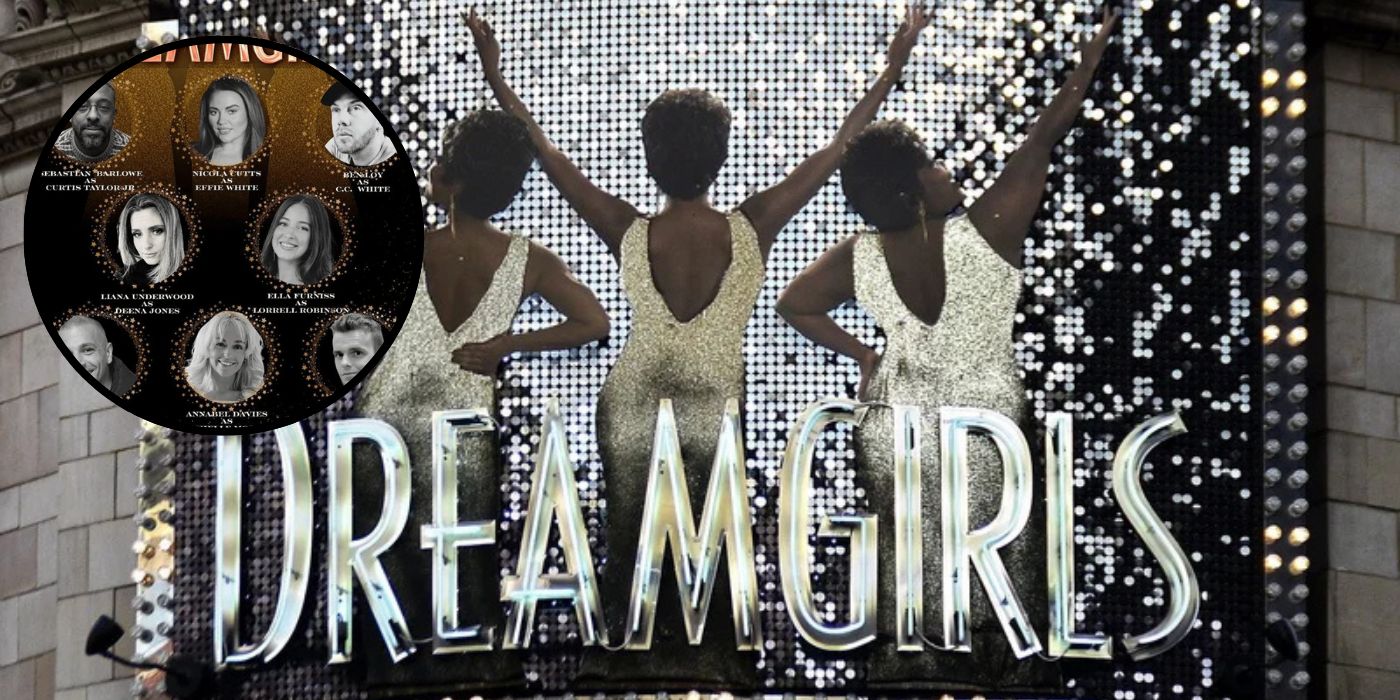

A theatre school's planned production of Dreamgirls has been cancelled after the rights to stage the musical were withdrawn due to concerns surrounding its predominantly white cast. Gillian Banks Theatre School in Maltby, South Yorkshire, had secured permission to stage the hit musical before the licence was later revoked by Concord Theatricals, the company responsible for managing performance rights to the show.
The decision came after concerns were raised regarding the racial makeup of the cast, with reports stating that only one Black performer had been cast in the production.
.jpeg)
Dreamgirls is widely regarded as one of the most important musicals centred on Black American music history. Originally premiering in 1981 before later being adapted into the Oscar-winning 2006 film starring Beyoncé, Jennifer Hudson, Jamie Foxx and Eddie Murphy, the story follows a fictional Black female singing group known as The Dreamettes as they rise to fame during the 1960s and 1970s.
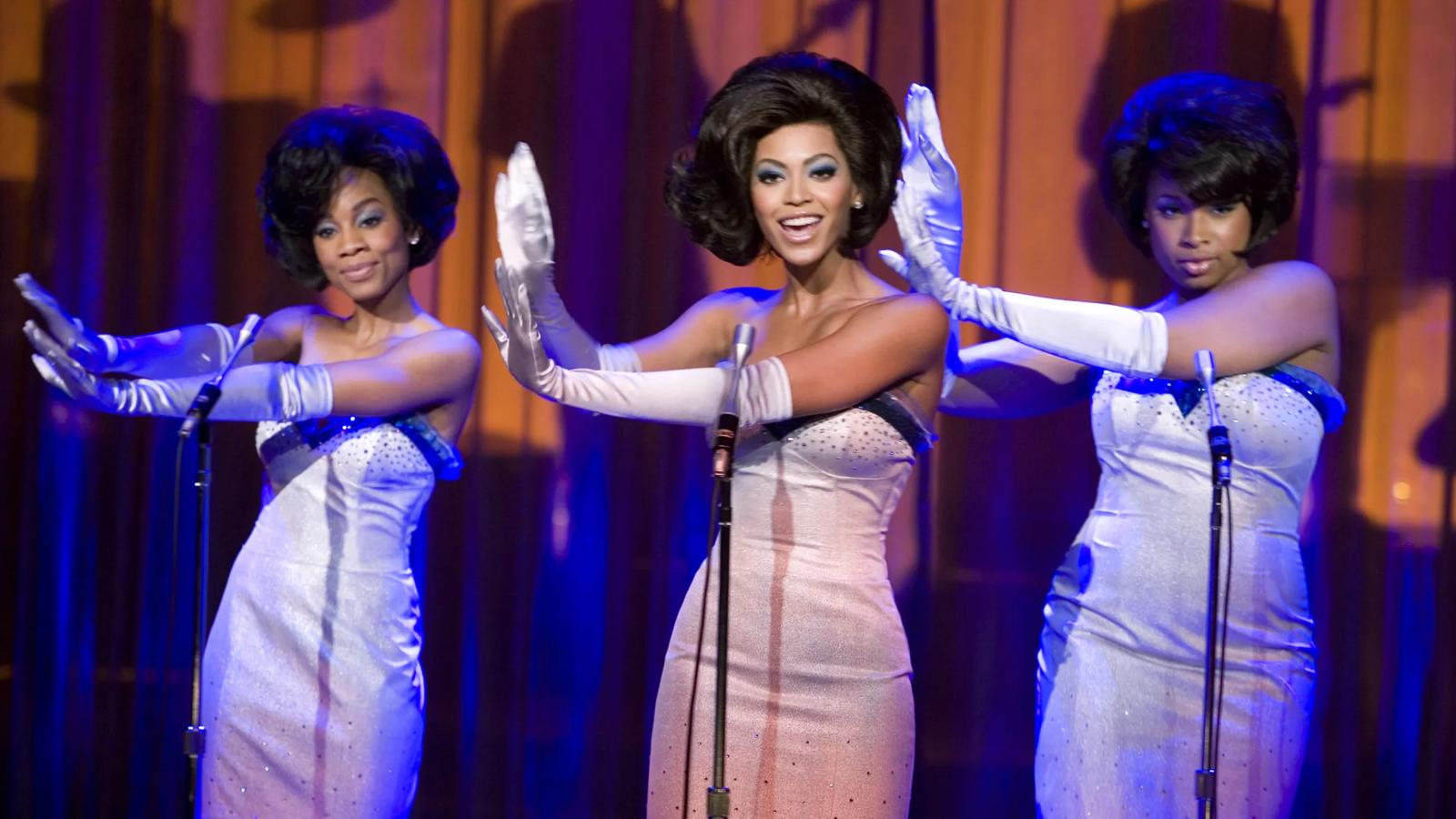
The musical draws heavy inspiration from the experiences of real-life Motown acts, particularly The Supremes, while also exploring racism within the music industry, image politics, exploitation and the way Black artists often saw their work repackaged for wider white audiences. Because of those themes, many critics argued that the production's casting fundamentally changed the meaning of the story.
.jpeg)
Concord Theatricals defended the decision to withdraw the licence, stating that productions of Dreamgirls must accurately reflect the historical and cultural context at the centre of the musical. In a statement sent to the theatre school, the company said:
“Dreamgirls is a show about a time in black American music history when rhythm and blues blended with other styles of popular music, creating a new American sound.”
The statement continued:
“It tells the story of the Dreamettes and celebrates their rise to fame, echoing similar trajectories of iconic black girl and boy groups of the time like the Supremes, the Marvelettes, the Temptations and the Shirelles. Your production should be appropriately cast to represent and reflect these artists and their history.”
.jpeg)
According to reports, Concord initially attempted to resolve the issue by asking for the production to be recast appropriately and also offered alternative musicals from its catalogue. When the casting remained unchanged, the rights were revoked.
The theatre school strongly denied accusations that it had intentionally attempted to whitewash the production. In a statement, representatives said:
“We are just a little dance school in one of the most deprived areas of Rotherham trying to give experiences to our students on a very small scale.”
"The school also insisted there had been “never any intention to ‘whitewash’ this production”.
Addressing criticism surrounding casting decisions, the school argued that auditions were judged on talent rather than race. They said:
“Colour doesn't come into this anywhere for us, because everyone is equal and judged on their talent, the best talent for the character.”
“There was nothing racist about our intentions.”
The theatre school also claimed it had actively encouraged Black performers to audition but struggled because of the demographics of the local area, where census figures show a heavily white population. According to the school, there were not enough Black auditionees to cast the production in the way rights holders expected.
The cancellation has reportedly caused significant disappointment among students who had already spent months rehearsing vocals, choreography and performances.
Following the decision, the school announced plans to replace the production with a variety-style showcase featuring Motown music, musical theatre numbers and jukebox classics so students could still perform the work they had prepared.
The controversy quickly spread across social media, where many users argued that the backlash was understandable given the themes explored within Dreamgirls itself. One person wrote:
“Dreamgirls in based on racism faced in the music industry and the stealing of songs from black artists. The all white cast would make no sense and changes the storyline…”
Another commented:
“How were they planning to address the racial tensions set at the time this play was set??”
A third added:
“Good. They have so many other show options and so many other characters they can play. This industry cannot keep whitewashing stories that are literally ABOUT racism.”
Much of the criticism centred on the fact that race is not simply a background detail within Dreamgirls, but one of the core foundations of the story. The musical examines the barriers Black performers faced while navigating an industry that often profited from their talent while limiting their opportunities and visibility. Many argued that removing that context through casting choices risks undermining the message at the heart of the production.
.jpeg)
At the same time, others defended the theatre school, arguing that community and youth theatre groups often work with limited audition pools and should not automatically be accused of malicious intent.
The debate has since grown beyond one cancelled production and sparked wider discussions across the theatre industry about representation, cultural responsibility and whether some productions should only be staged when performers can accurately reflect the characters and experiences being portrayed.
For now, the students involved will move forward with a replacement show, but the fallout surrounding Dreamgirls has already become a major talking point, with many arguing the situation highlights just how closely casting and storytelling remain connected when productions tackle issues of race, identity and history.
.png)


.png)
.jpeg)
.svg)
.svg)
.svg)