
The BBC is reportedly planning a major shake-up of the licence fee system for the first time in more than five decades, including proposals that could see radio listeners charged, Netflix viewers required to pay, and wealthier households charged more.
The move is said to be aimed at encouraging more Britons to pay the licence fee, as the corporation looks for alternative income streams amid growing financial pressures and claims that previous heavy price hikes have not been sufficient.
In the United Kingdom and across the British Isles, households that watch or record live television broadcasts are legally required to hold a TV licence.
The licence fee was first introduced in 1926 and originally applied solely to radio listeners. In 1946, it was extended to cover television, costing just £2 at the time. By 1971, radio was removed from the licensing system altogether, with fees set at £7 for black-and-white televisions and £12 for colour.
Today, following an annual £5 price increase on 1 April 2025, the annual cost of a TV licence stands at £174.50 for colour and £58.50 for black and white, with a 50 per cent discount available to those who are legally blind. While the cost has risen rapidly over the years, the BBC has not charged for access to its podcasts, radio stations, or other online services for over 55 years.
BBC executives are understood to be drawing up proposals that will be submitted to the government for consideration. According to the BBC, despite a 20 per cent increase in fees over the last decade, these rises have remained below inflation.
Another consideration reportedly under review is expanding the number of households paying the licence fee, with the aim of using new funds to lower the average cost, The Times reported.
The BBC also stated that licences in place across the nation have fallen from 24.1 million to 23.8 million over the past year, as people spend less time watching live television and more time using online streaming services such as Netflix and Amazon Prime. As of early 2025, Netflix was the most-watched TV service in the UK, with roughly 17.6 million households subscribed. Netflix UK’s revenue surged to £1.85 billion last year, an 11 per cent increase from the previous year.

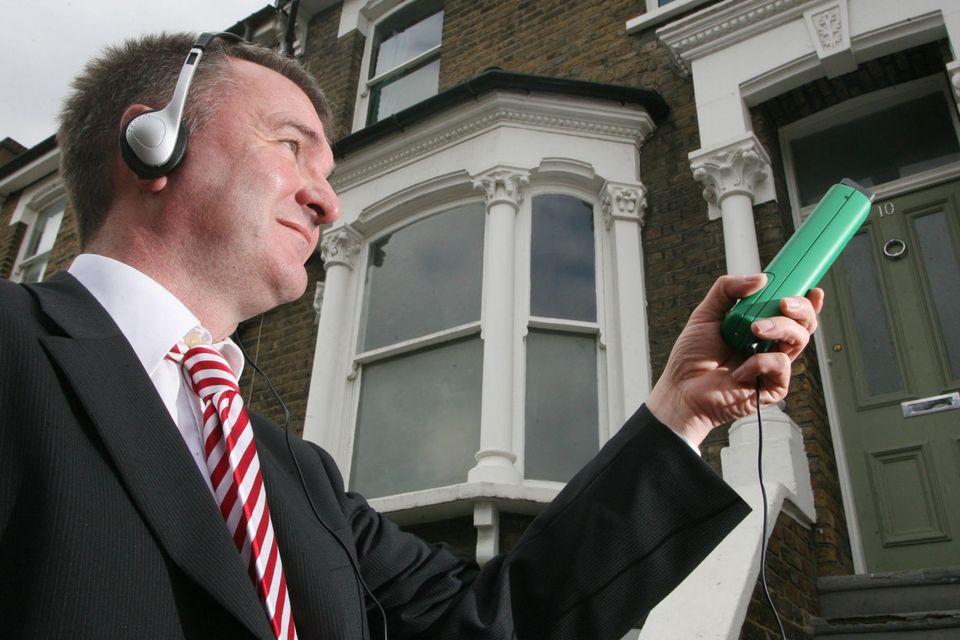
Conversely, the BBC suffered losses exceeding £1 billion last year, driven by a record number of households refusing to pay the licence fee, the Public Accounts Committee has reported. It is now developing iPlayer tracking technology aimed at identifying non-payers, following nearly two million visits to households that had evaded the licence fee. According to a Public Accounts Committee report, door-to-door licence inspections have become largely ineffective, as there is no way to compel residents to answer the door.
A TV Licensing spokesperson said:
“We always look at ways to improve how we collect the licence fee… This includes using the data available to us to get a better understanding of viewing habits and use of BBC services.”
A BBC spokesperson reported:
“As the Green Paper states, the BBC will only be able to deliver for the public if it has a sustainable long-term funding model in place and that means reform… We recognise the cost of living pressures on the UK public, so we are exploring all options for funding the BBC so that we can provide great value to audiences while also being fairer, more modern, and more sustainable.”

The Government has also suggested a subscription-style charge similar to Netflix, or the introduction of advertising, though it is understood that BBC bosses were not receptive to these ideas, but continue to consider several others. A BBC insider responded to the proposed methods, stating:
“Ministers have set out an ambitious agenda of what the BBC should be, and we are open to all ideas that, as the consultation says, ensure the organisation ‘not just survives, but thrives’ in this competitive media landscape.”
%20(1).png)


.png)
.png)
.jpeg)
.svg)
.svg)
.svg)