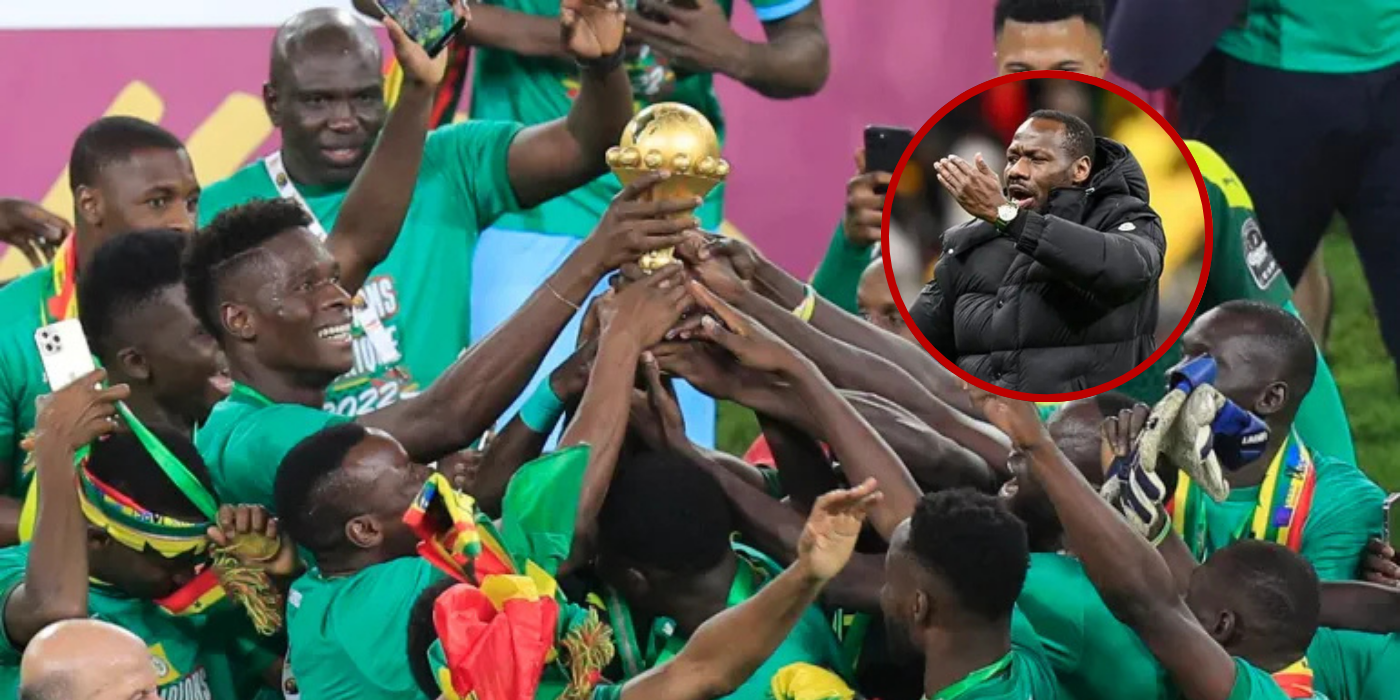

CAF have issued bans and fines following the chaotic AFCON final between Senegal and Morocco, including a five-match ban for coach Pape Thiaw.
The fallout from the Africa Cup of Nations final between Senegal and Morocco has officially landed, and it’s heavy. CAF, the Confederation of African Football, has confirmed a series of bans and fines following the chaotic scenes that unfolded during and after the final, a match that will now be remembered just as much for its controversy as its football.
Senegal head coach Pape Thiaw, has been handed a five-match ban from CAF competitions and fined $100,000. The punishment stems from his decision to instruct Senegal’s players to leave the pitch in protest following a late VAR decision.
CAF ruled that the action constituted unsporting conduct and brought the game into disrepute, making it one of the most severe coaching sanctions handed down in recent AFCON history. While many Senegal supporters believe the reaction was justified given the circumstances, CAF’s stance sends a clear message about protests on the pitch, regardless of context.
The sanctions didn’t stop at the touchline.
On the Senegal side, Iliman Ndiaye and Ismaïla Sarr have both been handed two-match bans for unsporting behaviour directed at match officials. CAF cited confrontations and conduct that crossed disciplinary lines during the heated moments of the final.
Morocco were also hit with punishments. Ismael Saibari received a three-match suspension following incidents involving interference with match equipment, while Achraf Hakimi was given a two-match ban, with one of those matches suspended, meaning it will only be enforced if further offences occur.
Both national football federations were also fined substantial sums for crowd trouble, player conduct, and failures to control matchday behaviour. The final was played in an increasingly tense atmosphere, with frustration over refereeing decisions spilling into fan unrest and extended stoppages that disrupted the flow of the game.
Despite the controversy, Senegal ultimately went on to win the final 1–0 in extra time, but the victory has since been overshadowed by debates around officiating, VAR consistency, and how far teams should be allowed to go when protesting decisions they feel are unjust.
CAF has been clear that all sanctions apply only to CAF-governed competitions. This means the bans will affect Africa Cup of Nations matches, qualifiers, and other continental tournaments, but will not impact players’ or coaches’ eligibility for World Cup qualification or FIFA competitions.
Online reaction has been predictably divided. Some fans argue that CAF’s punishments are excessive and fail to address the root issue of officiating standards. Others believe the governing body had no choice but to act firmly to prevent future walk-offs and maintain authority over the game.
%20(4).png)


%20-%202.PNG)
%202.PNG)
%20(5).png)
.svg)
.svg)
.svg)