
At least 28 anti-migrant vigilante groups have been formed across the UK over the past 18 months, according to an investigation into the growing number of groups taking action against migrants and asylum seekers.
The groups have appeared in locations ranging from Belfast to the south coast of England, with some organising patrols around asylum seeker accommodation, while others have attempted to interfere with migrants crossing the Channel.
The investigation found that 28 of the 31 active groups for which establishment dates could be identified were formed since summer 2025. Researchers tracked the groups through online activity, social media accounts, domain registrations and media reports.
.jpeg)
To be classified as an anti-migrant vigilante group, organisations had to have taken the law into their own hands while specifically opposing migrants or asylum seekers. Conventional protest groups and far-right political parties were not included in the count.
Some of the groups claim they are attempting to protect local communities or fill what they believe are gaps in policing and government action on migration.
One example is Scots Active, which has organised late-night patrols in Glasgow city centre. The group claims its activities are aimed at protecting the public from migrants and has said it wants to improve the safety of women and girls.
Another group, the British Security Project, describes itself as a civilian safety organisation and has promoted what it calls “visible deterrent patrols”, encouraging volunteers to respond to reports of incidents allegedly involving migrants.
The British Security Project has rejected the description of itself as a vigilante or anti-migrant organisation. A spokesperson told the Guardian that the group is committed to “lawful, peaceful and accountable volunteer action” and said it does not have police or immigration enforcement powers.
The spokesperson also said the organisation does not permit people to be targeted because of their nationality or immigration status and prohibits vigilantism, intimidation, racism and unlawful discrimination.
More recently, attention has turned towards Patriot Platform, a new anti-migrant group whose members have been involved in demonstrations around British ports.
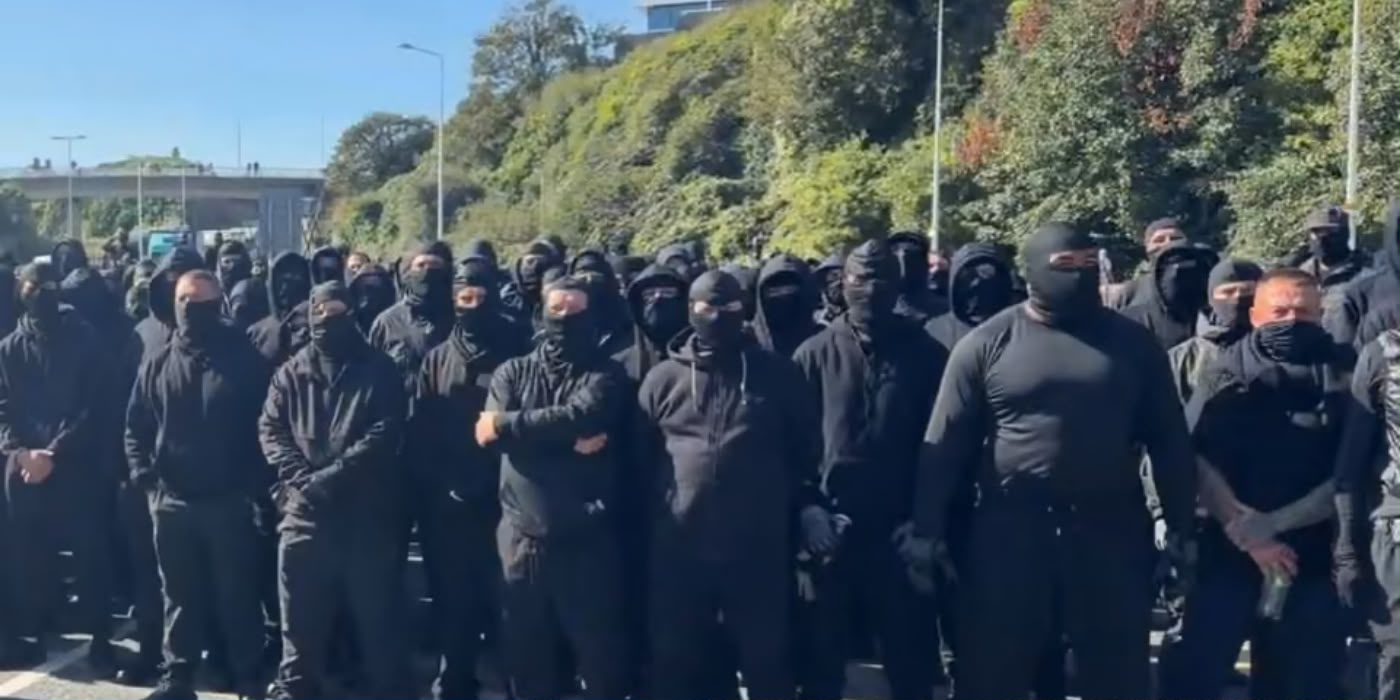
Members of the group blocked roads near Dover for several hours earlier this month, causing disruption to traffic travelling to and from the port. The demonstration involved hundreds of people, many of whom wore black clothing and face coverings.
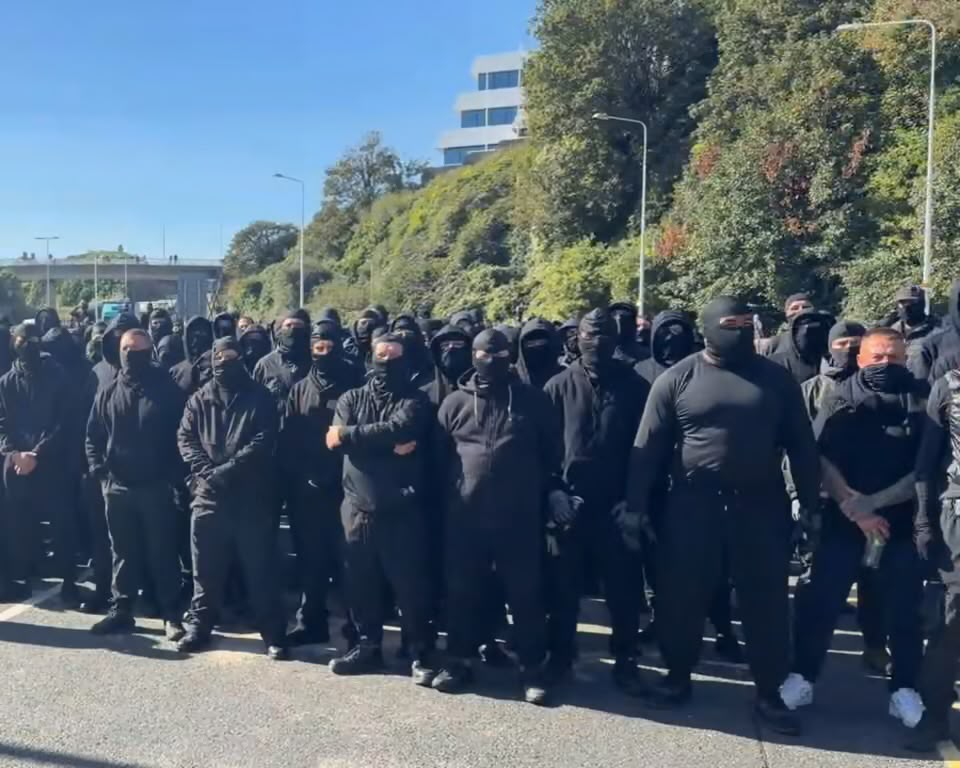
The group also gathered in Portsmouth after asylum seekers rescued from a small boat were brought ashore. Around 200 black-clad men were reported to have gathered in the area, with police later investigating allegations that officers had been assaulted.
The activity has led to increasing concerns about whether some of these groups could contribute to further disorder, particularly as anti-immigration protests have become more frequent in different parts of the country.
The rise has also attracted attention from extremism researchers, who have warned that the growth of vigilante groups represents a change in how parts of the far right are organising at a grassroots level.
Dr Julia Ebner, an extremism expert at the University of Oxford, said many of these groups were built around the belief that authorities were unable or unwilling to protect the public. She warned that this can create a dangerous situation where people begin to believe they should carry out their own policing.
Ebner also highlighted the way some groups use concerns about women and children's safety as part of their messaging, while presenting themselves through uniforms, patrols and security equipment in ways that can create an appearance of authority.
.jpeg)
According to researchers, the visual nature of these groups can also help them attract attention online, with patrols and demonstrations providing content that can be shared across social media. Alex MacKinnon, a researcher at Hope Not Hate, said vigilantism had been associated with far-right activism for years but that there had been a significant increase in grassroots activity during the last 18 months. He also raised concerns about the lack of proper vetting within some groups, claiming that several members had subsequently been exposed as having violent criminal histories.
The National Police Chiefs’ Council has also warned against members of the public attempting to take enforcement into their own hands.
A spokesperson said:
“Police officers are specially trained to respond to a wide range of incidents safely and lawfully. While we understand people may want to protect their communities, taking enforcement into your own hands can be dangerous, and could compromise a police investigation.”
The comments come as the government faces continued pressure over immigration and the number of people crossing the English Channel in small boats.
Home Secretary Shabana Mahmood has urged police forces to make full use of their existing powers to deal with groups involved in disorder and intimidation.
The issue has also prompted a wider debate about what drives people towards anti-migrant movements. Some argue that people joining these groups are being encouraged to blame migrants for wider social problems, including pressure on housing, public services and local communities.
One commenter reflected that view, arguing that those involved should not simply be mocked or dismissed, but instead challenged over the information and political messaging they have been exposed to. They wrote:
“There's a nuance between demographic academic achievement and people that eat up this political crap. These people dont need ridiculing they need guidance/ educating that they are being lied to and robbed by the people above potting fingers, if something doesn't make sense follow the money and you'll see who's really to blame..”
Another person questioned whether the groups' focus on protecting women and children was consistent with the backgrounds of some people involved in the wider far-right movement.
They commented:
"These guys would be better off realising they have more in common with anyone crossing the channel than the millionaires funding their little movements...sure women and children's safety unless it's them doing the abusing.”
The comments reflect the growing disagreement over how the recent increase in anti-migrant activity should be understood, with some people supporting tougher action on immigration, while others are concerned that organised vigilante activity could create further hostility and disorder.
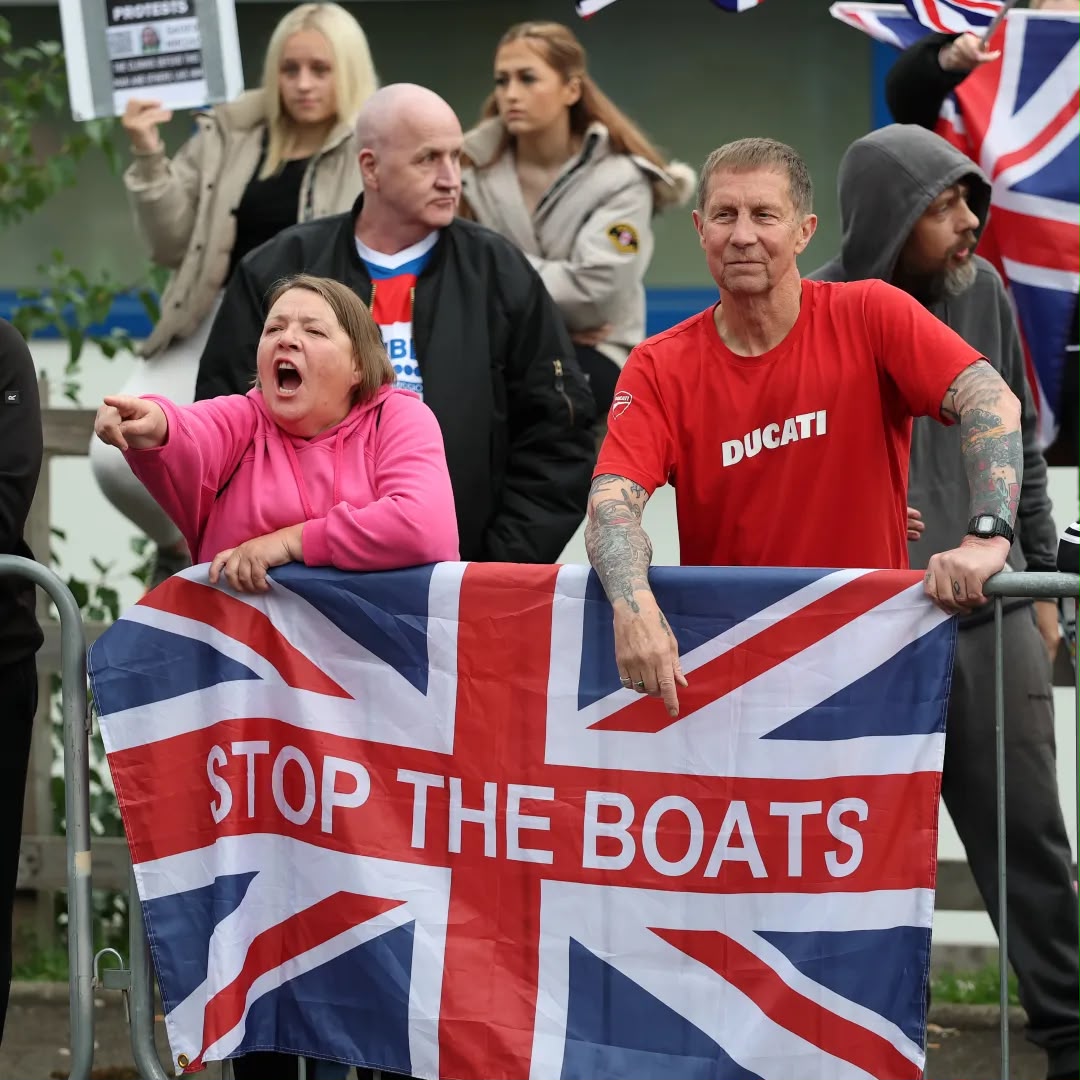
With at least 28 groups established in just 18 months, the latest figures suggest the movement is no longer limited to isolated demonstrations. Instead, a network of groups has developed across different parts of the UK, using patrols, protests and social media to promote their causes.
Police and extremism researchers have warned that regardless of the intentions claimed by individual groups, civilians attempting to take enforcement into their own hands can create risks for migrants, local communities, police officers and ongoing investigations.
.PNG)


.jpeg)
.jpeg)
.jpeg)
.png)
.svg)
.svg)
.svg)