%208.PNG)

More than 100,000 British nationals have registered with the UK government for emergency assistance and travel updates as tensions linked to Iran’s escalating military activity continue to destabilise the Middle East.
The unprecedented number of registrations highlights the growing anxiety among British citizens living, working, or travelling across the region. The UK Foreign, Commonwealth and Development Office (FCDO) has urged British nationals in several Middle Eastern countries to register their presence so they can receive timely safety alerts, evacuation guidance if necessary, and real-time updates on the security situation.
Countries where British citizens have been encouraged to register include Bahrain, Israel, Kuwait, Qatar, the United Arab Emirates, and the Palestinian territories. These areas host large British expatriate communities, including professionals working in finance, education, healthcare, construction, and energy industries.
Government officials say the scale of the registrations is unusually high and reflects a rapidly evolving security situation. Registration schemes are typically activated during major international crises such as wars, terrorist threats, or natural disasters, but the current numbers suggest a level of concern rarely seen in recent years.
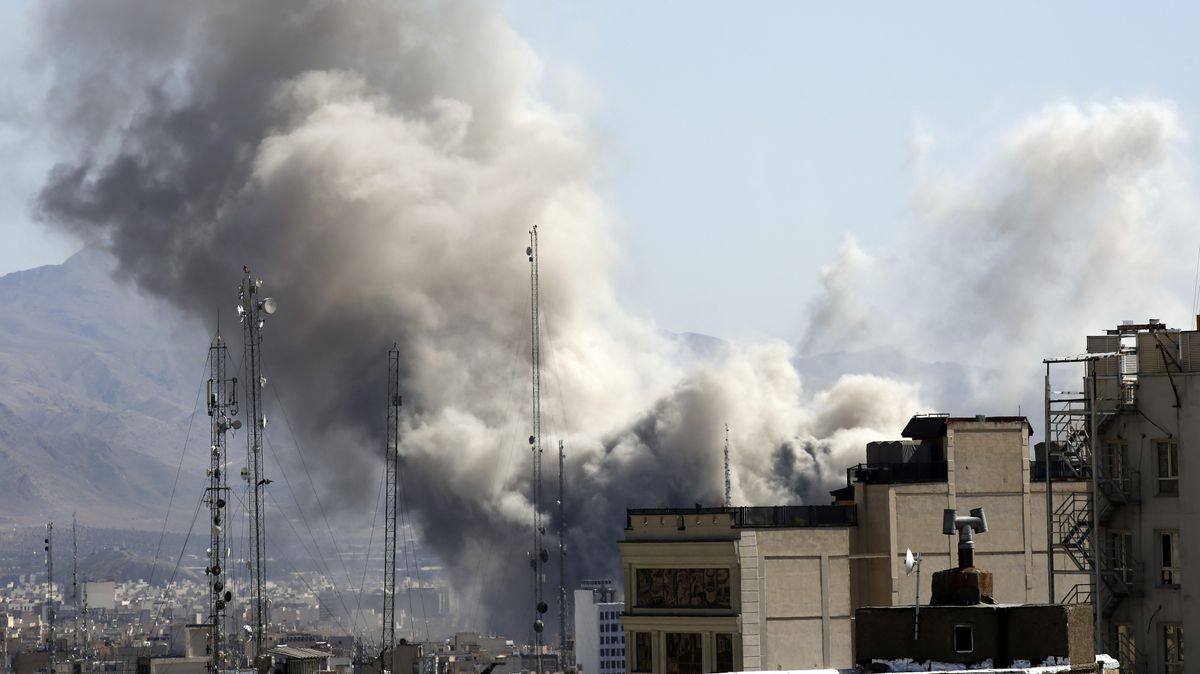
The surge in registrations comes amid heightened tensions involving Iran and several regional actors. Recent military activity and retaliatory strikes have increased fears of a wider regional conflict, raising concerns about aviation safety, shipping routes, and civilian security.
Iran has long been involved in a complex network of regional rivalries involving Israel, Gulf states, and Western allies. Military confrontations, whether direct or through proxy forces, have periodically destabilised the region, but recent developments have raised fears of escalation beyond previous limits.
Security analysts warn that strategic infrastructure such as airports, ports, and energy facilities could become potential targets if tensions intensify. The Middle East remains one of the world’s most important energy-producing regions, and any disruption could have global economic consequences.
The Middle East is home to a significant British population. Estimates suggest that hundreds of thousands of UK nationals live across the Gulf states alone, particularly in the United Arab Emirates and Qatar. Thousands more travel through the region each week for business or tourism.
Dubai and Abu Dhabi are among the most popular destinations for British expatriates, while Qatar hosts a large number of UK professionals working in engineering and international business. Bahrain and Kuwait also maintain sizeable British communities, often connected to financial services and oil production.
Many British nationals rely on government travel alerts to make decisions about personal safety and travel plans. The registration system allows authorities to contact citizens directly in case of emergencies such as airspace closures or evacuation operations.
The registration system is designed to allow the UK government to:
Officials stress that registration does not automatically mean evacuation will occur. Instead, it allows authorities to plan contingency measures and maintain communication with British nationals should conditions deteriorate.
In previous international emergencies, including conflicts and natural disasters, similar systems have enabled rapid coordination between governments and citizens abroad. The current scale of registrations suggests a significant level of precaution among UK nationals in the region.
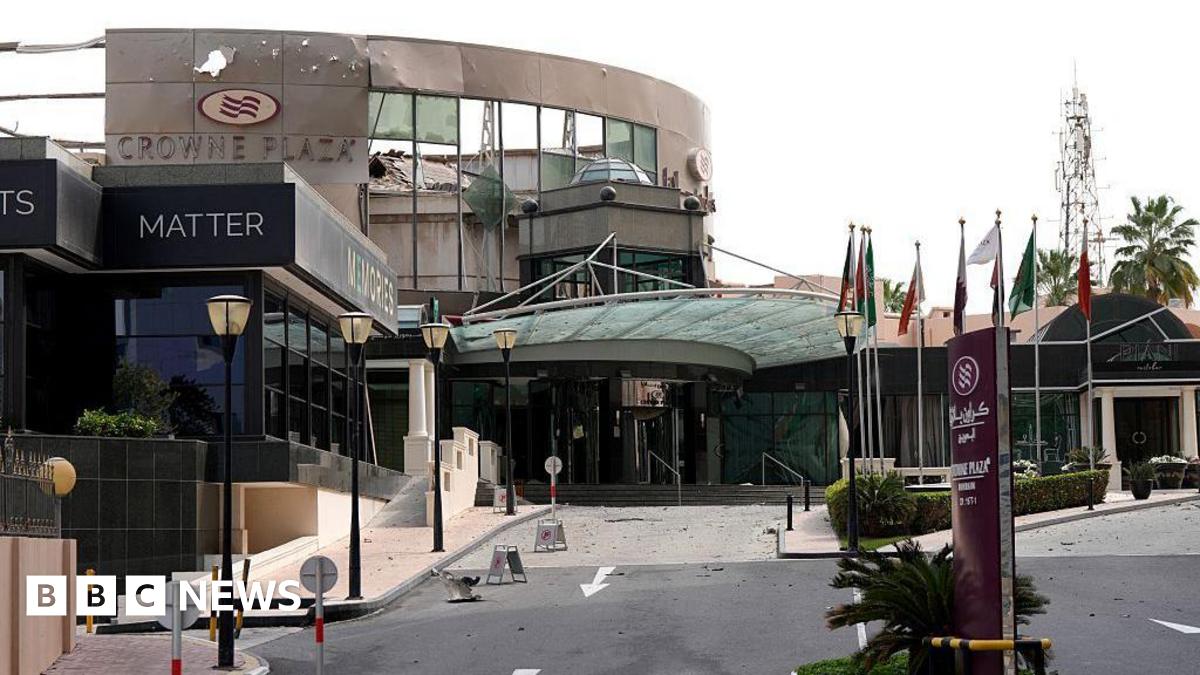
The Foreign Office regularly updates travel advice for countries experiencing instability. Current warnings emphasise the potential for sudden changes in security conditions, including missile or drone activity, protests, or transport disruption.
Air travel routes across parts of the Middle East have already been affected by security concerns. Airlines sometimes reroute flights to avoid conflict zones, which can lead to delays and increased travel costs.
Shipping routes through key waterways such as the Strait of Hormuz are also closely monitored due to their strategic importance for global oil supplies. Any disruption could affect international markets and energy prices.
UK authorities say they are closely monitoring developments and remain in contact with regional governments and international partners. Diplomatic missions across the Middle East have increased readiness levels to support British citizens if needed.
Embassies and consulates have reviewed contingency plans, including emergency staffing and communication procedures. Crisis response teams in London are also prepared to coordinate assistance if the situation worsens.
Officials have emphasised that British nationals should remain vigilant, follow local guidance, and ensure their travel documents are valid and easily accessible.
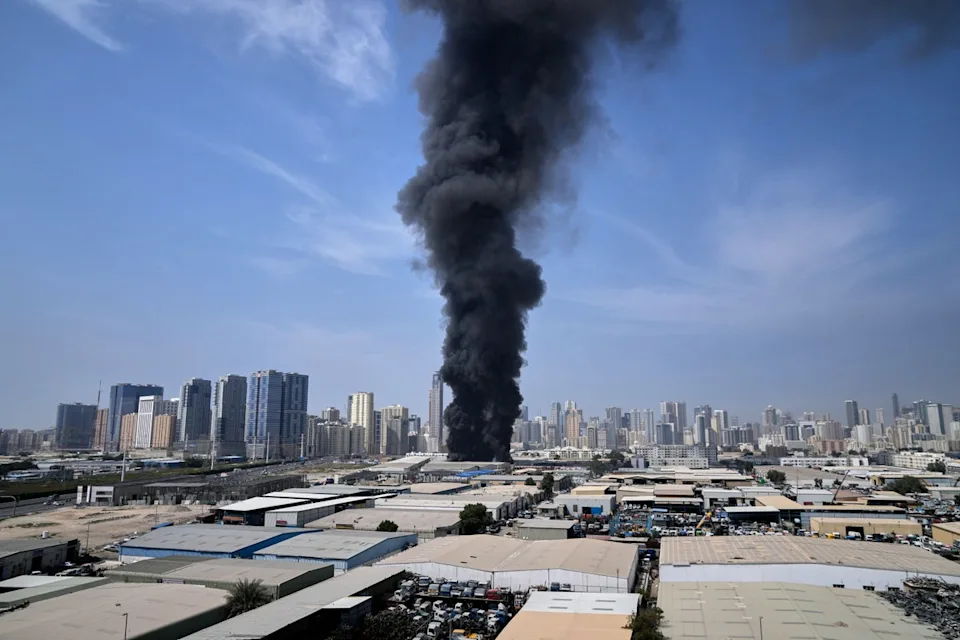
International observers warn that continued escalation could increase the risk of broader instability. The Middle East plays a central role in global trade, aviation routes, and energy production, meaning any conflict could have worldwide implications.
While diplomatic efforts continue to reduce tensions, governments across Europe and North America are advising citizens in the region to stay informed and prepared.
The large number of Britons registering for assistance reflects a cautious approach from citizens who want to remain informed and protected during an uncertain period.
As the situation develops, officials say further guidance will be issued to ensure British nationals in the region remain safe and supported.
.png)


.png)
.png)
.png)
.svg)
.svg)
.svg)