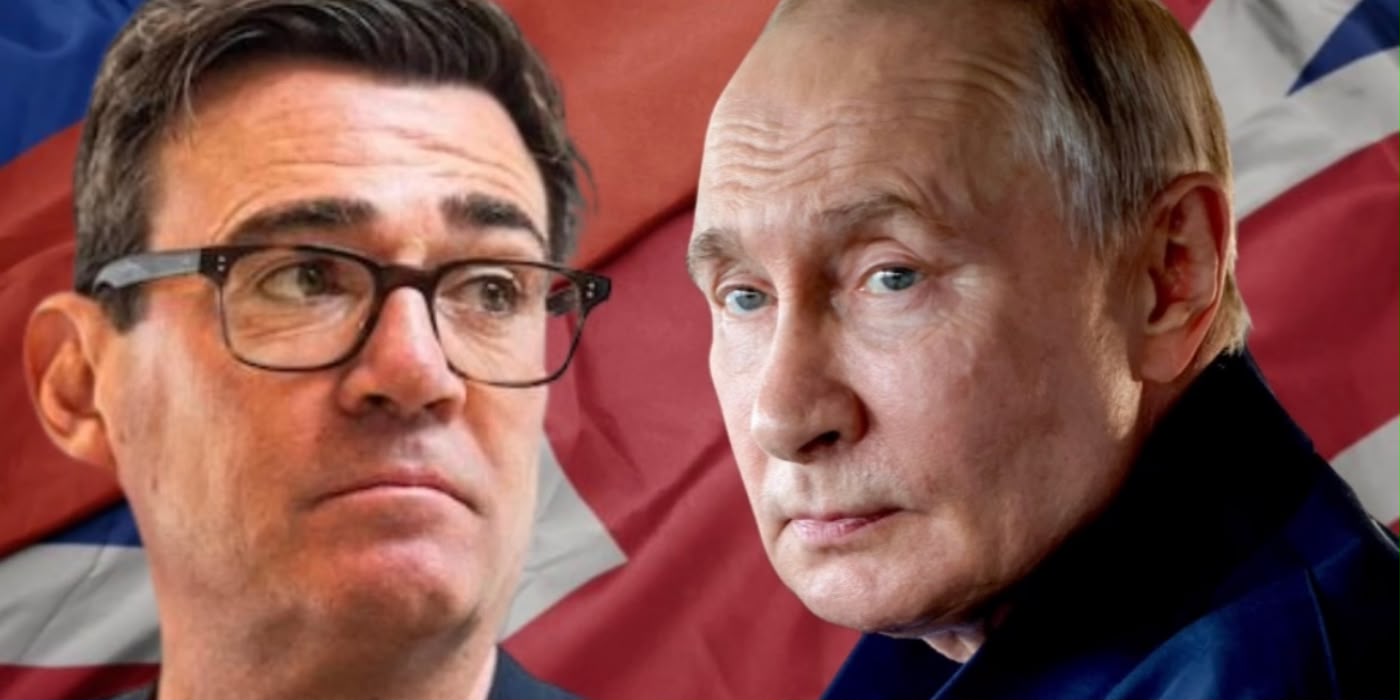

Russia has warned Britain it could face “consequences” over reports that British-made drones have been used by Ukraine in strikes deep inside Russian territory. Prime Minister Andy Burnham has rejected the warning, insisting the UK will continue supporting Ukraine. As tensions rise, here is what sparked the latest confrontation and what it could mean for Britain.
Relations between Britain and Russia have become increasingly strained following Russia’s full-scale invasion of Ukraine in February 2022, with the UK among Kyiv’s most prominent Western supporters.
The latest escalation follows reports that Ukrainian forces have been using long-range drones manufactured by British companies in attacks against targets deep inside Russia. The reports have not been fully confirmed by the UK Ministry of Defence, but Moscow has reacted strongly to the claims.
Russia’s embassy in London accused Britain of deliberately escalating the conflict and suggested that the UK was effectively using Ukraine to put pressure on Russia.
In a statement, the embassy said,
“London’s actions will inevitably carry consequences for which it will have to answer.” It also warned that the deeper Britain becomes involved in the conflict, the greater the potential cost could be.
The comments represent the latest in a series of warnings from Moscow directed towards Western countries supplying Ukraine with weapons and military equipment.
.jpeg)
Drone warfare has become one of the defining features of the conflict between Russia and Ukraine.
Ukraine has increasingly relied on long-range drones to strike targets far beyond the front line, including military infrastructure, energy facilities and other sites it says are connected to Russia’s war effort.
According to recent reporting, British-made drones have reportedly been used as part of Ukraine’s increasingly long-range campaign inside Russian territory. The development is significant because it highlights how equipment supplied or manufactured by Western countries can play a role in attacks well beyond Ukraine’s borders.
The UK Government has not confirmed the specific reports about British-made drones being used in the strikes.
.jpeg)
However, Britain has made a substantial commitment to supplying Ukraine with drones. Reuters reported that the UK has committed to providing 150,000 drones by the end of 2026 as part of a £752 million package of military support.
Russia has argued that this type of military assistance means Western countries are becoming increasingly involved in the conflict.
Despite Moscow’s warning, Prime Minister Andy Burnham has made clear that Britain does not intend to change its position on supporting Ukraine.
Speaking after the Russian warning, Burnham said Britain would support Ukraine “100 per cent” in its defence against Russia.
He described the UK’s position as consistent with what previous British governments have said throughout the conflict, adding that Britain was providing support so Ukraine could defend itself against what he described as an illegal war led by Vladimir Putin.
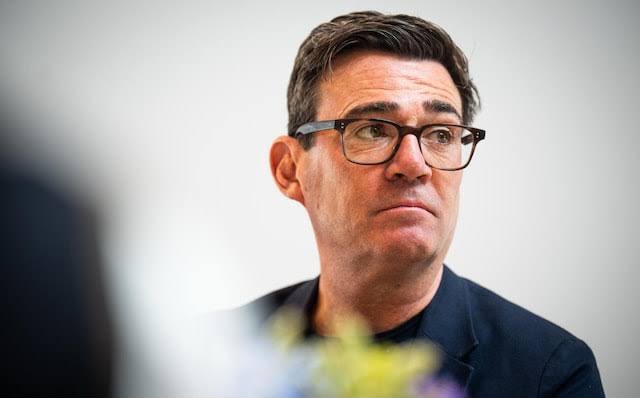
Burnham also stressed that Britain would not abandon Ukraine when it needed support.
“We are not fair-weather friends. We will be there in Ukraine’s hour of need, and that won’t change,” he said.
The Ministry of Defence has taken a similarly firm position.
An MOD spokesperson said, “Britain stands shoulder to shoulder with Ukraine”, adding that the UK remained committed to providing the equipment Ukraine needs to defend itself against Russia’s invasion.
Despite the increasingly hostile language being exchanged between London and Moscow, Britain is not at war with Russia.
The UK is supporting Ukraine through military equipment, funding, training and other assistance, but that is different from British forces directly entering the war against Russia.
The latest Russian warning also does not amount to a declaration of war or confirmation that Moscow intends to launch a military attack against Britain. However, Russia has repeatedly argued that Western military assistance is bringing NATO countries closer to direct involvement in the conflict. Russian Foreign Minister Sergei Lavrov has also suggested that Moscow could regard direct British involvement in strikes as participation in the war.
That distinction is important because Britain is a NATO member, meaning any direct attack on the UK would carry much wider implications for the alliance and its members.
.jpeg)
One of the biggest developments in the conflict has been Ukraine’s growing ability to conduct long-range attacks inside Russia.
Recent attacks have demonstrated that the fighting is no longer confined to areas close to the Ukrainian battlefield. Ukrainian forces have increasingly targeted sites within Russia, while Moscow continues to launch missile and drone attacks against Ukraine.
Reuters reported that Russia said it had shot down hundreds of Ukrainian drones during a major wave of attacks in August, while Ukrainian forces have also claimed strikes against Russian military and industrial targets.
The increased use of long-range drones has therefore created another layer of tension between Russia and the countries helping Ukraine.
For Moscow, the involvement of Western-made technology in attacks inside Russia is being presented as evidence that Western nations are becoming more deeply involved.
For Britain and its allies, however, the argument remains that Ukraine has the right to defend itself against Russia’s invasion.
Russia has not specified exactly what it means by the warning that Britain will face “consequences”.
That leaves open the question of what Moscow could actually do. Any response could potentially take a diplomatic form, while Britain has previously warned about Russian activity including cyber threats, espionage and other forms of hostile activity.
The UK Government has identified Russia as a major national security threat, while Britain and its allies have continued to strengthen their defences and cooperation in response to Moscow’s actions. There is currently no confirmed indication that Russia is preparing a direct military attack on Britain as a result of the latest dispute.
.jpeg)
That does not mean the warning can simply be dismissed, particularly given the wider deterioration in relations between Russia and Western countries since the invasion of Ukraine.
For now, Britain’s position appears unchanged.
Despite Russia’s warning, the UK says it will continue helping Ukraine defend itself and has shown no indication that Moscow’s threats will cause it to withdraw its military support.
The latest dispute demonstrates how the war in Ukraine continues to have consequences far beyond the battlefield, particularly as Western weapons and technology become increasingly important to Ukraine’s ability to strike Russian targets.
For Russia, that support represents growing Western involvement. For Britain, it remains part of its commitment to helping Ukraine resist the invasion.
As Burnham put it, Britain will continue to support Ukraine “100 per cent”, despite the warning from Moscow.
The immediate concern is therefore not that Britain and Russia have entered a direct war, but that continued military support, long-range strikes and increasingly aggressive rhetoric could create further opportunities for tensions to escalate.
.png)


.png)
.png)
.png)
.svg)
.svg)
.svg)