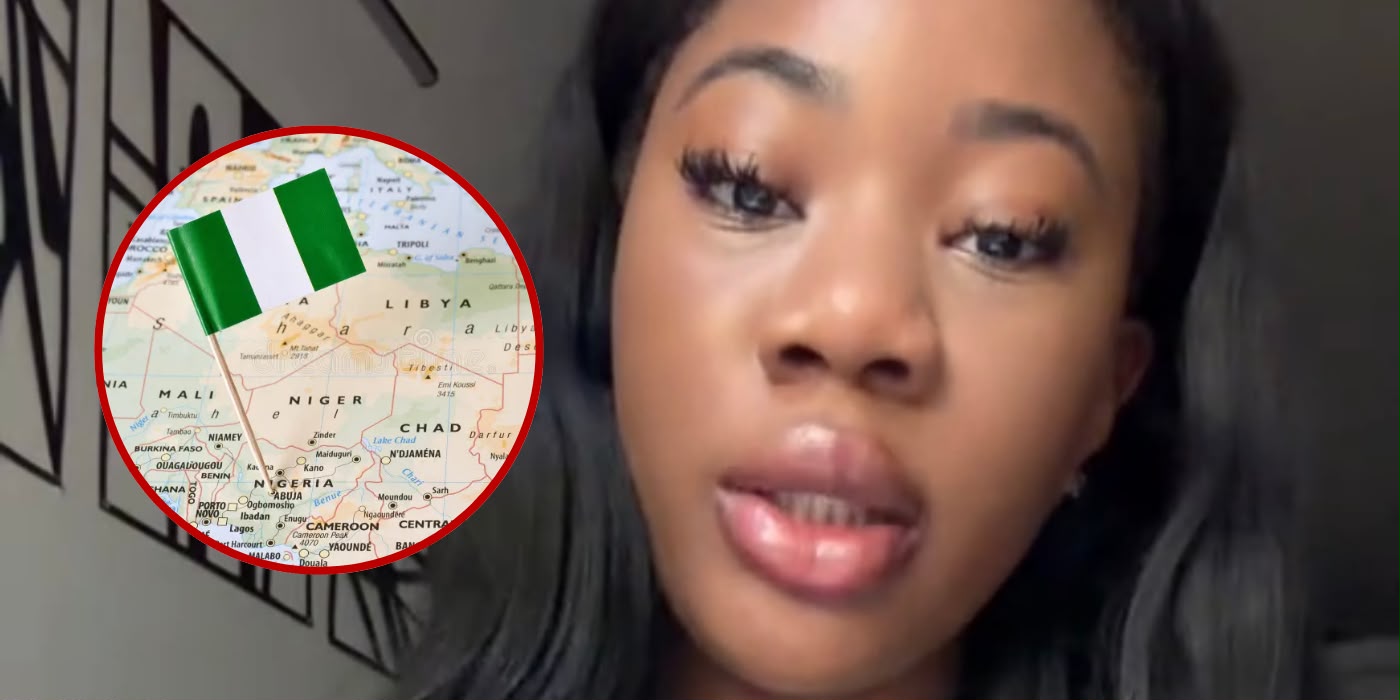

A TikTok creator has sparked debate after sharing her opinion that Nigeria has played a major role in making Africa more recognised and celebrated around the world, particularly through its music, entertainment and cultural influence.
The creator, who goes by Tenara online, described her view as an “unpopular opinion” before arguing that Nigerians deserve greater recognition for the way they have helped shape perceptions of Africa internationally. Speaking from her own experience as an African parent and as someone from Guinea, she explained that she has witnessed changes in attitudes towards African identity and believes Nigerian culture has been a major part of that shift.
“Unpopular opinion, but we need to give credit where it's due,”
Tenara began, before making the central point of her video, saying,
“Nigerians put the whole of Africa on their map, I don't care what anyone says.”

Her comments focused particularly on the experiences of Black people in Britain and how African identity has been viewed within British Black communities over the years. Tenara argued that, several years ago, some Black people in the UK would distance themselves from African identity because of the stereotypes attached to Africans, instead identifying more closely with Caribbean culture.
She said this was particularly noticeable among younger Black people and claimed that Nigerians often received the brunt of the negative stereotypes because of the size and visibility of the Nigerian community in Britain. Tenara recalled a period when she believed openly identifying as African or Nigerian could attract ridicule, saying,
“Just a couple years ago, a lot of black people, especially in the UK, were claiming to be Caribbean because of the stereotypes that a lot of Africans had in general.”
She went on to describe the insults that she believed Nigerians faced, adding,
“Like, they were getting the most insults like, you couldn't pay me to claim that I was African or Nigerian five, seven years ago. You really couldn't.”
According to Tenara, the situation has changed significantly as Nigerian culture has become increasingly visible and influential internationally. She pointed to the rise of Nigerian music, entertainment and wider cultural exports as some of the reasons attitudes have shifted, arguing that Nigerians have increasingly embraced their identity and taken their culture to audiences around the world.
Her comments come at a time when Nigerian culture is arguably more globally visible than it has ever been. Afrobeats has moved from being a genre largely associated with African and diaspora communities to becoming a major international musical force, with Nigerian artists such as Burna Boy, Wizkid, Davido, Tems, Rema, Ayra Starr and Asake achieving major audiences outside the continent.
Spotify data has provided a clear indication of the scale of that growth. Nigerian artists generated more than 30 billion streams on Spotify in 2025, according to reporting on the platform's figures, with the music generating more than $40 million in royalties. The figures demonstrate the scale of the international audience Nigerian music has developed, although streaming alone does not capture the full extent of the country's cultural influence.
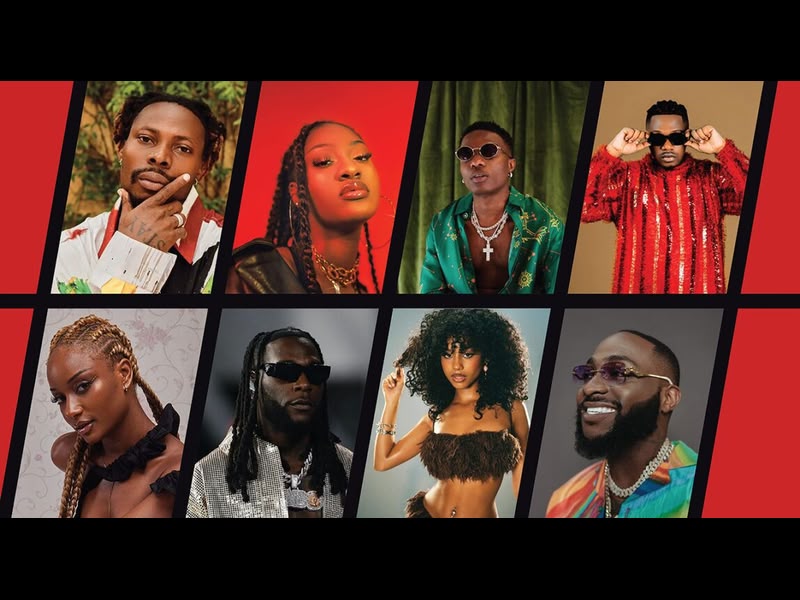
The growth of Afrobeats has also been closely connected to Britain's African diaspora. London in particular has become a major hub for the genre, with Nigerian and Ghanaian communities helping create an environment where African music could develop audiences among both diaspora communities and people with no direct connection to Africa.
Research into Afrobeats and Black British identity has highlighted the role migration played in bringing African musical traditions and cultural influences into Britain, with Nigerian and Ghanaian communities particularly significant to the development of contemporary West African identity in the UK.
By the early 2000s, reggae, dancehall, hip hop, garage and grime were deeply embedded in British Black culture, while Caribbean identity had a long-established presence within the country. At the same time, Britain's African population was growing rapidly. Between 2001 and 2011, the British African population doubled through migration and natural increase, meaning that African identities were becoming increasingly prominent within Britain's Black population.
This provides important context to Tenara's comments about some people identifying as Caribbean rather than African. Her claim should not be interpreted as meaning that everyone with African heritage who identified as Caribbean was pretending or ashamed of where they came from. Many Black Britons genuinely have Caribbean heritage, while others have mixed African and Caribbean backgrounds, and identity can be influenced by family, community, upbringing and the culture surrounding a person.
There were also historical reasons why Caribbean culture could have felt more visible to some Black British people. The Windrush generation and subsequent Caribbean migration had established communities across Britain for decades, while Caribbean music and cultural movements had become major parts of British popular culture. African communities, meanwhile, were becoming increasingly diverse and visible as migration from countries including Nigeria, Ghana, Somalia and others increased.
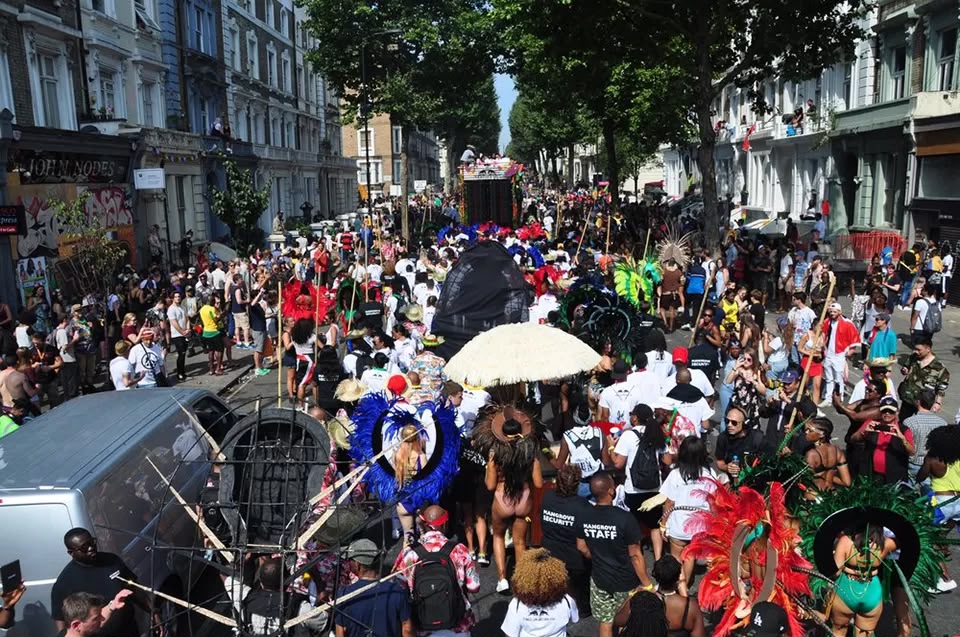
For some young people growing up during that period, identifying with the culture they saw most represented around them could therefore be a complicated issue. Where African stereotypes were negative or based on limited portrayals of the continent, some people may have felt pressure to distance themselves from African identity. That does not mean the experience was universal, but it helps explain why conversations about how African identity has changed in Britain can be emotionally charged.
Tenara's argument is that Nigerian culture has subsequently helped reverse some of those attitudes. She praised Nigerians for embracing their culture and confidently presenting it to the world, particularly through entertainment.
“Down from the influence, their music, their vibe, their culture, the way that they just earn being themselves, the fact that they're just hardworking,” she said.
She then argued that this confidence has benefited Africans beyond Nigeria itself, adding,
“You lot have really did it for the black community.”
Fashion, food, social media and entertainment have added to that influence. Nigerian weddings, parties, hairstyles, clothing, slang and food have become increasingly familiar outside the country's borders, particularly in cities with sizeable Nigerian communities.
Tenara believes this has contributed to a broader change in the way Africans can present themselves internationally, arguing that Nigerian influence has helped make it easier for people from other African countries to embrace their own identities.
“This is why a lot of countries now are able to be themselves,” she said.
However, this is also where some viewers challenged her argument, pointing out that Nigeria is not the only African country to have had a major influence on global culture.
Ghana, for example, has played a significant role in the development of African music and diaspora culture, while Ghanaian communities have had a longstanding presence in Britain. Ghanaian sounds including highlife and hiplife have influenced generations of musicians, while British Ghanaian artists have contributed to genres including grime, hip hop and Afrobeats.
South Africa has also had a huge impact on global music in recent years through amapiano. The genre, which emerged from South African townships, has become an international phenomenon, with its distinctive piano melodies, log drums and dance culture spreading across Africa, Europe, the UK and the United States. South Africa's influence goes much further than contemporary music, with the country's history, politics, fashion, art, sport and entertainment all contributing to its global cultural presence.
The Democratic Republic of Congo and the Republic of Congo have also had an important influence on African and international music. Congolese rumba spread across the continent and internationally decades before the current Afrobeats boom, while artists including Franco Luambo, Tabu Ley Rochereau and Papa Wemba helped establish Congolese music as a major cultural export.
This wider history is one reason some viewers felt Tenara's comments went too far. Nigeria may currently have one of the strongest African cultural exports, but African culture has never been represented by one country alone.
One person supported Tenara's argument, commenting,
“Nothing unpopular, it's a fact!!!”
Another was even more emphatic in their praise of Nigeria, writing,
“Well said beautiful queen. Proudly Nigerian anyday! We are the greatest black race nation in the world and the most successful black race in the world. Argue with your keypad..”
However, another viewer argued that the conversation risked reducing a complicated history of African achievement into a single narrative.
“I think this is exactly the kind of conversation that shows how divided we still are as Africans. Nigeria deserves its flowers. Nigerians are hardworking, and Afrobeats, Nollywood and Nigerian culture have had a massive global impact. But saying Africans were pretending to be Caribbean until Nigerians made being African cool is a huge generalisation. Black Africans were already achieving globally.”
Another commenter agreed that some Nigerians had adopted Caribbean identities in the past, but argued that their personal experiences were different from the broader picture Tenara presented.
“But it was mainly Nigerian people who were pretending to be Jamaican? I actually know some personally that even today at their big adult age they are still pretending and living that lie. Most people I know from other African countries seem so much more proud of their culture but that's just what I've seen.”
The disagreement highlights the difficulty of discussing African identity as though it is one shared experience. Africa is home to 54 countries, thousands of ethnic groups and languages, and enormous differences in history, religion, politics and culture. Even within Britain, the experiences of a Nigerian, Ghanaian, Congolese, Somali or South African family can be completely different.
.jpeg)
Tenara herself appeared aware of the importance of making that distinction. Throughout the video, she made clear that she was not Nigerian and did not want her praise of Nigeria to be interpreted as claiming an identity that was not hers.
“some people say I'm Nigerian myself, but I'm not. I'm actually Guinean,” she said, before proudly adding, “That's a proud Guinean, babes.”
Her position was therefore less about claiming Nigeria had created African culture and more about arguing that Nigerians deserve greater recognition for how effectively they have exported their culture.
She also pointed towards the growing interest in Nigerian ancestry among people in the African diaspora, particularly African Americans. While ancestry is considerably more complicated than a single DNA percentage, Tenara used the example to illustrate her belief that Nigerian identity has become something increasingly celebrated.
“Even the influence that they have in America, a lot of these African-Americans, when they do their DNA tests or whatever, whatever, there's always some, even if it's one percent of Nigerian, they will claim it."
She went on to express her appreciation for the country's wider impact, saying,
“But I really hate the way that we downplay Nigerians and we downplay their influence and their impact on the world.”
There is certainly evidence that Nigeria has become a particularly powerful cultural force. In 2025, Nigerian artists accumulated more than 30 billion Spotify streams, while the country's music continues to produce international stars and collaborations. Nigerian influence has also extended into art, fashion and creative industries, with recent exhibitions and cultural projects in Britain placing greater focus on Nigerian modernism and the country's artistic legacy.
For younger Africans and members of the diaspora, that visibility can have a significant effect on how culture is understood. Seeing African accents, clothing, music, food and traditions celebrated internationally can make it easier for people to embrace aspects of their identity that previous generations may have felt pressured to hide.
But that change should not necessarily be credited to Nigeria alone. Ghanaian, South African, Congolese, Jamaican and countless other communities have all contributed to the evolution of Black British and global culture. The growth of Nigerian influence has happened alongside those contributions, rather than replacing them.
Nigeria's global cultural influence is difficult to deny, particularly when looking at the international reach of Afrobeats, Nollywood and Nigerian fashion and entertainment. Yet the story of Africa's influence on the world is much bigger than Nigeria, stretching across generations, borders and cultures.
.png)


.png)
.png)
.png)
.svg)
.svg)
.svg)