Ghana's government has called for justice after a video showing a Ghanaian woman being violently assaulted in Iraq sparked widespread outrage on social media.
The woman, identified as Stephanie Nkrumah, was working as a domestic worker in Iraq when she was subjected to a brutal physical attack, which was captured on camera and subsequently circulated online.
The disturbing footage shows a man repeatedly assaulting Stephanie inside a room, as she sits on a chair. He can be seen pushing and striking her, with the violence continuing as she attempts to move away towards a wall. The recording has prompted serious concerns about the treatment of migrant domestic workers and the conditions they can find themselves working in abroad.
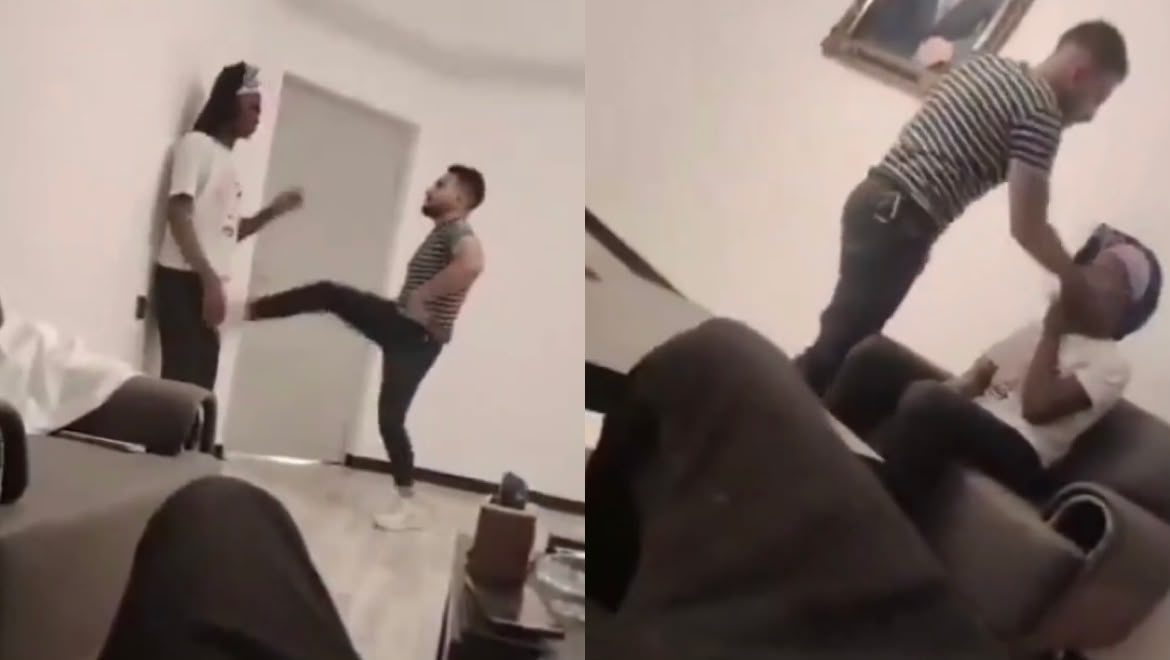
Following the circulation of the footage, Ghana's Ministry of Foreign Affairs began efforts to establish the woman's identity and circumstances, working alongside its diplomatic missions and partners in the Gulf region.
Foreign Affairs Minister Samuel Okudzeto Ablakwa has since confirmed that Stephanie has been located and safely returned to Ghana, with assistance from her family, who are based in Kumawu in the Ashanti Region.
On Monday, November 23, Mr Ablakwa met with Stephanie and members of her family at the Ministry of Foreign Affairs, where officials listened to her account of what happened and discussed the government's efforts to secure justice.
During the meeting, Stephanie reportedly provided further details about the individuals involved and the circumstances surrounding the abuse. She also identified the man who assaulted her in the footage as an agent of the recruitment agency that brought her to Iraq.
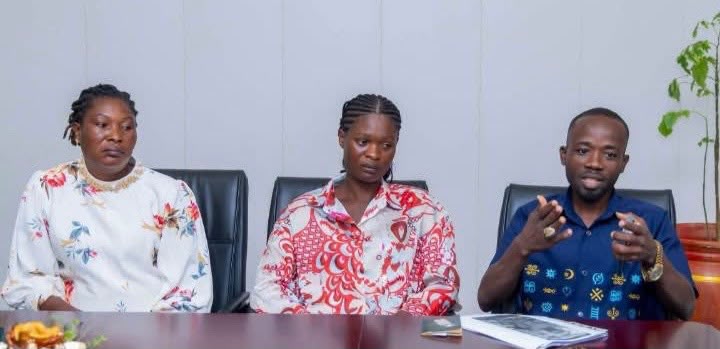
Speaking about the incident in an interview with TV3 Ghana, Stephanie revealed that she had also been threatened with a firearm and forced to return to the house where she had been working.
“They even pointed a gun at me at some point,” she said.
She further explained that the beatings had caused health complications, but she was not taken to hospital to receive proper medical attention.
“The beatings I suffered in the house caused health complications, but instead of taking me to the hospital, they always consulted a doctor.
“I was once given medication to take for 30 days before being told that I was not supposed to take it,” she said.
Following the meeting, Mr Ablakwa confirmed that Ghana had formally lodged a diplomatic protest with Iraqi authorities, demanding appropriate action against those responsible.

The government is also considering placing a moratorium on the recruitment of domestic workers to Iraq, with the Minister expressing concerns that Stephanie's experience may not be an isolated incident.
In a statement addressing the situation, he said:
“Government is strongly considering placing a moratorium on recruitment of domestic workers to Iraq as this does not appear to be an isolated incident.”
Alongside its efforts to secure justice, the government has also pledged to support Stephanie as she recovers from the ordeal and begins rebuilding her life.
Following a medical assessment, the Ministry of Foreign Affairs is providing her with urgent medical treatment and clinical psychological support at no cost, in line with doctors' recommendations.
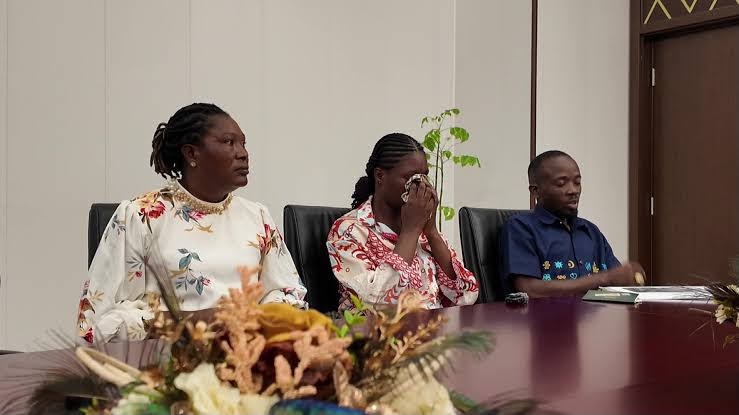
Mr Ablakwa also revealed that he had personally donated GH¢50,000 to Stephanie as initial financial assistance towards establishing a small business. Additionally, he pledged to provide her with a scholarship to allow her to resume her formal education, which she had discontinued several years ago.
Reaffirming the government's commitment to protecting Ghanaian nationals living and working abroad, the Minister stressed that the welfare and dignity of citizens would remain a priority for the Foreign Affairs Ministry and its diplomatic missions. He stated:
“As I keep insisting, an attack on any Ghanaian out there, is an attack on all of us."
He also assured Stephanie that she would continue to receive the government's support as she pursues justice and works towards recovering from her experience.
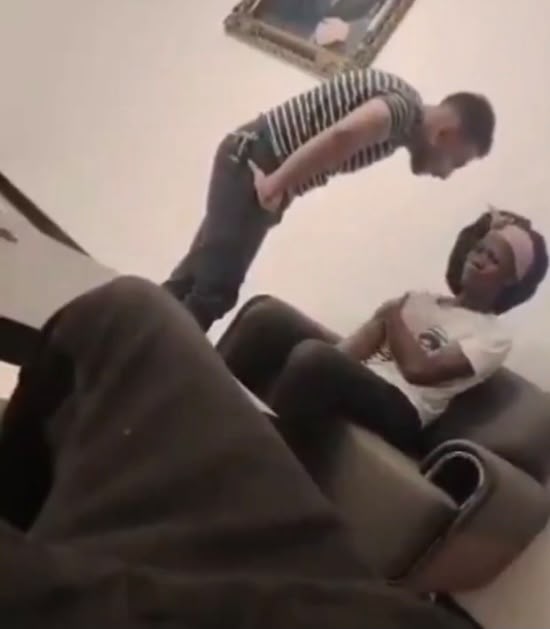
The incident has prompted further conversations online, with many expressing anger over the treatment of the woman and raising concerns about the safety of Black people travelling abroad for employment. One person wrote:
“It’s sad that black people can’t go to these countries without facing such horrible treatment.”
Another commented:
“I’m glad the government stepped in and is demanding justice! This woman left her beloved home country, her safe space, moved to another country to work, only to be mistreated like this?! How is this even possible???”
A third person also questioned the actions of the individual recording the assault, writing:
“Honestly, that person sat there recording needs to be charged too!”
The situation has renewed calls for greater protection for migrant workers, particularly women travelling overseas to work in private households, where they may be vulnerable to mistreatment and exploitation.
Ghana's government has maintained that it will continue working through diplomatic channels to ensure those responsible are held accountable, while supporting Stephanie throughout her recovery.