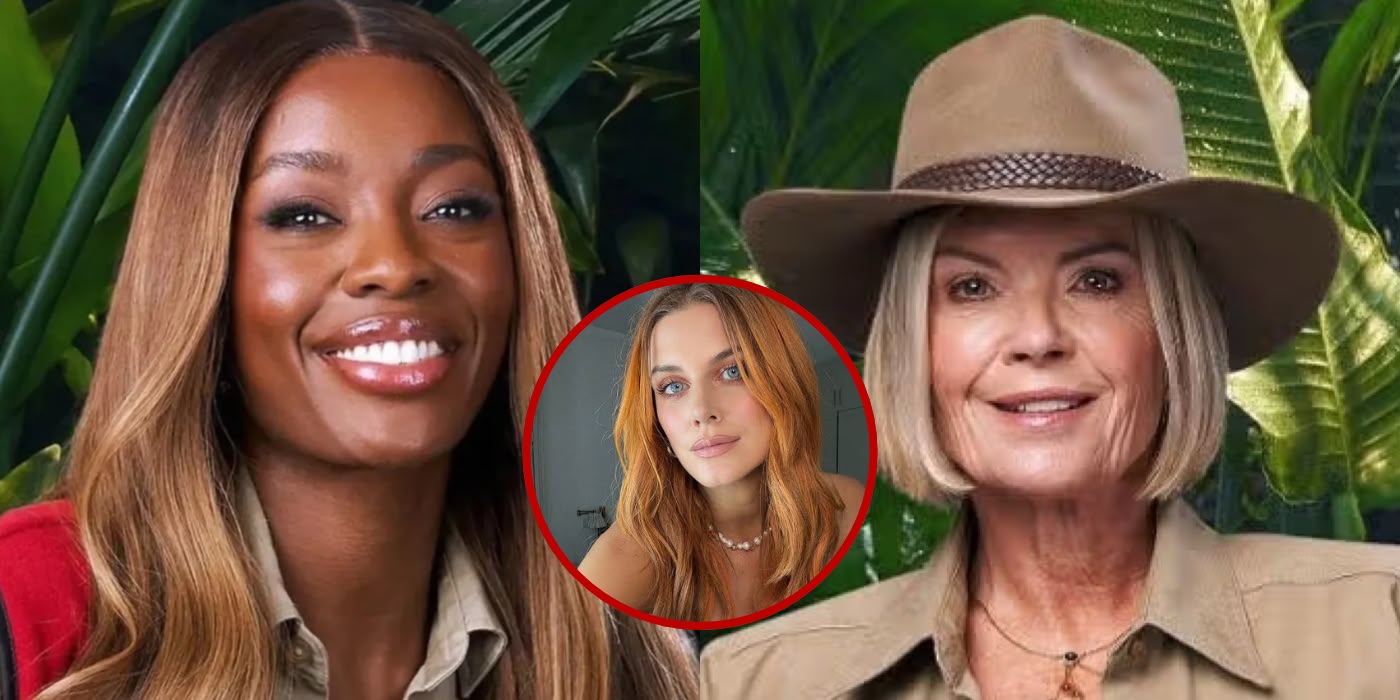

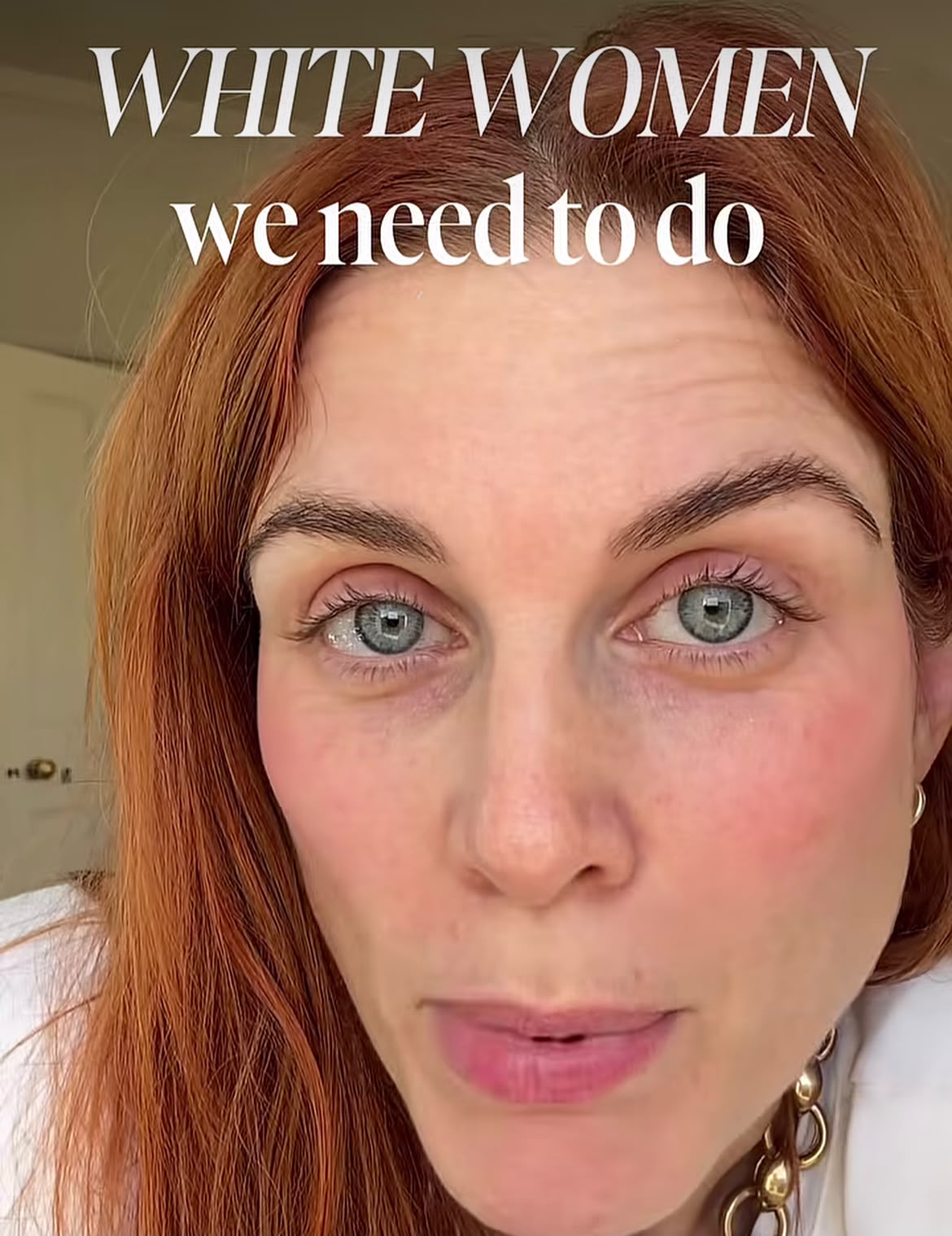
TV presenter and broadcaster Ashley James has shared an educational video addressing racial microaggressions, using the recent exchange between AJ Odudu and Mariella Frostrup on I’m A Celebrity... Get Me Out Of Here! to highlight how seemingly small comments can have a much deeper impact.
Ashley, who is known for her work across television, radio and social media, took to her platform to address white women directly, opening the video with:
“White women, we need to do better.”
Using the incident as an example, she explained that a racial microaggression is an everyday comment, assumption or behaviour that carries a stereotype about someone's race or identity.
She was keen to highlight that the term should not be mistaken for something insignificant simply because it contains the word 'micro'.
She explained:
“So it might feel small to the person saying it, but for the person on the receiving end, it's part of a much bigger pattern.”
"And that is why you can see Black and Brown women today saying that there is nothing micro about these kinds of comments.”
The presenter then broke down why the use of the word 'aggressive' towards AJ was particularly significant, explaining how it can draw on the long-standing stereotype of the 'angry Black woman'.
For context, the incident unfolded during a disagreement over cooking duties in the I'm A Celebrity camp. AJ had been asking how she could help with preparing food, but tensions arose during an exchange with fellow campmate Mariella Frostrup.
Mariella accused AJ of making a drama out of a crisis before describing her as aggressive. AJ challenged the language, telling her:
“Please don't use those words towards me, dramatic and aggressive are very harsh.”
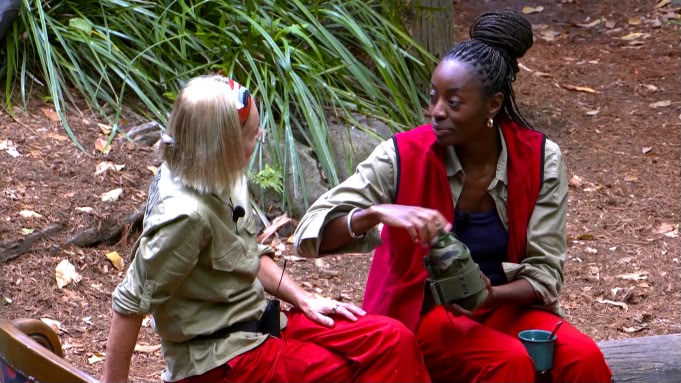
However, the situation became increasingly uncomfortable when Mariella continued to suggest that AJ was being aggressive, even after she had explained why she did not want to be described that way.
AJ was visibly upset by the exchange, later explaining in the Bush Telegraph that being called aggressive was particularly triggering for her.
Ashley highlighted how the interaction demonstrated the way Black women can have their emotions and intentions misinterpreted, even when they are communicating calmly.
“Calling a Black woman aggressive draws on the stereotype that a Black woman is angry or threatening.”
She also pointed out that AJ had approached the situation politely and had been trying to understand how she could contribute to the cooking, before finding herself having to defend her behaviour.
Another aspect of the video focused on what Ashley described as 'white women's tears', explaining how society can be conditioned to sympathise with a white woman's distress while Black women are more readily dismissed or labelled aggressive when expressing their feelings.
"We are conditioned to sympathise with a white woman's distress. We see her as fragile and in need of protection.”

Ashley continued, saying:
"So when white women cry, attention can shift from the actual issue to her feelings and the person who raised the harm can end up being vilified.”
To demonstrate that these stereotypes are not new, Ashley referenced historical incidents, including activist Eartha Kitt's confrontation with Lady Bird Johnson at the White House in 1968 and the 2020 incident involving Amy Cooper, who called the police on Black birdwatcher Christian Cooper in New York's Central Park.
Ashley was careful to clarify that she was not comparing those incidents directly to what happened between AJ and Mariella, but wanted viewers to understand the history behind the stereotypes surrounding white women's vulnerability and the perception of Black people as threatening.
She also highlighted why intersectional feminism is important, explaining that conversations about women's rights must include the different experiences of Black and Brown women, LGBTQ+ women and disabled women.
She said:
“We all know how exhausted we are from sexism and misogyny, so imagine having to navigate all of that alongside racism.”
The presenter went on to argue that, just as men are expected to educate themselves and challenge misogyny, white women must also take responsibility for learning about racism and recognising their own unconscious biases.

She encouraged viewers to educate themselves on microaggressions and recommended books that could help them better understand the subject.
Towards the end of the video, Ashley praised AJ for the way she had handled the situation, particularly given that she had attempted to repair the relationship by apologising despite being the person who had been hurt by the comments.
However, she made it clear that Black women should not be expected to constantly remain composed or demonstrate grace when faced with these situations.
She said
“AJ has showed class and grace throughout these interactions, but she really fucking shouldn't have to, and we need to do better.”
The discussion surrounding AJ and Mariella has also brought attention to the wider experiences of Black women in British entertainment, particularly when it comes to how their personalities, emotions and reactions are perceived by others.
For years, Black women on television have found themselves subjected to labels such as 'aggressive', 'angry', 'difficult' and 'intimidating', sometimes for displaying the same confidence or assertiveness that might be interpreted differently when coming from someone else.
This is not limited to reality television, but programmes such as Big Brother and Love Island have repeatedly prompted conversations about how Black female contestants are portrayed, discussed and treated by both fellow participants and audiences.
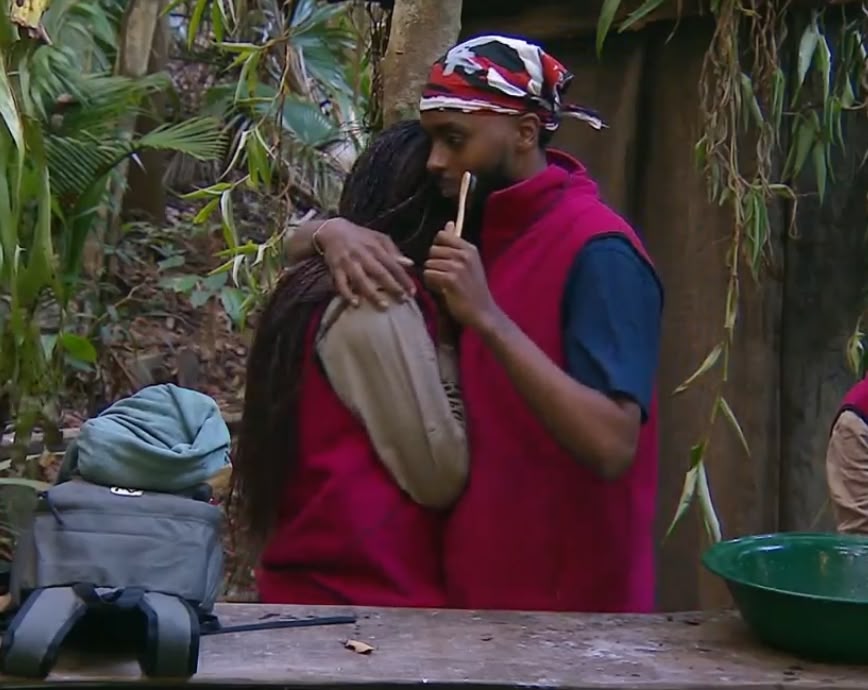
The issue is that these labels do not exist in isolation. When a Black woman is repeatedly described as aggressive, even during moments where she is simply expressing disagreement or standing up for herself, it reinforces an existing stereotype and can influence how others view her.
It can also create a situation where Black women feel they have to carefully monitor their tone, facial expressions and reactions to avoid being misunderstood, while simultaneously being expected to remain calm when addressing something that has genuinely upset them.
This is why Ashley's video is particularly important, as it places some of the responsibility on the people who may not have previously recognised the impact of their words.
It is also significant that the conversation is being led by a white woman. While Black women have spoken about racial microaggressions and the 'angry Black woman' stereotype for years, the responsibility of educating others should not continually fall on those experiencing the discrimination.
Having other people, particularly those who may not experience these situations themselves, speak up and challenge harmful behaviour can help ensure these conversations reach wider audiences.
It is not about speaking over Black women or positioning white women as the voices of authority on racism, but recognising that being an ally requires more than simply agreeing when an issue is brought to your attention. It means being willing to listen, learn and challenge these behaviours within your own circles.
The video has received a positive response from viewers, with many agreeing with Ashley's explanation and praising her for using her platform to address the issue.
One person commented:
“Well articulated and hopefully received by the ears that need to hear it!”
Another wrote:
“She explained that very well in perfect English so l expect every single person to understand this!”
A third added:
“Love that a white woman is speaking up on this and taking action to educate and support.”
The responses reflect how important it is for conversations about racial microaggressions to extend beyond those who experience them directly.
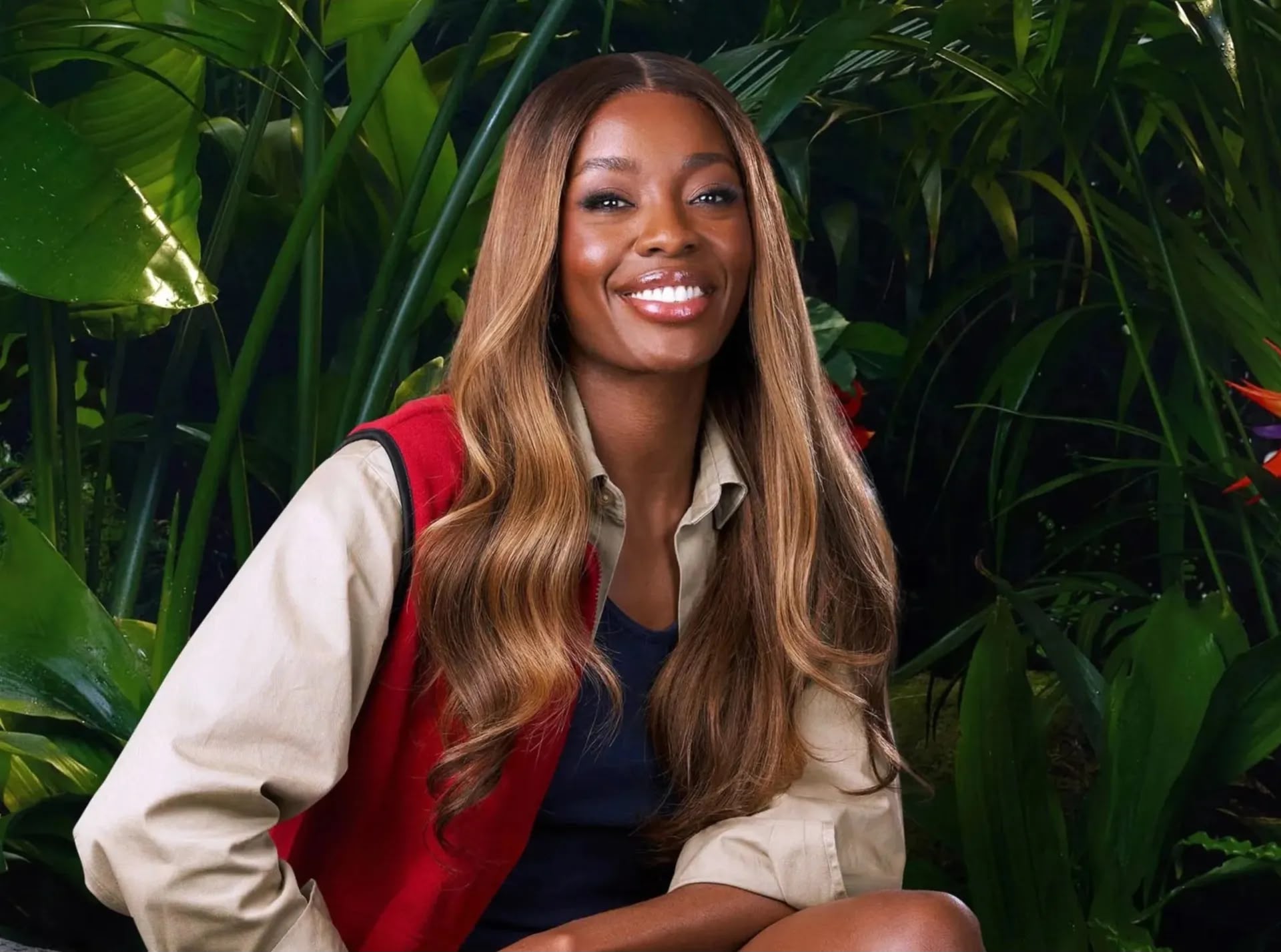
While one comment might seem insignificant to the person making it, that same comment can carry the weight of countless similar experiences for the person receiving it.
Black women should not have to repeatedly explain why certain words hurt, nor should they have to demonstrate exceptional patience and grace simply to be treated with the same understanding afforded to others. As Ashley makes clear, recognising the problem is only the beginning, people also need to be willing to do something about it.