%2022.png)

Facial recognition technology is set to be rolled out more widely across the UK following the failure of a legal challenge that argued its use breached human rights. The decision marks a significant moment in the ongoing debate over surveillance and privacy, effectively giving police forces and authorities greater confidence to expand the deployment of live facial recognition (LFR) systems across public spaces.
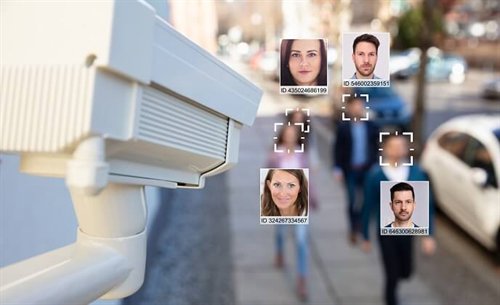
Live facial recognition works by scanning faces in real time through CCTV-style cameras and comparing them against databases or “watchlists” of individuals, such as wanted suspects or missing persons. If a match is detected, officers on the ground can be alerted within seconds. The technology has already been trialled by several UK police forces, including the Metropolitan Police and South Wales Police, with authorities reporting that it has led to arrests and helped identify individuals who might otherwise have gone unnoticed.

The failed legal challenge centred on concerns that the use of such technology could infringe on individuals’ rights to privacy and freedom of expression. Campaigners argued that scanning large numbers of people in public, many of whom are not suspected of any wrongdoing, amounts to disproportionate surveillance. However, the court’s decision suggests that, under current frameworks and safeguards, the use of facial recognition can be considered lawful when applied in a targeted and controlled manner.
Supporters of the rollout argue that the technology could become a key tool in modern policing. With increasing pressure on law enforcement resources, facial recognition is seen as a way to improve efficiency, allowing officers to focus on high-risk individuals while maintaining visibility in crowded areas. Proponents also suggest it could enhance public safety at major events, transport hubs and city centres, where rapid identification could help prevent crime or respond more quickly to threats.
However, concerns remain widespread. Privacy advocates and civil liberties organisations have warned that the expansion of facial recognition could pave the way for a broader surveillance culture, where individuals are routinely monitored without explicit consent. Questions have been raised about how long biometric data is retained, who has access to it, and whether sufficient oversight exists to prevent misuse.
Accuracy is another key issue. While the technology has improved significantly in recent years, critics point to studies suggesting that facial recognition systems can have higher error rates for certain demographic groups. This raises the risk of misidentification, which could lead to wrongful stops or further scrutiny for innocent individuals.
There are also broader societal concerns. Some experts warn of a potential “chilling effect,” where people may alter their behaviour in public spaces due to the awareness of being constantly monitored. This could impact everything from attending protests to simply moving freely without feeling observed.
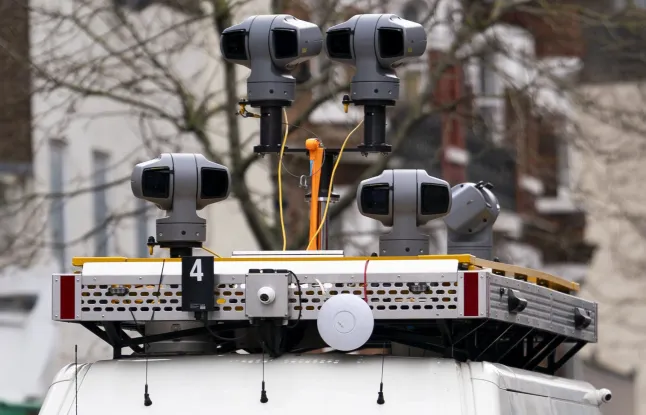
In response to these concerns, authorities have stated that strict guidelines and safeguards will govern the use of facial recognition. Police forces have emphasised that deployments are typically time-limited, intelligence-led and focused on specific objectives, rather than continuous blanket surveillance. Oversight bodies and data protection regulations are also expected to play a role in ensuring accountability.
Despite these assurances, the debate is far from settled. As the UK moves towards wider adoption of facial recognition technology, it joins a growing number of countries exploring the balance between security and civil liberties in an increasingly digital world. For many, the question is no longer whether the technology will be used, but how far its reach should extend and what limits should be put in place.
.png)


.png)
.png)
.png)
.svg)
.svg)
.svg)