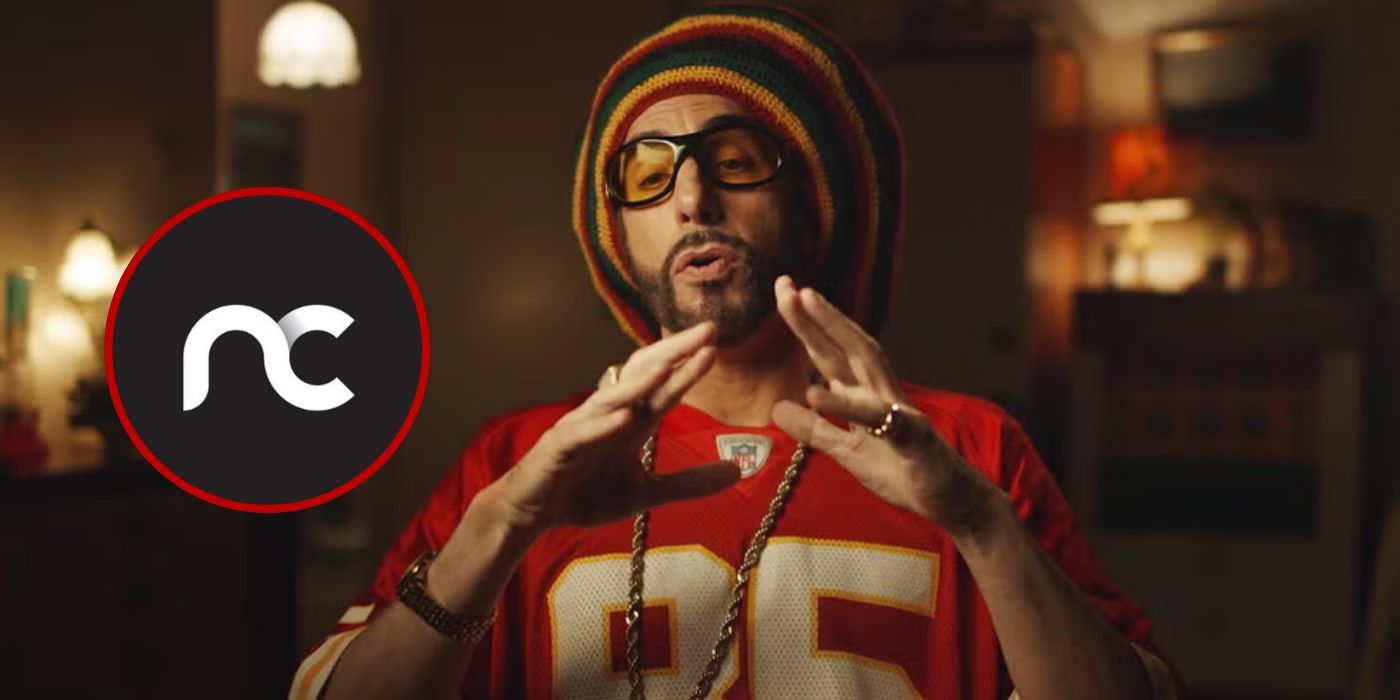

Sacha Baron Cohen’s return as his infamous Ali G character has sparked a fresh backlash, with campaigners calling on cinemas not to screen his upcoming film, Ali G: Who Iz I?
The campaign, led by UK-based media monitoring platform NewsCord, has reportedly resulted in more than 37,000 emails being sent to cinema chains around the world from people urging them to refuse to show the film. The campaign began on Wednesday, August 26, and allows supporters to contact major cinema chains across several countries.
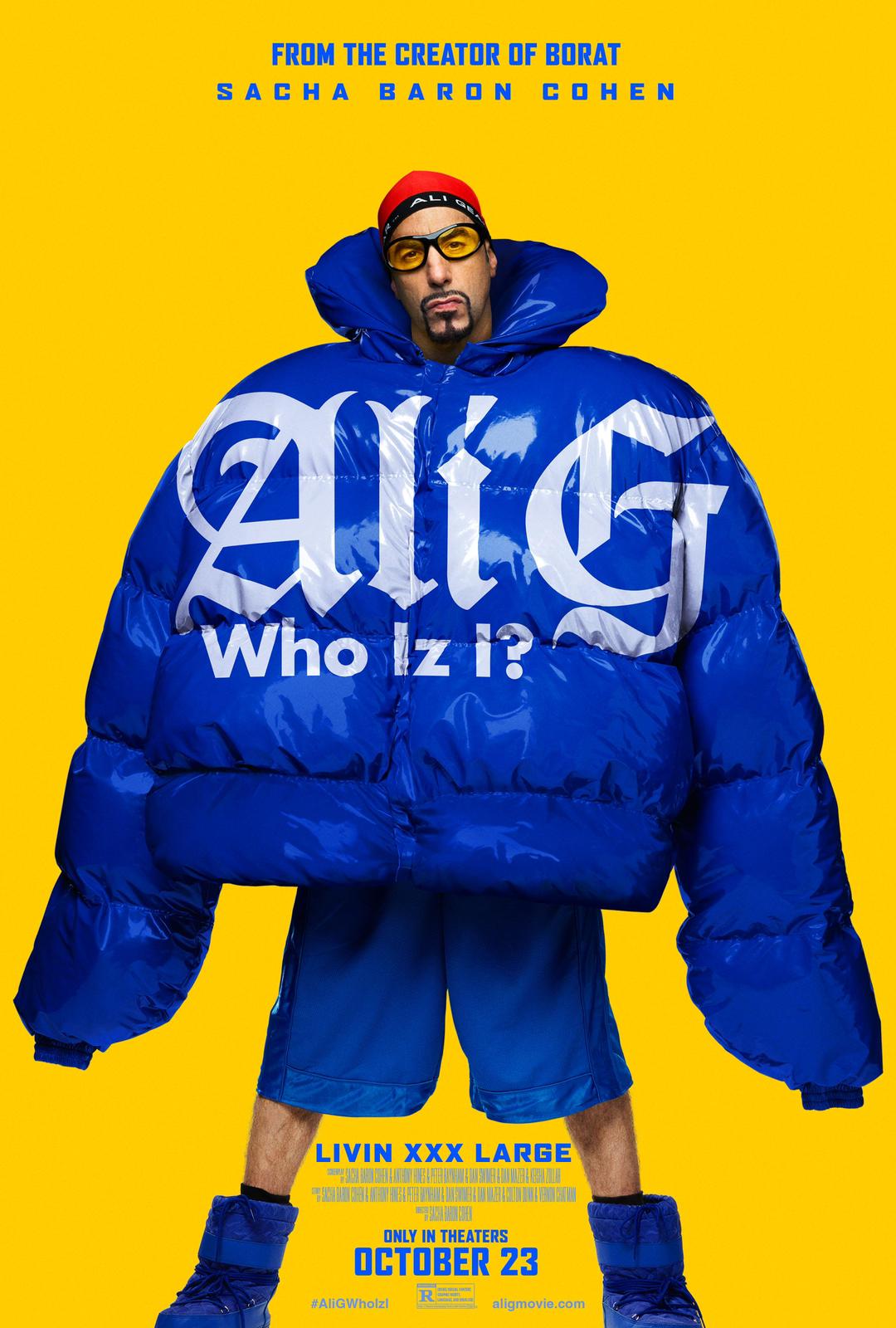
In the UK, cinemas targeted by the campaign include Odeon, Cineworld, Vue, Everyman and Showcase. NewsCord has accused Baron Cohen of using satire as a “cover for enforcing racist stereotypes”, while arguing that cinema chains have a choice over whether they book the film.
The controversy centres on the character of Ali G, who was created and played by Baron Cohen and first appeared on Channel 4’s The 11 O’Clock Show in 1998. The character is presented as a white man from Staines who adopts slang, clothing and mannerisms associated with Black British and Jamaican culture, while presenting himself as a wannabe rapper and streetwise figure.
Ali G subsequently became one of Baron Cohen’s best-known characters, leading to Da Ali G Show and the 2002 feature film Ali G Indahouse. His interviews with public figures became particularly popular because those appearing alongside him were often unaware that they were participating in a deliberately constructed comedy routine.
.jpeg)
Baron Cohen has previously defended the character as satire, arguing that Ali G is intended to represent the way privileged suburban young people perceive Black culture, rather than being a straightforward representation of Black British life.
However, critics have long questioned whether the joke ultimately lands where Baron Cohen intended. NewsCord has pointed to criticism dating back to 2000, when Black British comedians raised concerns about the character and described him as an “alibi for racism”.
Comedian Felix Dexter was among those to criticise the character at the time, arguing that Ali G could allow audiences to laugh at Black street culture while still considering themselves politically correct.
Those concerns have resurfaced following the release of the trailer for Ali G: Who Iz I?, with critics arguing that elements of the character have become increasingly difficult to defend in 2026.
The trailer shows Baron Cohen returning as Ali G, including the character wearing fake dreadlocks and a Rastafarian hat. It also features jokes surrounding relationships, fatherhood and modern culture, including Ali G discussing his desire to become an “absent” father. The film is being presented as a mockumentary, with Baron Cohen returning to his hidden-camera style of comedy as Ali G interacts with members of the public and other figures who are filmed as part of the production.
.jpeg)
The response has been divided, with some viewers welcoming the return of a character they associate with an earlier era of British comedy, while others argue that the character’s approach to race and culture has not aged well.
The criticism has also led to a wider discussion about whether comedy should be judged differently as social attitudes change. Supporters of the character argue that Ali G was always supposed to be ridiculous and that the humour comes from exposing ignorance and cultural appropriation.
Those opposed to the film, however, argue that satire does not automatically prevent a stereotype from being offensive or harmful, particularly when audiences can interpret the character without the intended satirical context.
Baron Cohen himself appeared to acknowledge the controversy when he promoted the trailer on social media, writing: “In an age when a single comedian's career can be ended by a single un-PC joke, I thought I'd play it safe and bring this guy back.”
The campaign has also faced questions over whether cinemas are actually refusing to screen the film. NewsCord claimed that Picturehouse Cinemas had confirmed it would not show Ali G: Who Iz I?, but reports later indicated that the response cited by campaigners was a standard reply to enquiries about films that had not yet been booked, rather than a confirmed decision to reject the movie.
.jpeg)
Another cinema chain, Danish company NFBIO, directly responded to the campaign, stating: “We do not consider it our task as a cinema to exercise censorship or to reject films that are legally distributed and aimed at an adult audience.”
The film is currently scheduled to open on October 23, with Amazon MGM Studios distributing it in the United States and Sony Pictures handling international distribution.
As the controversy continues, reaction online has been mixed. Some people have dismissed the campaign as another example of audiences becoming overly sensitive to comedy, while others have argued that the criticism is not about being unable to take a joke, but about recognising how stereotypes can influence perceptions of marginalised communities. One person wrote:
“People are too soft these days!”
Another said:
“Man I’m glad I’m not part of this generation!! These 2026 lot are so emotional and everything’s so serious..laugh and love live a little FFS.”
However, not everyone opposed the campaign. Some people said they could understand why campaigners were uncomfortable with the character and the decision to bring Ali G back in its original form. One commenter wrote:
“Normally I don’t like this soft behaviour but it is was a movie making fun of Jew stereotypes they would do the same. PULL THE MOVIE.”
Another defended the criticism while pushing back against the suggestion that those who objected to the film were simply being too sensitive. They wrote:
“I keep hearing this often repeated phrase which is we are too soft. We're not soft, we've just become more politically conscience and noticed comedy is used to mask propaganda and smear campaign. If you want to go watch it feel free but I'm sure you can do it without dismissing us as "soft". Whatever that means.”
.jpeg)
The divided reaction reflects the wider debate surrounding Baron Cohen’s comedy, which has frequently relied on exaggerated characters, uncomfortable situations and deliberately provocative humour.
For supporters, Ali G’s return represents a revival of a character whose entire premise is based on exposing ignorance and absurdity. For critics, however, the fact that the character was designed around imitation of Black British and Jamaican culture remains central to why they believe the joke can no longer be separated from the stereotypes it uses.
With the film still scheduled for release in October, the campaign is now putting pressure on cinema chains to decide whether they will screen it, while the reaction from audiences continues to demonstrate just how divisive Ali G remains more than two decades after the character first appeared on British television.
.png)


.png)
.png)
.png)
.svg)
.svg)
.svg)