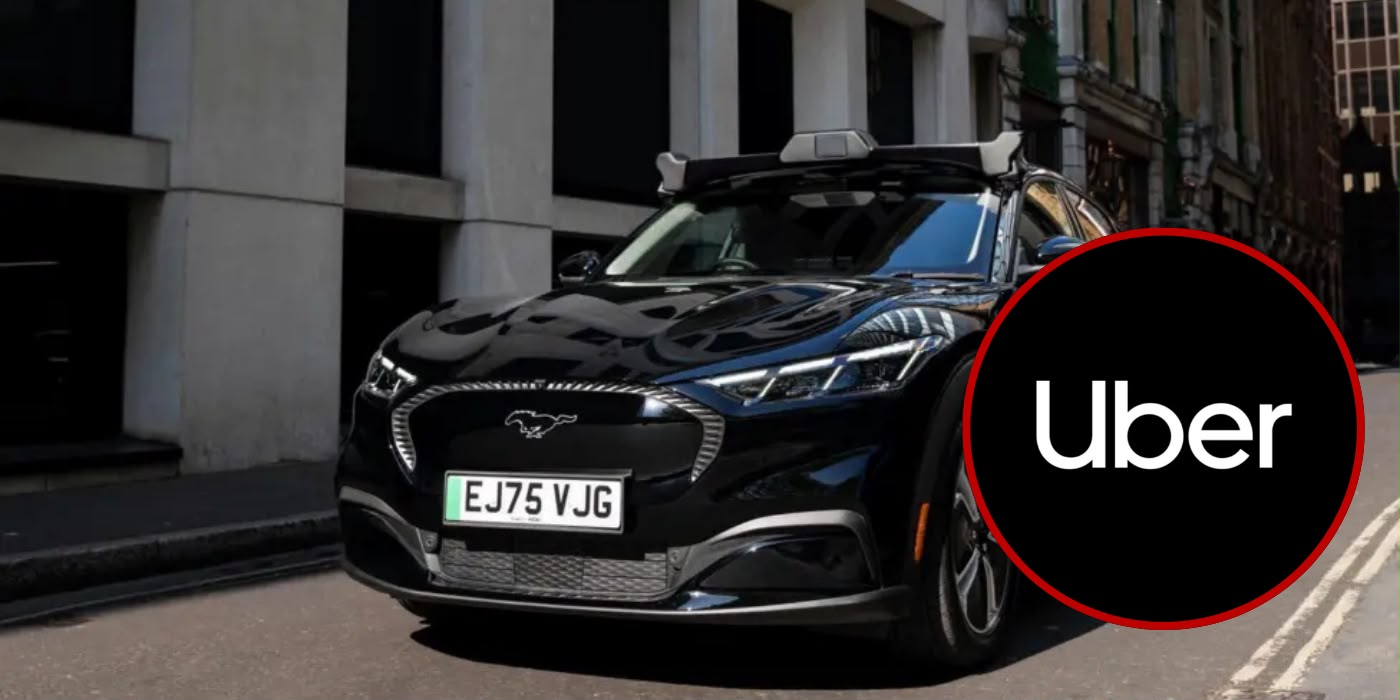

Uber's plans to introduce autonomous taxis to London's roads have taken a major step forward after Transport for London approved private hire vehicle licences for a number of self-driving cars.
The vehicles, which are being developed using technology from British autonomous driving company Wayve and will be operated through Uber, have been approved as private hire vehicles in the capital.
The development means members of the public could soon have the opportunity to experience an Uber journey in a vehicle capable of navigating London's roads using autonomous driving technology. However, despite the move being described as a major step towards fully driverless journeys, the cars will not initially operate without a person behind the wheel.
The vehicles are pure electric Ford Mustang Mach-Es, which have been specially adapted to allow Wayve's autonomous driving system to operate. The technology uses a number of cameras and other systems to understand the surrounding road environment and make driving decisions.
.jpeg)
Wayve said the modifications made to the vehicles, including the installation of six cameras, were assessed by experts who concluded that they do not compromise passenger safety.
Uber is expected to begin offering some Londoners the chance to try out the vehicles later this summer, with the company already having received a huge amount of interest from people wanting to experience the technology.
Around 100,000 people have reportedly signed up to express an interest in trying one of the robotaxis, demonstrating the level of curiosity surrounding the prospect of autonomous vehicles becoming part of London's transport network. However, anyone expecting to order an Uber and be collected by a completely driverless vehicle will have to wait a little longer.
Under the current private hire vehicle licence arrangements, a qualified human driver must remain inside the vehicle and stay responsible for the car during journeys. The driver will be there to monitor the technology and take control if necessary. This means the initial launch is not the arrival of completely driverless taxis on London's roads, but rather an important stage in testing and introducing autonomous technology to passengers under controlled conditions.
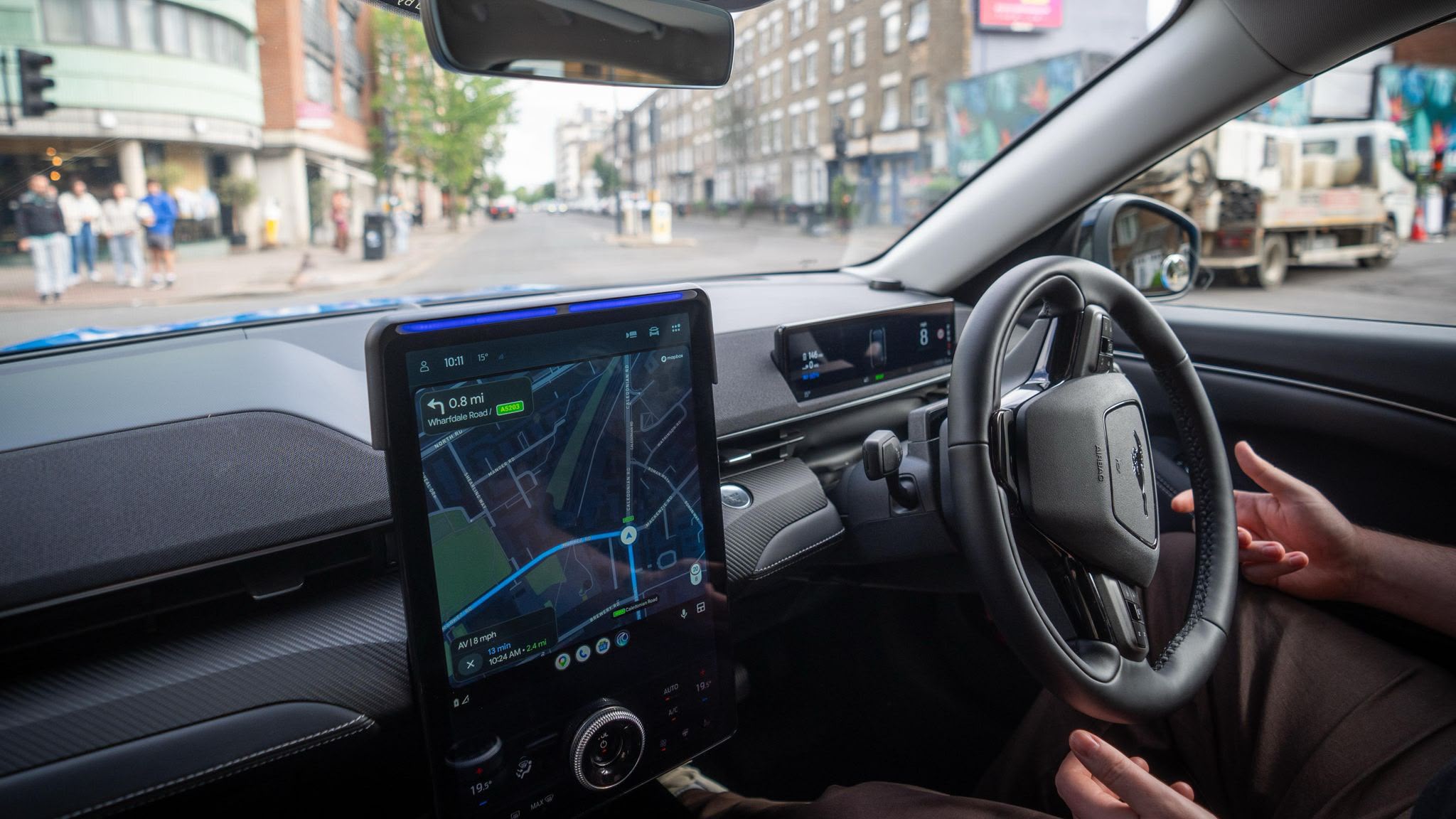
If the technology is eventually shown to be safe enough to operate without a driver, Uber and Wayve would then need to obtain separate approval from the Driver and Vehicle Standards Agency before the vehicles could operate without a human behind the wheel.
The move is particularly significant for Wayve because London is set to become the first city in the world where its autonomous driving technology is used for commercial journeys.
The company has been developing its technology in the UK and has been working towards bringing autonomous driving into real-world environments. Its technology is also being developed for use in privately owned vehicles, with Wayve working alongside major manufacturers including Nissan and Stellantis.
Wayve's vice president for global affairs and assurance, Sarah Gates, described the licensing decision as an important moment in the company's plans. She said:
"The responsible deployment of these vehicles will bring us safer, cleaner and quieter streets, and we're proud to continue working alongside regulators, communities, and the public as we take the next steps towards making autonomous rides a reality in the capital".
Uber has also described the approval as a significant milestone for its plans to bring autonomous journeys to the UK.
.jpeg)
Annie Duvnjak, Uber's global head of autonomous mobility operations, said:
"Our interest list has seen an incredible response from Londoners who are excited to experience Wayve's British-built autonomous driving technology."
The introduction of the vehicles comes as the UK continues to develop its approach to autonomous driving, with the technology expected to become increasingly visible on British roads.
For London, the introduction of robotaxis could eventually change the way people travel around the capital, although there remain questions about how quickly fully autonomous vehicles will become widespread and what impact they could have on existing taxi and private hire drivers.
Transport for London has stressed that safety remains its main consideration when approving the vehicles.
A TfL spokesperson said safety is its "top priority", adding that any new vehicle licensed to carry passengers in London must support its wider objective of eliminating deaths and serious injuries on the capital's roads by 2041.
The prospect of autonomous taxis has nevertheless raised concerns among some representatives of London's private hire drivers, particularly over what the technology could mean for employment in the industry.
Matthew Wright, a regional organiser for the GMB Union, which represents thousands of private hire drivers in London, described the decision as "a worrying development".
He said: "We can't go charging ahead with new technologies without considering the implications of autonomous vehicles on all parties."
Wright also raised concerns about what could happen to drivers if autonomous vehicles eventually become capable of operating without human drivers.
He argued that drivers would need to be "supported to reskill and redeploy if their jobs go", while also stressing that autonomous vehicles "cannot replace the knowledge, experience and human connection that a skilled driver offers".
Those concerns are likely to remain at the centre of the wider debate as autonomous vehicles move closer to becoming part of everyday life.
While supporters argue that self-driving technology could create safer, cleaner and quieter roads, critics have questioned the potential effect on workers whose livelihoods depend on driving.
There are also practical questions around how passengers will respond to being driven by an automated system, particularly in a busy and unpredictable environment such as London.
The initial launch is therefore expected to provide an important opportunity for Uber, Wayve and regulators to gather real-world experience before any decision is made about removing the human driver altogether.
For passengers taking part in the early rollout, there will still be a person behind the wheel who can intervene if required, meaning the service is being introduced gradually rather than immediately replacing conventional Uber drivers.
The announcement has already prompted a mixed response online, with some people welcoming the prospect of fewer cancellations and a more predictable service, while others have raised concerns about employment, public spending, traffic and the wider impact of autonomous vehicles. One person commented:
“Uber is getting ahead of its self. Hope they fail. Dynamic Pricing is crazy. Waiting 15 minutes for it to be cheaper? Choosing the expensive option and can still takes long. We need to somehow stop this as a community. Uber is just bad.”
Another wrote:
“Looool. So this where our tax money goes lool with driving at 15mph on average in London as well. Yh safe we're done for !”
A third person raised concerns about the potential impact on existing drivers, commenting:
“The difference between this being successful and failing is the people. Keep the people employed we're all in this together!!”
However, others were more positive about what autonomous vehicles could mean for the customer experience, with one commenter writing:
“The only up for this atleast no random cancellations or not wanting to take trips these uber drivers have been acting like they don't want the money kmt i can see you on the map take the trip.”
.jpeg)
Despite the debate, the approval represents a significant development in London's journey towards autonomous transport.
The first vehicles will still have qualified drivers inside them, but the introduction of the technology through a commercial ride-hailing platform means Londoners could soon get the chance to experience an autonomous journey as part of their everyday travel.
Whether robotaxis eventually become a common sight across the capital will depend on how the technology performs in real-world conditions, how passengers respond and whether regulators are satisfied that vehicles can operate safely without human intervention.
For now, Uber and Wayve are preparing for the next stage, with the first passenger journeys expected to take place later this summer and the eventual goal of bringing fully autonomous rides to London's streets.
.png)


%20(1).png)
.png)
.png)
.svg)
.svg)
.svg)