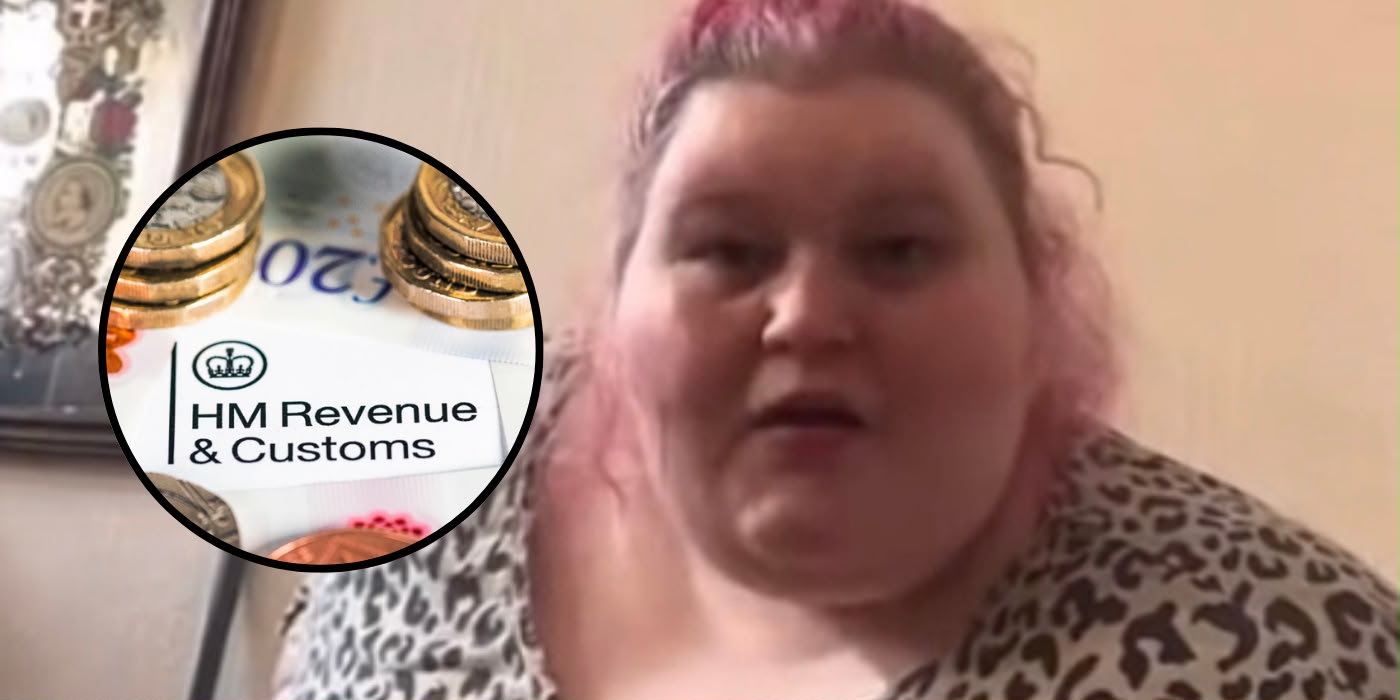

A resurfaced TikTok Live from creator Meghan, who is known online as Lady M, has gone viral after she made controversial remarks about taxpayers while discussing the benefits she receives.
Although the livestream was originally broadcast in April, clips have recently begun circulating widely across social media, prompting thousands of reactions and reigniting discussions around the UK's welfare system, taxation and attitudes towards state support.
During the livestream, Lady M claimed the amount she receives in benefits is not enough to last until the end of the month before turning her attention to taxpayers in a sarcastic rant. She said:
"Well, I'm not being funny here, but you must not work hard enough to pay your tax money because I don't have enough benefits to last me through the month."
.jpeg)
She then continued:
"So go on, get off your fucking phone and go f*cking work for me now."
Moments later, she added:
"You ain't f*cking doing your job properly paying your taxes, are you?"
Before concluding:
"It's true. It's true. It is very true."
.jpeg)
While it was not immediately clear whether the comments were intended as satire, sarcasm or a genuine reflection of her views, the clip quickly spread across TikTok, X and other social media platforms, attracting millions of views and sparking fierce debate.
Many viewers criticised the comments, arguing they reinforced negative stereotypes surrounding people who receive state support.
One person wrote:
"She should go look for a job rather than being at home all day and blaming others.."
Another commented:
"The most frustrating thing about this is that people will still blame immigrants and refugees for taking taxpayers money when there are ungrateful British people with this mindse."
Others, however, found humour in the clip and believed the livestream should not be taken entirely seriously.
One user said:
"You know what? In the most twisted way ever, she is telling the truth!"
The discussion also prompted wider conversations about how the UK's benefits system operates and the role taxpayers play in funding it.
Benefits are financial payments provided by the UK Government to support people who are unable to work, are on low incomes or require additional help because of their circumstances. The welfare system covers a wide range of support, including Universal Credit, Personal Independence Payment (PIP), Employment and Support Allowance, Housing Benefit in certain cases, Child Benefit, Pension Credit and Carer's Allowance.
The majority of welfare spending is funded through general taxation and National Insurance contributions, meaning money collected from workers and businesses is redistributed by the Government to help fund public services and financial support schemes. Tax revenue is not set aside for one specific purpose, instead contributing towards everything from the NHS and education to policing, infrastructure and welfare payments.
.jpeg)
People may receive benefits for many different reasons. Some have long term physical disabilities or chronic illnesses that prevent them from working, while others live with mental health conditions that significantly affect their ability to maintain employment. Benefits can also support those who have recently lost their jobs, carers looking after vulnerable relatives, low income families, pensioners and individuals whose wages are not enough to cover essential living costs.
Universal Credit, the UK's main working age benefit, was introduced to simplify the welfare system by combining several previous benefits into a single monthly payment. The amount an individual receives depends on their circumstances, including income, housing costs, health conditions, whether they have children and if they are expected to actively search for work. Many claimants are required to regularly attend Jobcentre appointments and demonstrate they are taking steps towards employment, while others may be exempt because of illness or disability.
Successive governments have introduced a range of measures aimed at balancing support for vulnerable people with encouraging employment. This has included increasing work related requirements for some claimants, introducing sanctions for those who fail to meet agreed commitments without good reason, and providing training, careers advice and employment programmes designed to help people move into work where possible.
.jpeg)
Despite these measures, the welfare system continues to generate political debate, particularly around the level of support available during the ongoing cost of living pressures. Campaigners have argued that benefit payments often fail to keep pace with rising household costs, while others believe greater emphasis should be placed on reducing long term welfare dependency and increasing employment.
Lady M's resurfaced livestream has once again placed those wider discussions under the spotlight. While some viewers interpreted her comments as an exaggerated joke designed to provoke reactions, others felt they reflected an attitude that would inevitably frustrate many taxpayers who contribute towards the welfare system through their earnings.
Whether viewed as satire or not, the clip has succeeded in reigniting one of the UK's most enduring debates, how the benefits system should balance supporting those who genuinely need help while maintaining public confidence in how taxpayer money is spent.
.png)


%20(1).png)
.png)
.png)
.svg)
.svg)
.svg)