%20(1).PNG)

Reform UK MP and former Home Secretary Suella Braverman has reignited a debate over what it means to be English after a fiery exchange on BBC Question Time, where she said she does not consider herself English despite being born in London.
The discussion quickly became one of the most contentious moments of the programme, with Braverman facing criticism from both a member of the audience and fellow panellists over her views on English identity, ancestry and belonging.
Braverman said that she considers herself Asian British rather than English because of her family background. During the Question Time discussion, she argued that there is a distinction between being born in England and having what she described as an ancestral or historical connection to the country.
Her comments prompted a strong reaction from a black audience member, who challenged Braverman over the potential consequences of defining Englishness in those terms and said “What you’ve done is basically reinforce the racist argument’’.
“I’ve been on this planet for 54 years, and the amount of times I’ve been told I’m not English, even though I was born here. If I had a penny for every time I’ve been given that, I’d be a very rich man.”
Braverman responded by asking whether the audience member was therefore accusing her of being “racist against myself” to which he said he was.
The exchange highlighted the central question at the heart of the debate: does being English depend primarily on birthplace, culture and personal identity, or can ancestry and ethnicity determine whether someone should be considered English?
New Statesman journalist Oli Dugmore, who was also on the panel, challenged Braverman's position. He said:
“The political function of what she was saying earlier is that you can only be English if you are white and that, and I regret to say it, is a racist point of view.”
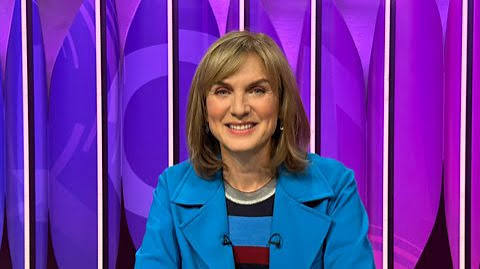
Presenter Fiona Bruce also pressed Braverman on whether she believed a non-white person could be English to which Braverman did not give a straightforward yes-or-no answer.
Braverman's position is particularly notable because she herself was born in London and has spent her life in Britain. She has Indian heritage through her parents and has previously spoken about her British identity. Having defected to nationalist, right-wing party Reform UK from the Conservatives in January of this year, Braverman has become even more vocal about her stance on national identity.
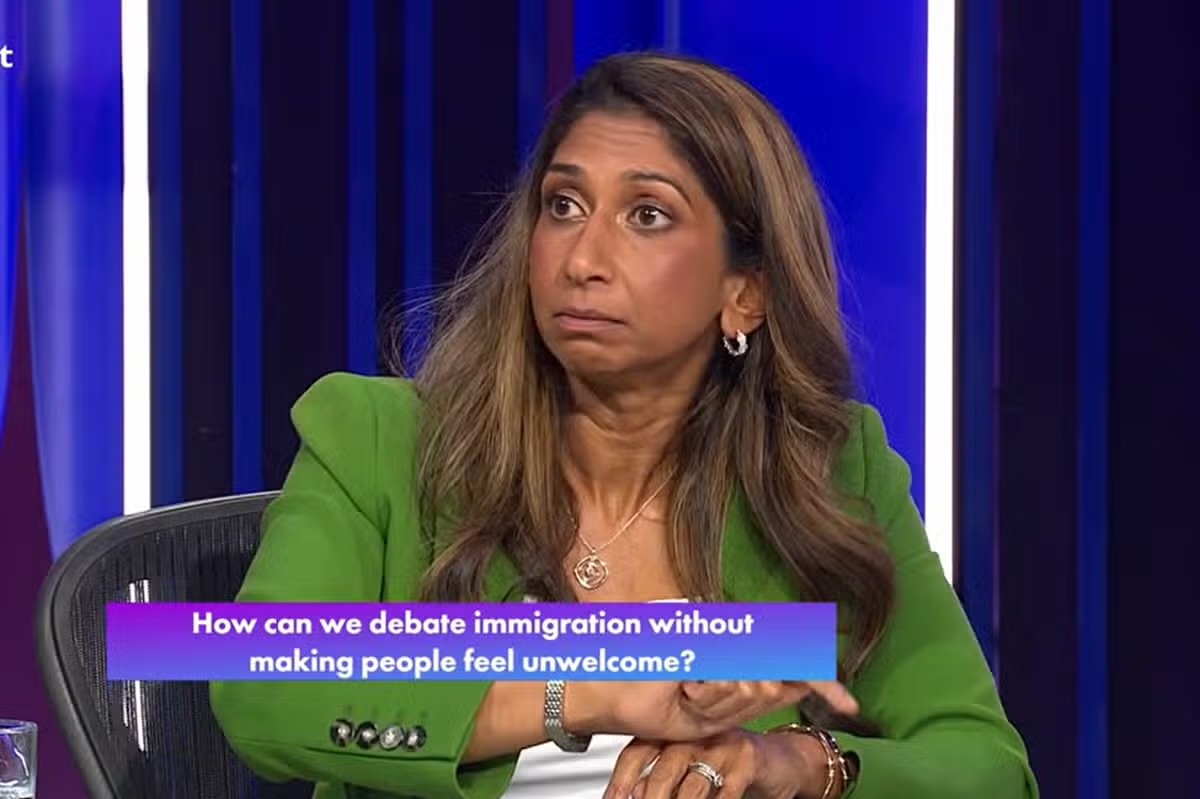
The argument is also part of an ongoing political discussion about national identity in Britain, which is often led by the Reform UK party. Questions about whether people from minority ethnic backgrounds can be British and English have increasingly featured in TV debates and online spaces such as X.
Former Prime Minister Rishi Sunak, who is also of Indian heritage and was born in Southampton, has previously described himself as both English and British, directly rejecting the idea that his ethnicity prevents him from having an English identity.
Polling cited by the British Future think tank has also indicated that many English people associate English identity with being born in England and identifying as English. A YouGov survey discussed by the organisation found broad support for those factors as markers of Englishness.
The controversy currently surrounding Braverman therefore extends beyond one television appearance. At its heart is a disagreement over whether Englishness should be understood primarily as a civic and cultural identity or whether ancestry plays a significant role.
The audience exchange demonstrated how personal the issue can become. For people who have been born and raised in England, being told that they are not English because of their ethnicity can be experienced as discrimination or a rejection of their identity.
Braverman's comments, which have now been shared thousands of times online, have added to an already highly-debated national conversation. The debate over what national identity actually means in modern England, and who gets to call themselves English, is likely to remain highly politically relevant even after Braverman’s backlash dies down.
.PNG)


%20(1).PNG)
.svg)
.svg)
.svg)