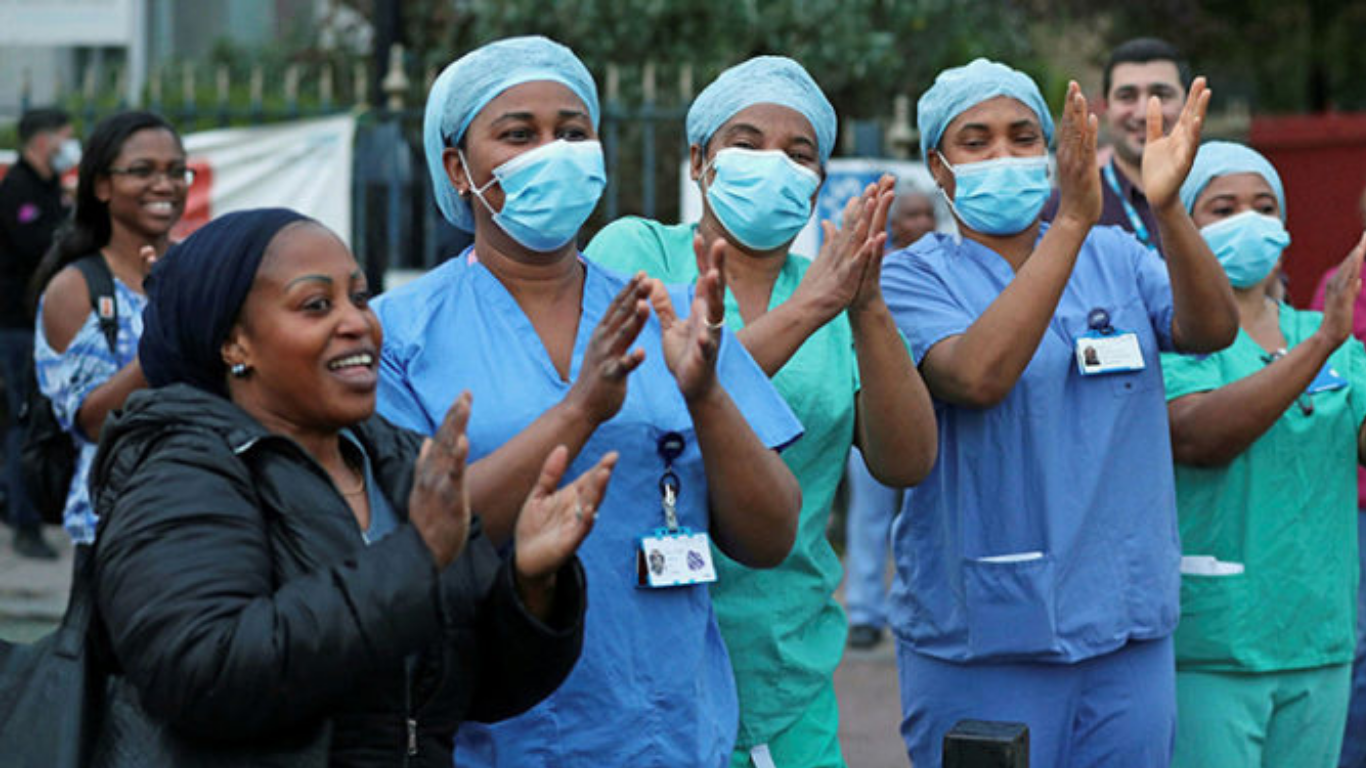

The National Health Service has often been described as one of Britain's greatest institutions. But behind every hospital ward, ambulance service, GP practice, operating theatre, laboratory, and community clinic is a workforce drawn from every corner of the world. The latest NHS workforce figures for April 2026 reveal just how international the health service has become.
While more than one million NHS employees identify as British, hundreds of thousands of others have travelled from across Europe, Africa, Asia, the Caribbean, Oceania, and the Americas to care for patients across the United Kingdom.
The numbers tell a remarkable story of global contribution.
The United Kingdom remains by far the largest nationality group, with 1,043,607 staff working across the NHS. However, the scale of international recruitment is evident in the figures that follow.
India ranks second with 78,840 NHS workers, making it the largest overseas nationality represented in the health service. Nigeria follows with 42,937 staff, while the Philippines contributes 33,629 healthcare professionals. Together, these three nations account for well over 150,000 NHS employees.
The top ten overseas nationalities also include Ireland (12,509), Poland (11,191), Ghana (9,908), Pakistan (9,204), Portugal (8,220), and Italy (7,577).
The figures highlight the NHS's deep connections with countries across the Commonwealth. Nations such as Zimbabwe (6,789), Kenya (2,469), Jamaica (2,460), South Africa (2,290), Bangladesh (2,239), and Uganda (920) continue to play an important role in supporting healthcare services throughout the UK.

European countries also maintain a strong presence. Beyond Poland, Portugal, and Italy, significant numbers of NHS staff come from Romania (6,060), Spain (4,988), Greece (3,321), Germany (2,492), Lithuania (1,963), France (1,947), and many other nations across the continent.
Meanwhile, healthcare professionals from across Asia make a substantial contribution. Alongside India, Pakistan, and the Philippines, the NHS workforce includes staff from Nepal (4,512), Sri Lanka (3,851), Malaysia (3,350), China (2,062), Hong Kong (1,619), Iran (1,381), Singapore (627), Japan (364), South Korea (220), and dozens of other countries.
What makes the figures particularly striking is their global reach. The NHS employs people from more than 180 nationalities, including staff from nations with populations measured in millions and others with only a handful of citizens working in Britain's healthcare system. From Australia (2,595) and New Zealand (779) to Fiji (66), Samoa (1), and even the Pitcairn Islands (1), the NHS truly reflects a worldwide workforce.
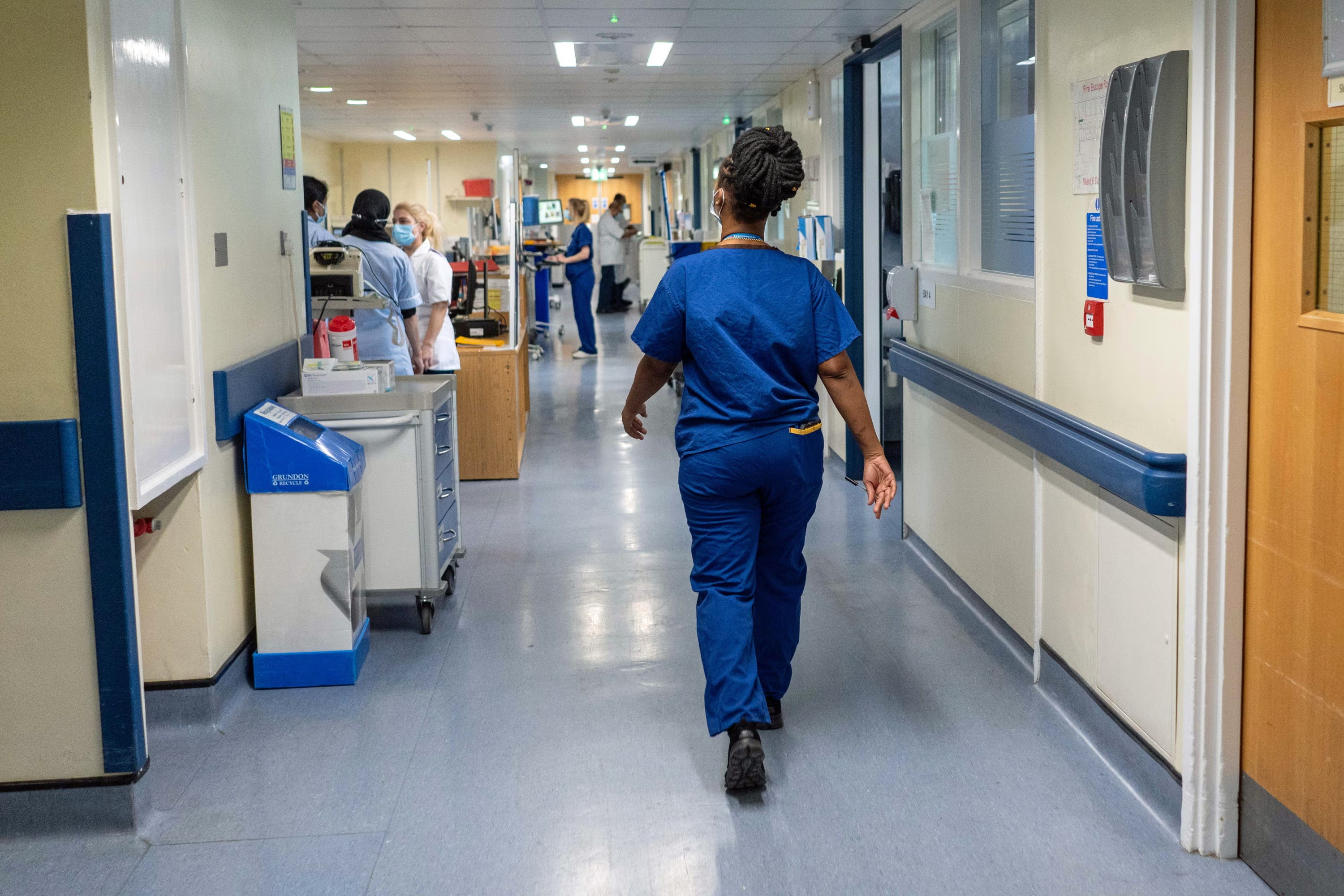
These numbers serve as a reminder that modern healthcare in Britain is a collective effort. Every day, doctors, nurses, healthcare assistants, therapists, pharmacists, scientists, porters, administrators, and support staff from across the globe work together to provide care for millions of patients.
Whether they were born in Birmingham, Mumbai, Lagos, Manila, Dublin, Accra, Warsaw, Harare, or hundreds of other places around the world, they share a common purpose: keeping the NHS running.
Where does your country rank on the list?
.png)


%20(1).png)
.png)
.png)
.svg)
.svg)
.svg)